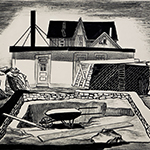
What happens when the place you call home refuses to recognize you?
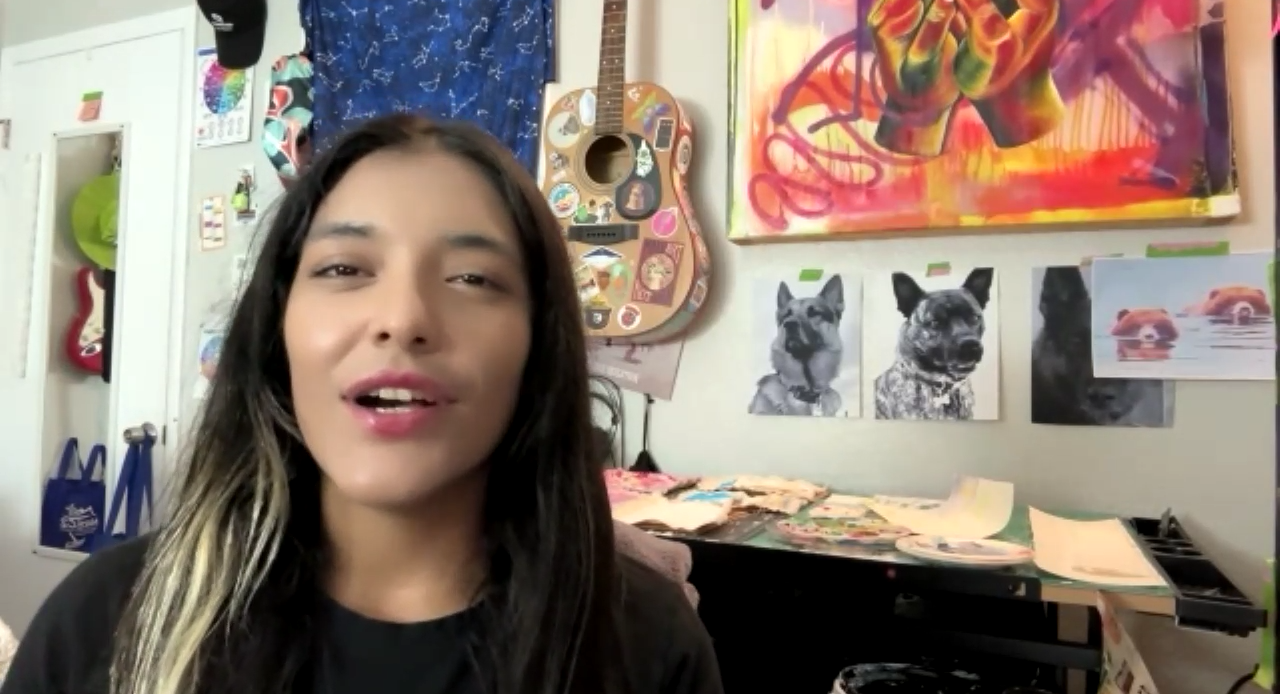
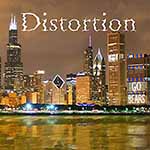
Jocelyne Garcia Ortiz reflects on Go Back Home (I Am Home?), a painting rooted in a childhood memory of finding her family's garage marked with the words "GO BACK HOME." Revisiting the experience years later, Garcia Ortiz considers how personal memory can illuminate broader questions of belonging, identity, and the everyday ways exclusion is lived.
In this artist talk, she discusses returning to a memory that remained largely unspoken, the relationship between realism and expressive gesture within the painting, and the significance of transforming a declaration into a question. As she reflects on silence, family, and the lingering effects of racism, Garcia Ortiz reveals how painting can become a way of making visible experiences that are often carried privately.
Her reflections remind us that belonging is not determined by rhetoric or perception, but by the lives people build, the communities they sustain, and the histories they inhabit.
What does it mean to care for an idea?
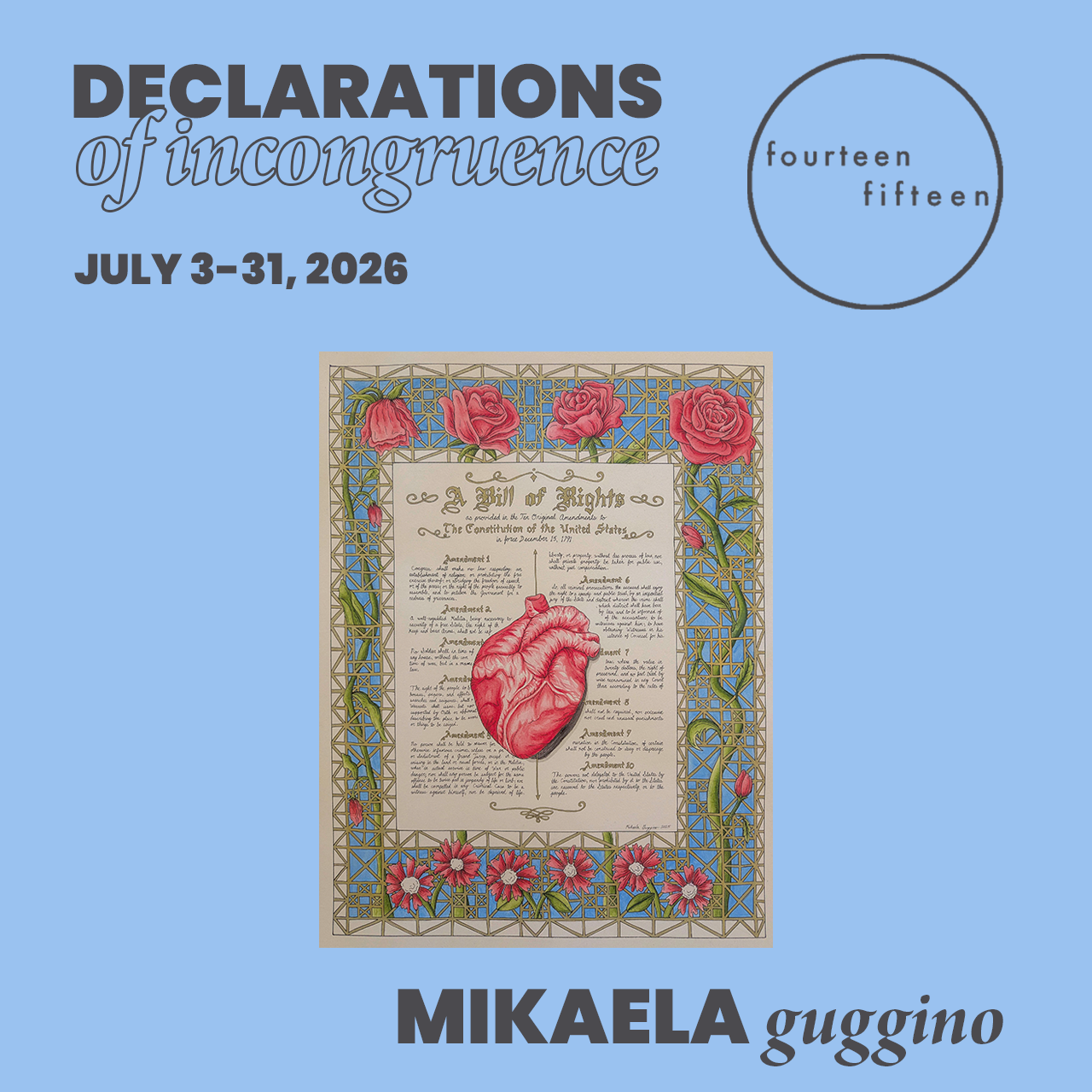
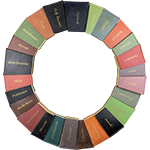
Mikaela Guggino reflects on Bill of Rights, a painting that reimagines one of America's foundational documents through the visual language of the illuminated manuscript. Blending historical forms with contemporary concerns, the work considers how the principles embedded in the Constitution depend not on permanence alone, but on continual attention, interpretation, and collective responsibility.
Guggino discusses the symbolism of the anatomical heart, flowering forms, and gilded architectural patterns that weave through the composition, as well as her interest in the ways beauty can invite sustained engagement with difficult questions. She reflects on the relationship between art and civic life, and on how visual language can encourage viewers to pause, look closely, and reconsider ideas that often become familiar through repetition.
Rather than treating constitutional rights as settled or self-sustaining, Guggino's reflections return to a simple but urgent proposition: the values a society claims to uphold endure only through the care, participation, and commitment of the people who choose to live them.
How can ritual carry history without becoming trapped by it?
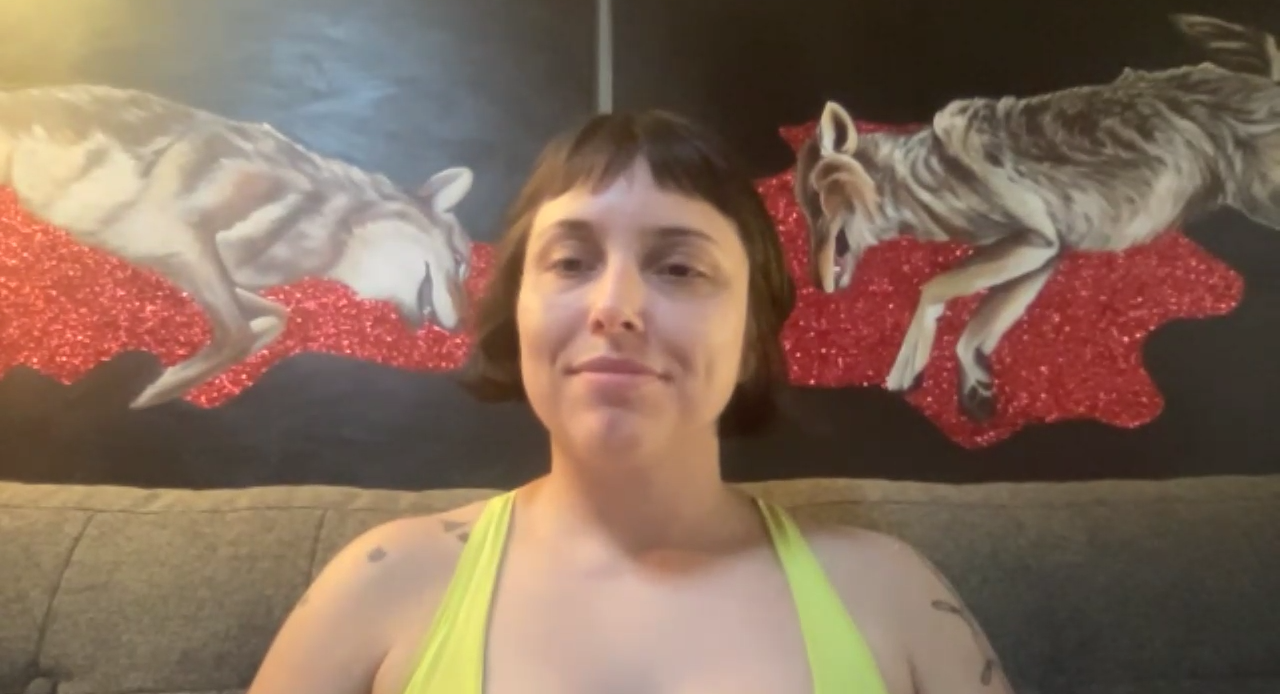
For Rica Maestas, cleansing is neither symbolic nor metaphorical. It is an embodied act of remembrance, resistance, and renewal. In Raised Voices, Maestas reflects on Father's Day performance with yucca flowers, a work that draws upon ritual, performance, and the landscape of the Southwest to consider the enduring legacies of colonialism and the possibilities of healing through embodied practice.
Using the yucca flower—a plant long associated with cleansing and survival in the desert—as both material and symbol, Maestas discusses the relationships between body, place, memory, and resistance that shape the work. She speaks about performance as a means of engaging history as something lived rather than distant, and considers how acts of washing, offering, and renewal become ways of carrying cultural memory while imagining other futures.
Throughout the talk, Maestas reflects on ritual not as a return to the past, but as an ongoing practice of care, resilience, and transformation. Her insights offer a deeper understanding of the histories, symbolism, and intentions that inform Father's Day performance with yucca flowers, extending the conversations at the heart of Declarations of Incongruence through the artist's own voice.
What happens when a symbol we inherit no longer reflects the values we attach to it?
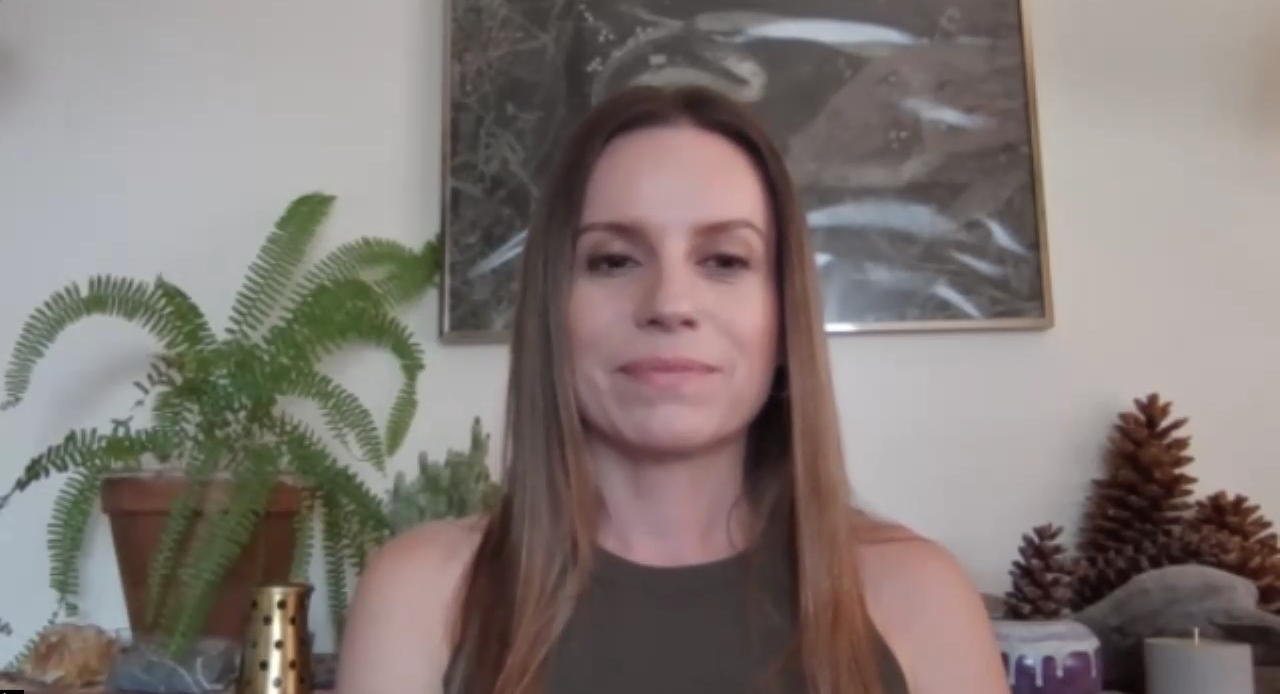
Jessica Metz reflects on King Baby, a work that transforms the American flag into a site of questioning, contradiction, and confrontation. Through alteration of one of the nation's most recognizable symbols, Metz examines how meaning is constructed, contested, and reshaped through the forces of power, identity, and collective belief.
In this artist talk, Metz discusses her decision to work with the flag, the significance of its inversion, gold leaf surface, and text, and the ways these changes shift the symbol's associations. She reflects on the relationship between national imagery and the values projected onto it, as well as the tension between critiquing a symbol and acknowledging its continued significance.
By turning a familiar emblem into something simultaneously precious, unstable, and unsettling, King Baby asks viewers to consider not only what symbols represent, but how those meanings are created—and what responsibilities accompany the act of creating them.
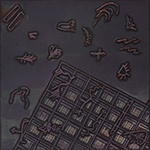
What happens when writing remains visible but meaning refuses to appear?
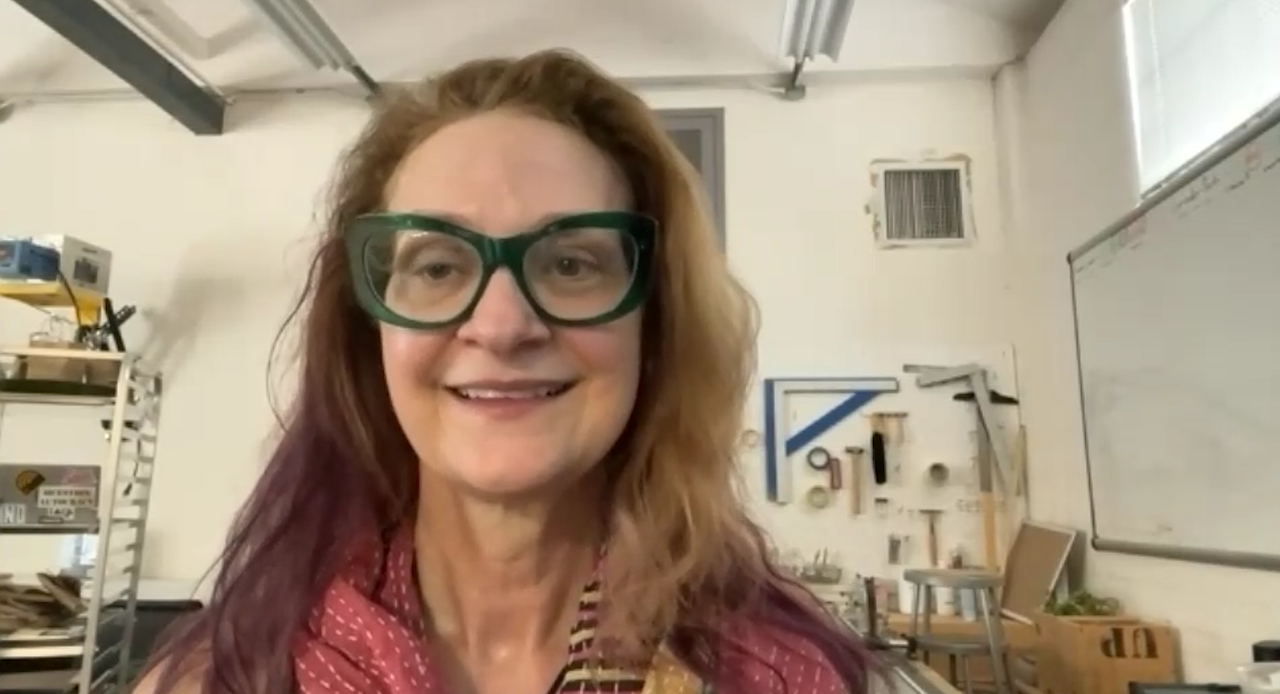
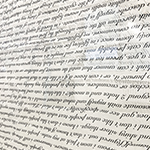
Brooke Redux reflects on Legibility, a glass installation that resembles handwritten text while resisting every attempt to be read. Created through the process of vitrigraphy, the work preserves the visual rhythms of language without conveying semantic meaning, inviting viewers to confront their own expectations about communication, authority, and interpretation.
Redux discusses her interest in asemic writing and the productive uncertainty it creates, exploring how meaning emerges not only from words themselves but also from the forms through which authority is presented. She considers the physical process of drawing with molten glass, the tension between fragility and permanence, and the ways institutional and political texts derive power through both appearance and interpretation.
As Legibility shifts attention from what a text says to how we seek to understand it, Redux's reflections deepen the work's engagement with the promises, contradictions, and ambiguities that resonate throughout Declarations of Incongruence.
How do we navigate a landscape that refuses to stay fixed?
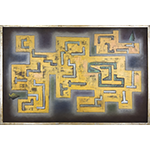
Chandler Wigton reflects on Exclusion Zone, a work that transforms found census maps into an unstable terrain where geography, abstraction, and memory converge. By stripping away place names while preserving the structures that organize them, the work invites viewers to reconsider the systems through which land, identity, and power are defined.
Wigton discusses his process of working with found materials, the shifting relationship between abstraction and recognition, and the ways maps can both reveal and conceal the realities they describe. He reflects on the significance of boundaries, classification, and exclusion, as well as the influence of New Mexico's landscape and the proximity of the Trinity Test Site on the work's development.
Rather than offering a single point of orientation, Exclusion Zone embraces uncertainty, encouraging viewers to move through the work as they might an unfamiliar terrain—observing, questioning, and discovering new relationships with each encounter.
.jpg)