In order to see a photograph well, it is best to look away and close your eyes.
—Roland Barthes, French literary theorist and critic, Camera Lucida (1980)
Photography has long been understood as a way of bringing something distant into view. The stereograph intensified this promise. By presenting two slightly different photographs to the eyes, stereoscopic viewing produces an illusion of spatial depth: two partial views become one apparently continuous, three-dimensional world. In the late nineteenth and early twentieth centuries, the Keystone View Company developed this technology into a mass medium for education, entertainment, and “virtual travel.”
Keystone’s Tour of the World emerged during a period when geography education and armchair tourism were popular in the United States. Stereographs were marketed as a way to bring foreign places into the home and classroom, allowing viewers to travel without traveling. The cards were numbered, geographically organized, sequenced, and accompanied by explanatory text. Together, image and caption constructed a guided experience of the world: a place could be seen, named, described, and understood from a distance.
By 1905, Keystone was the world's largest stereographic company. Its photographers worked across the world, while the company acquired the negatives of nearly all of its competitors between 1915 and 1921, eventually accumulating millions of stereoscopic negatives. Tour of the World was not simply a collection of photographs, but an organized system for selecting, arranging, describing, and circulating representations of distant people and places.
English art critic and writer John Berger wrote that “a photograph, whilst recording what has been seen, always and by its nature refers to what is not seen.” The stereograph makes this tension particularly visible. Its illusion of presence depends upon two partial views, captured from slightly different horizontal positions approximately the distance between human eyes. Each view contains information the other does not. Their difference produces depth, yet successful stereoscopic viewing causes that difference to disappear from attention. Two photographs become one coherent space.
difference MAP begins with that contradiction: what does it mean that depth is constructed through difference?
Stereographs offered manufactured depth: an extraordinarily convincing sense of spatial proximity while maintaining profound social distance. A viewer could experience the apparent presence of a landscape, monument, or person without encountering the sounds, smells, textures, relationships, and histories that constitute a place. The technology did not cause colonial looking, but it became extraordinarily compatible with imperial spectatorship, helping produce the feeling of knowing without relation and possessing without accountability.
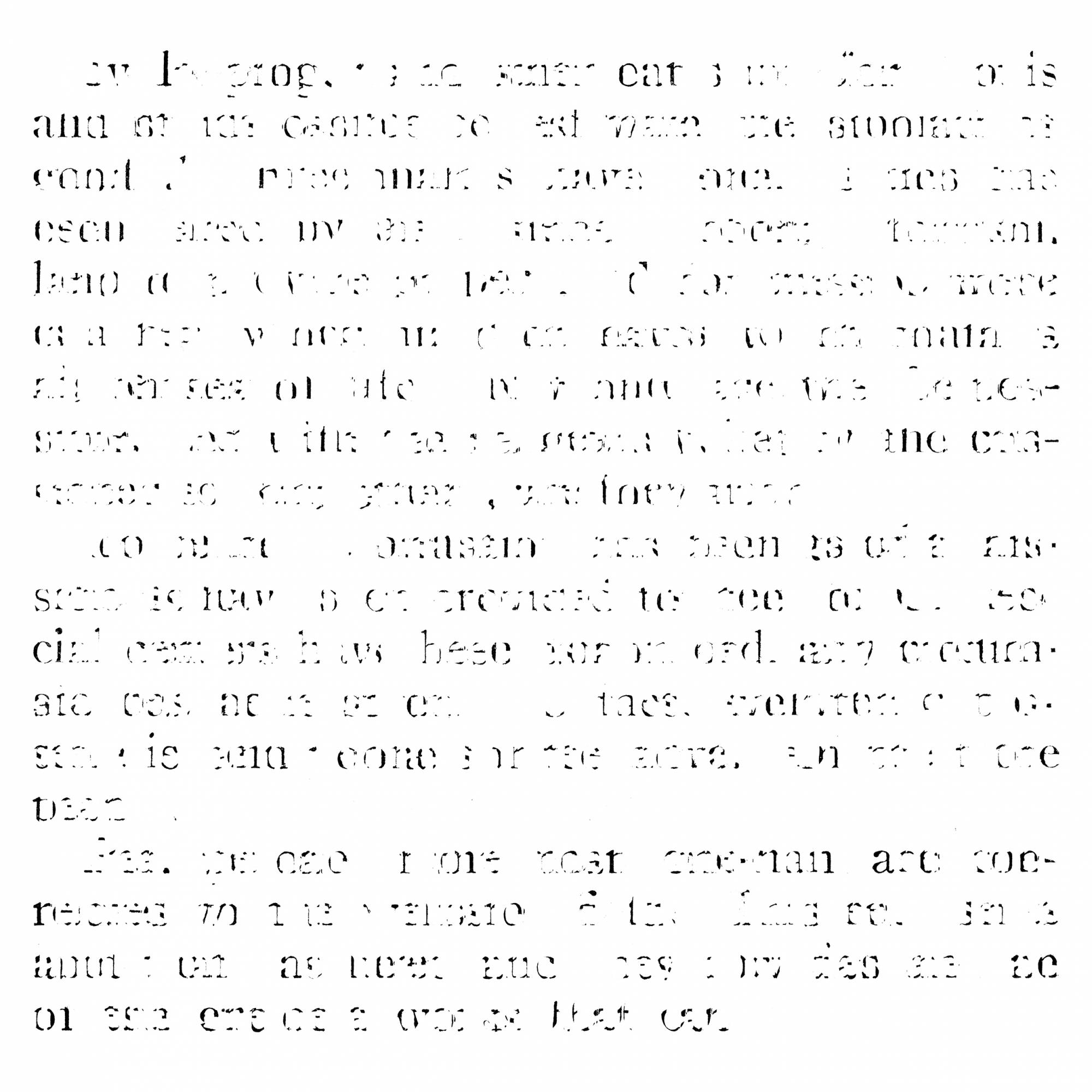
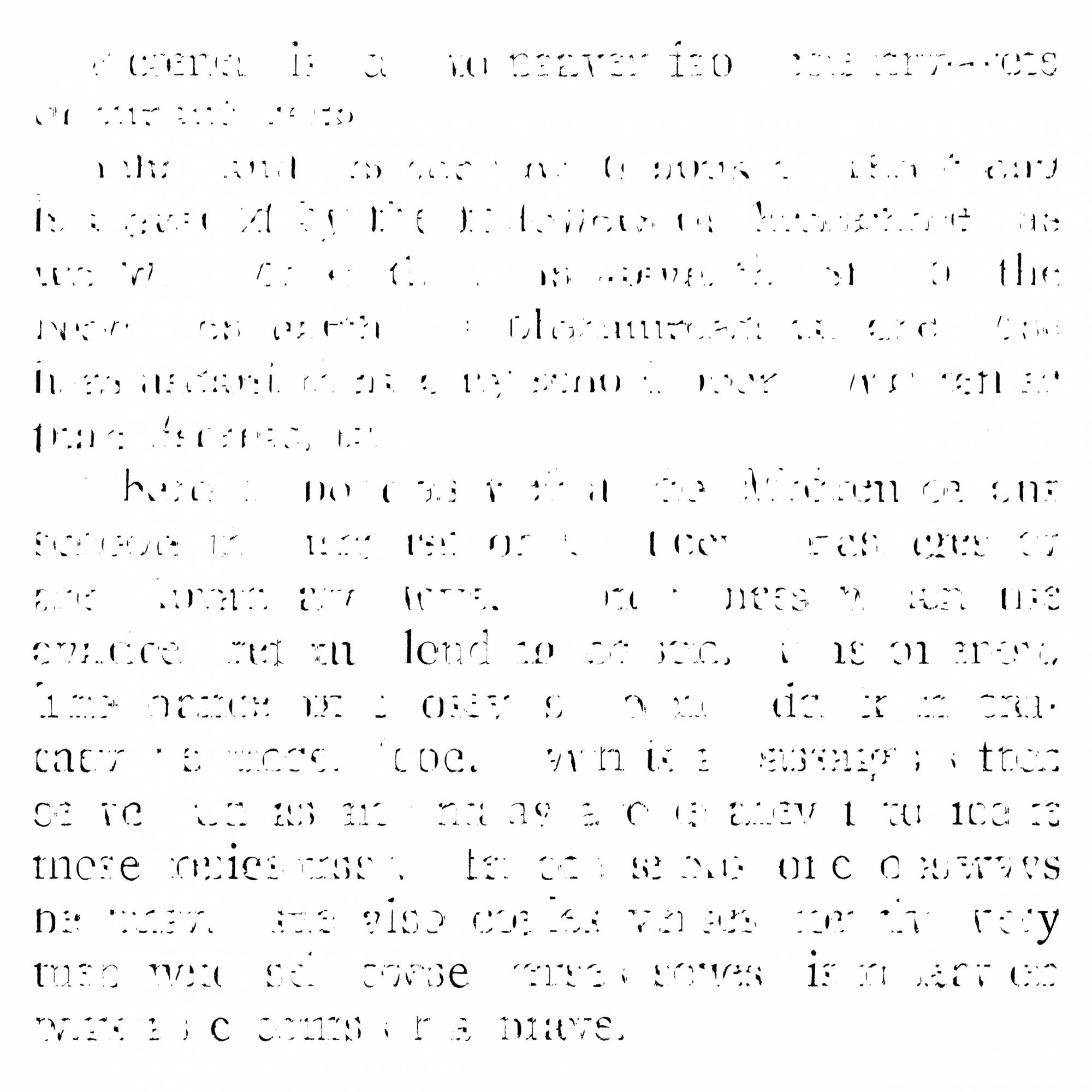
Tour of the World extended this process through language. The photograph presented a place; the text on its reverse supplied an account of what that place meant. The two columns of text made the narrative easier to read, while the stereoscopic pair made the image easier to inhabit. The apparatus removed friction between looking and understanding.
As American visual culture theorist Nicholas Mirzoeff wrote, “the authority of the visualizer” emerges through the ability to assemble a visualization of something too substantial for any one person to see. Tour of the World assembled fragments into a world. Its coherence carried authority.
This is also the work of the archive: not simply preserving what exists, but producing relationships through selection, classification, sequencing, description, and exclusion. As Dutch cultural theorist and curator Mieke Bal has written, framing gives images a history connected to the institutions that produce them and the historical positions of the viewers they address. Within the stereographic archive, people could become types, landscapes could become scenery, and complex histories could become a sequence that could be toured from home.
difference MAP intervenes in that sequence.
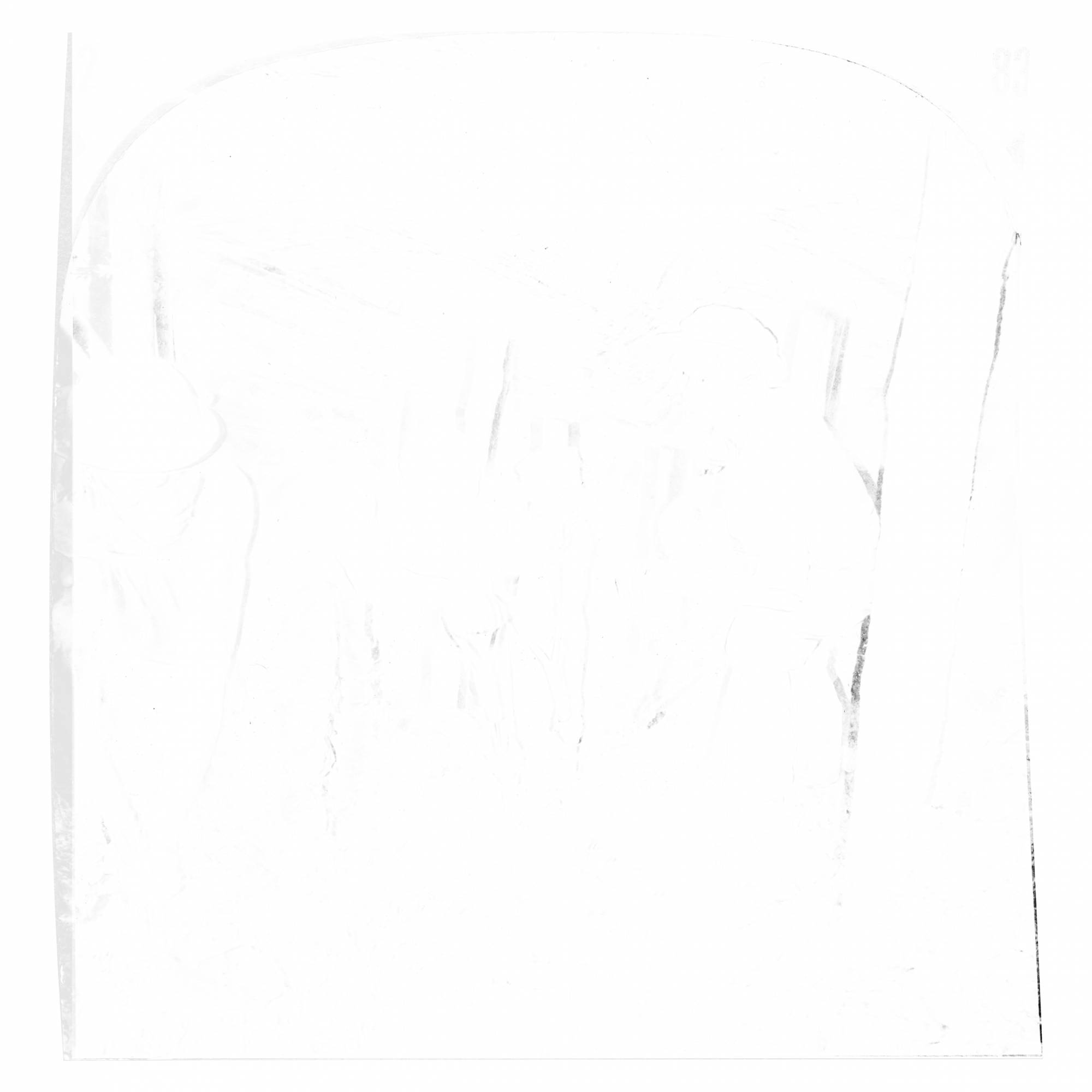
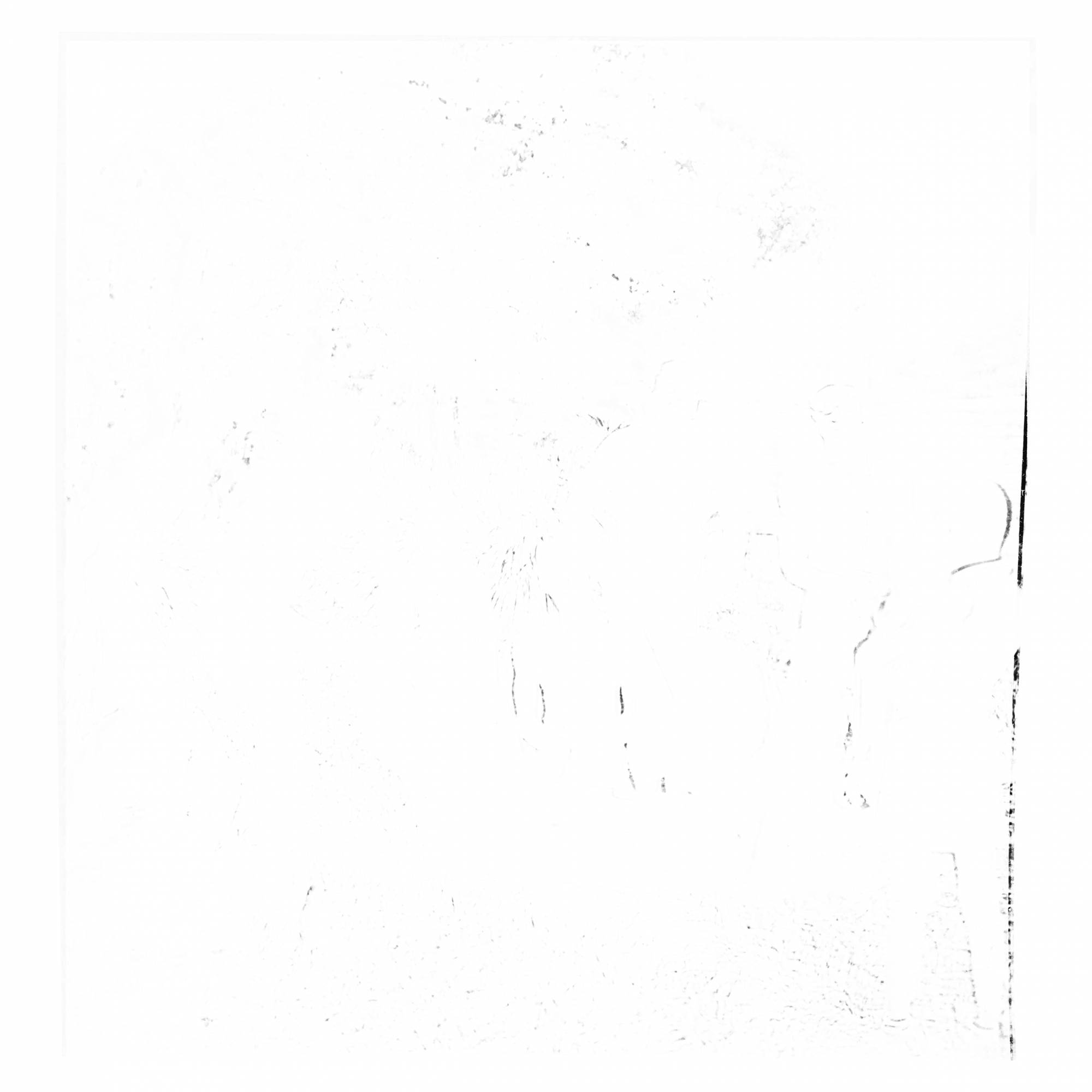
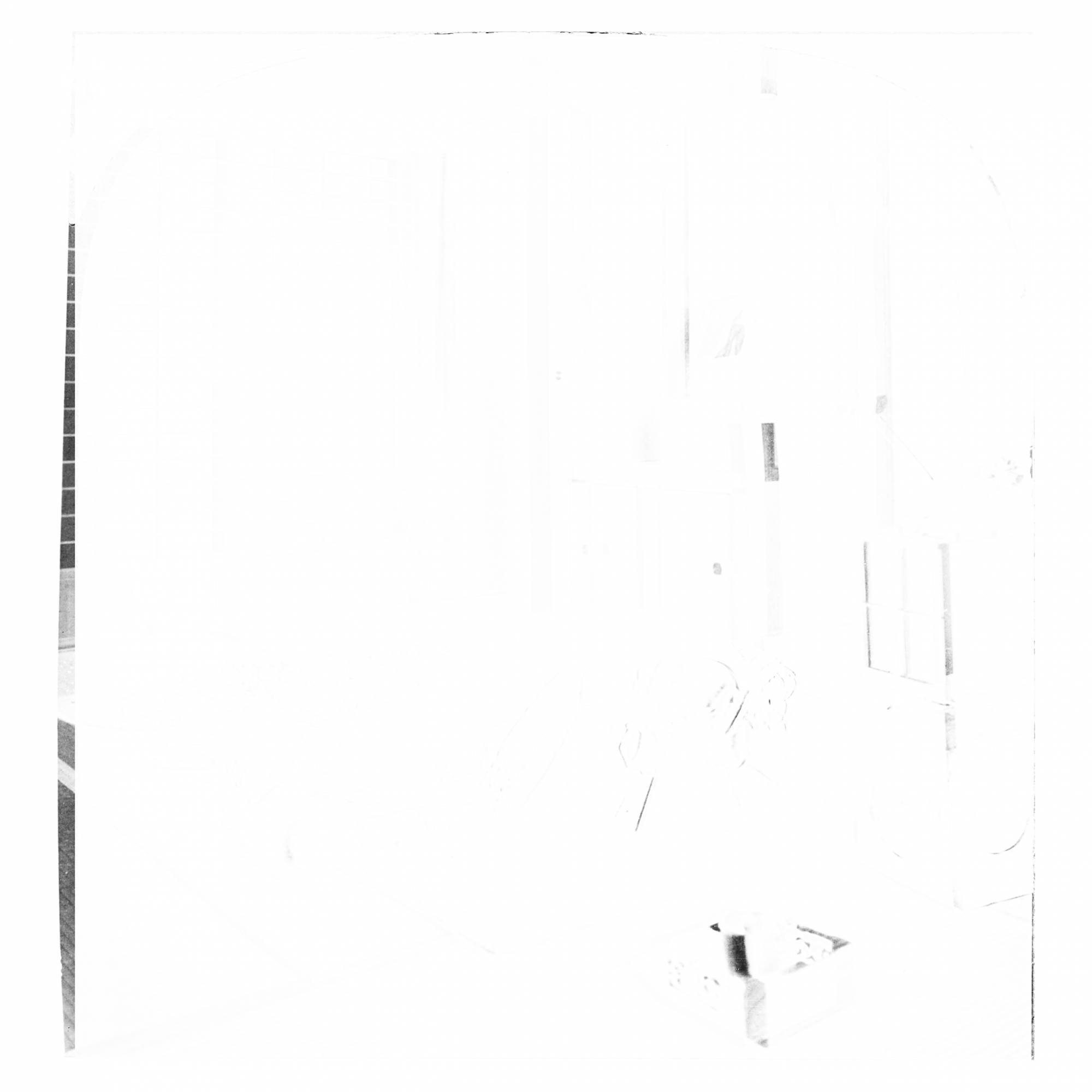
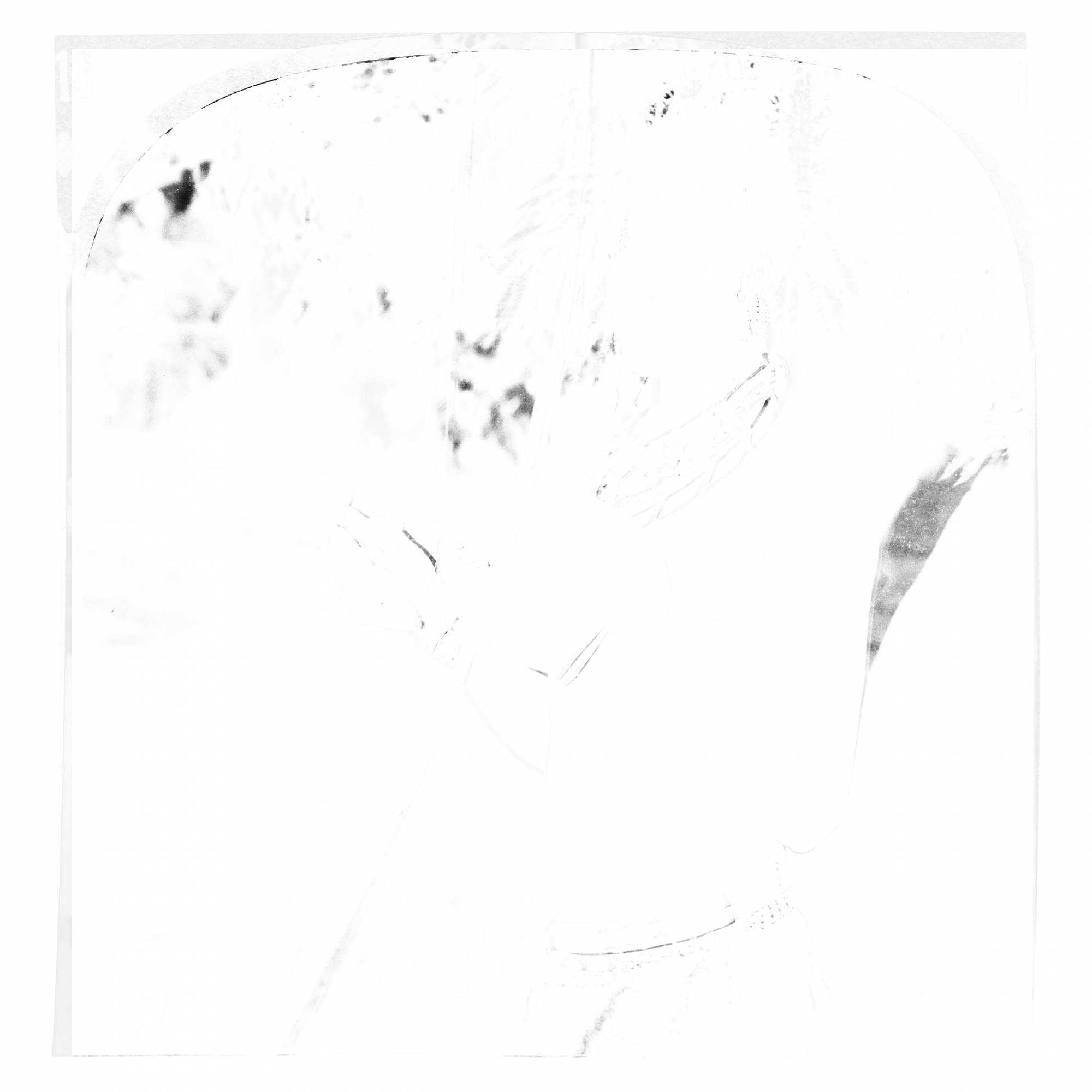
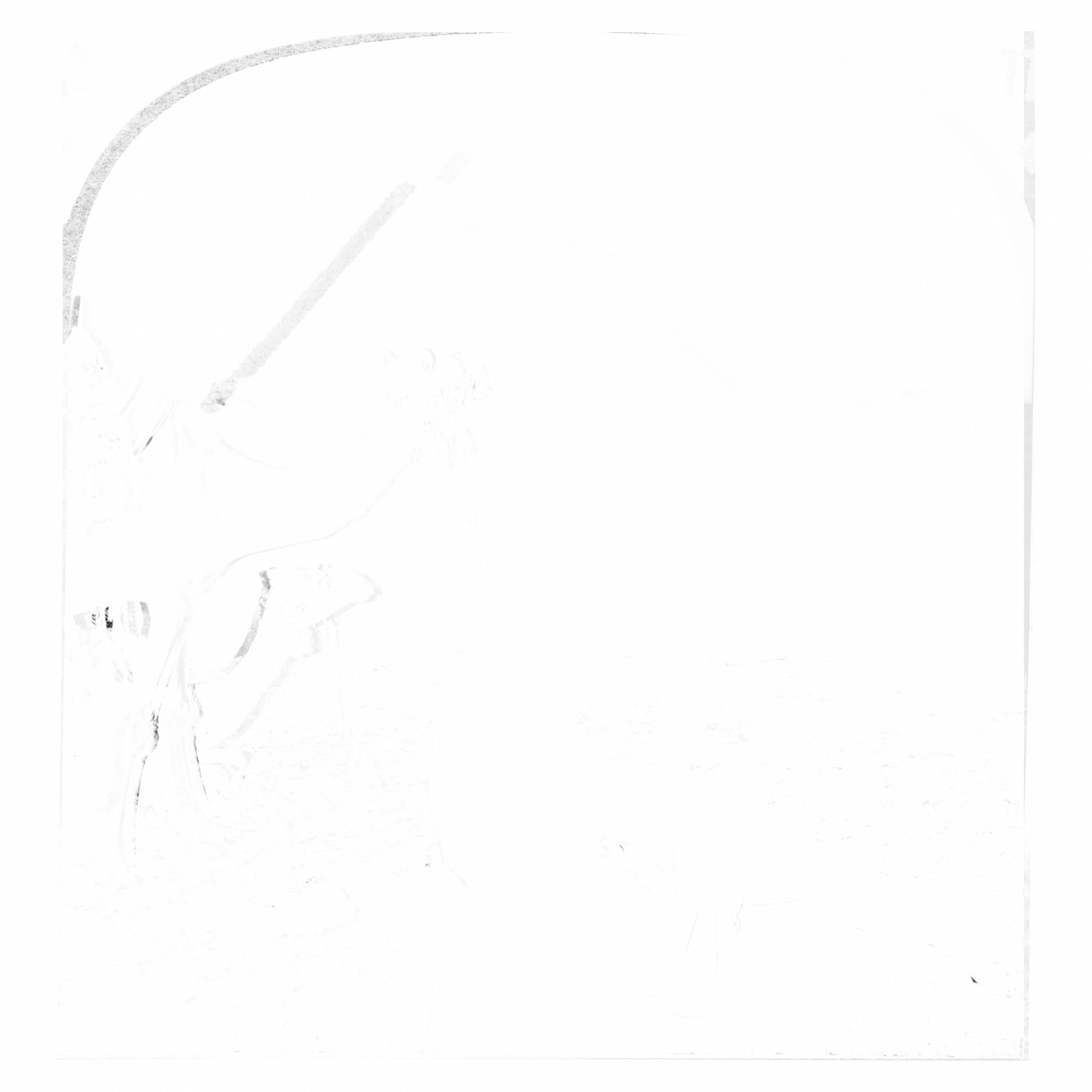
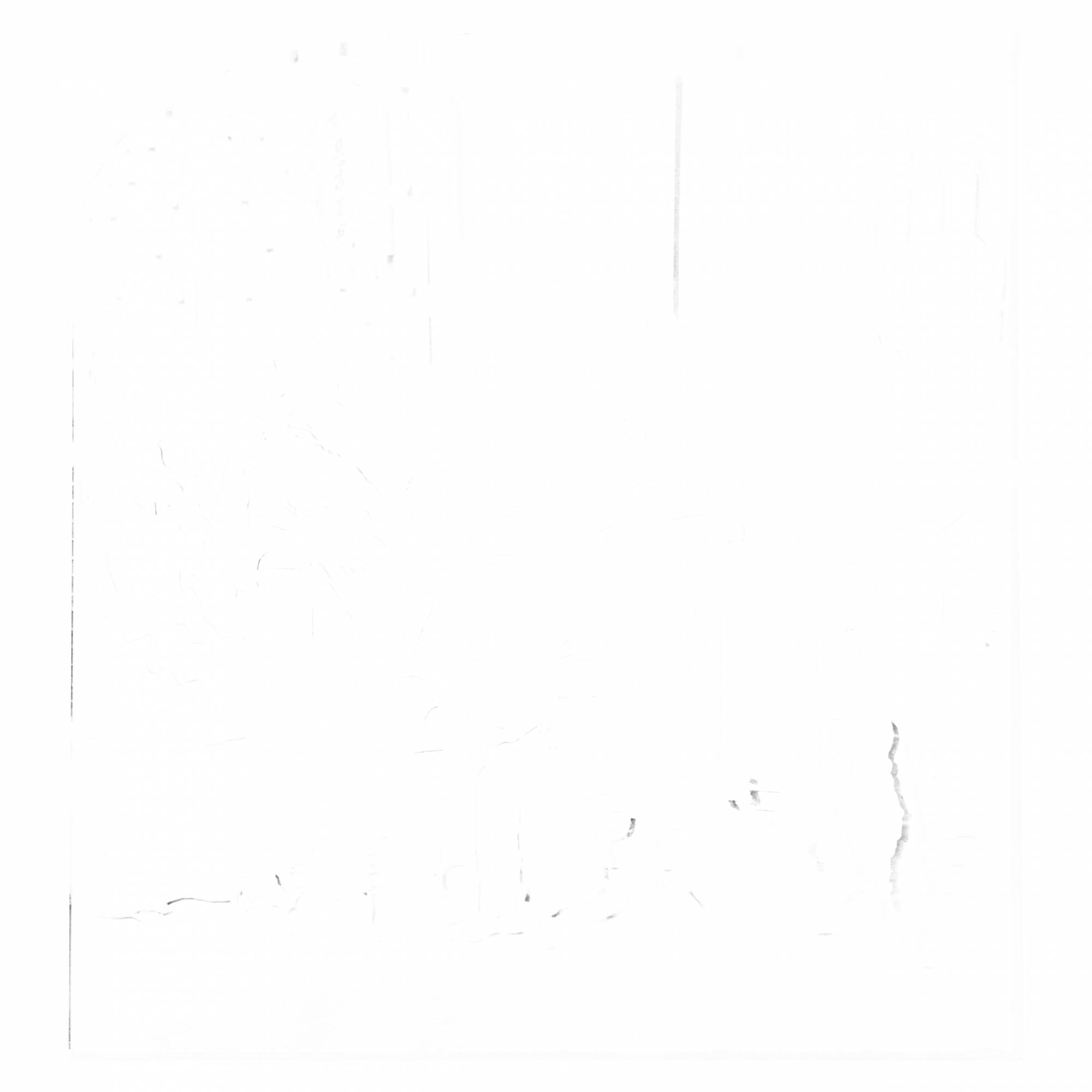
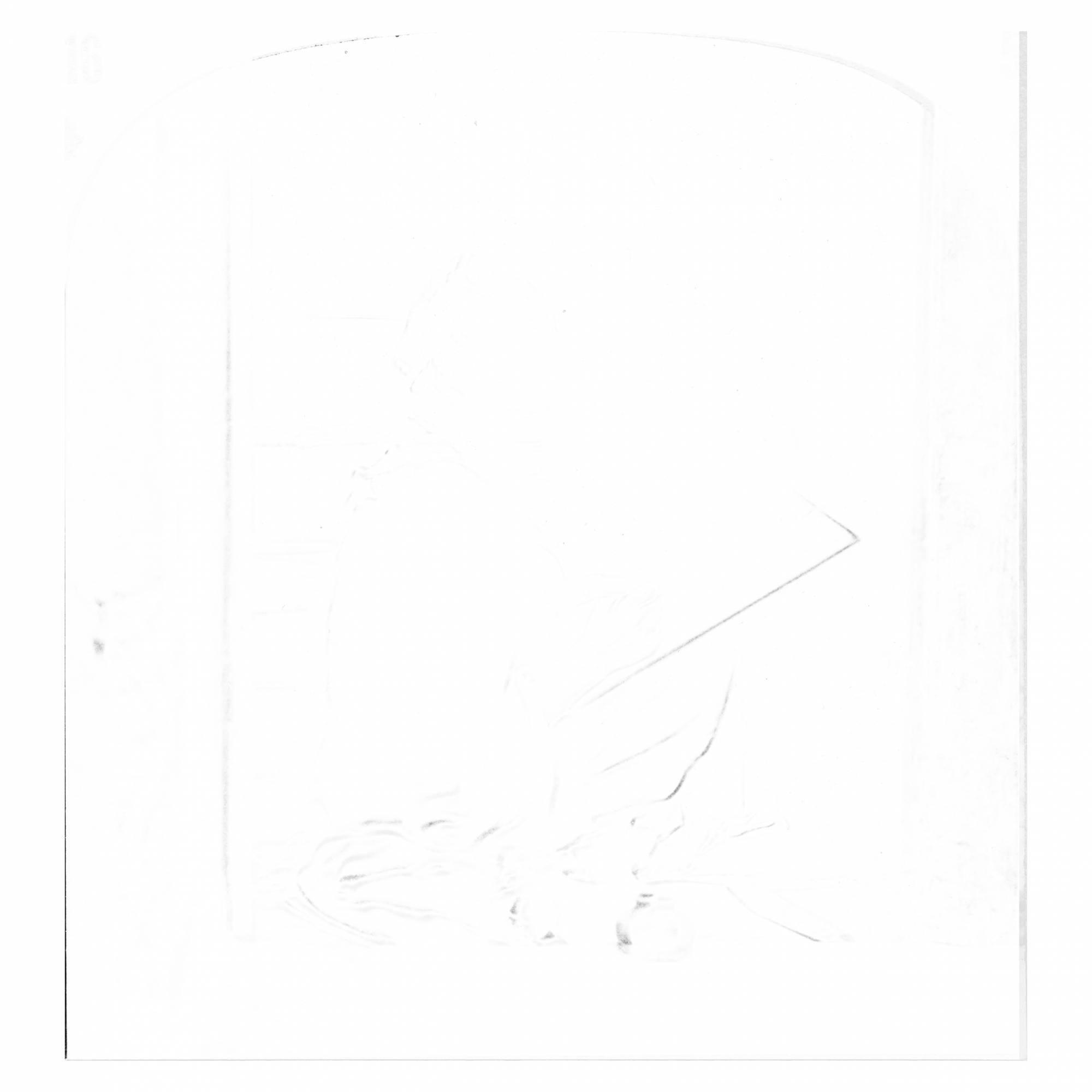
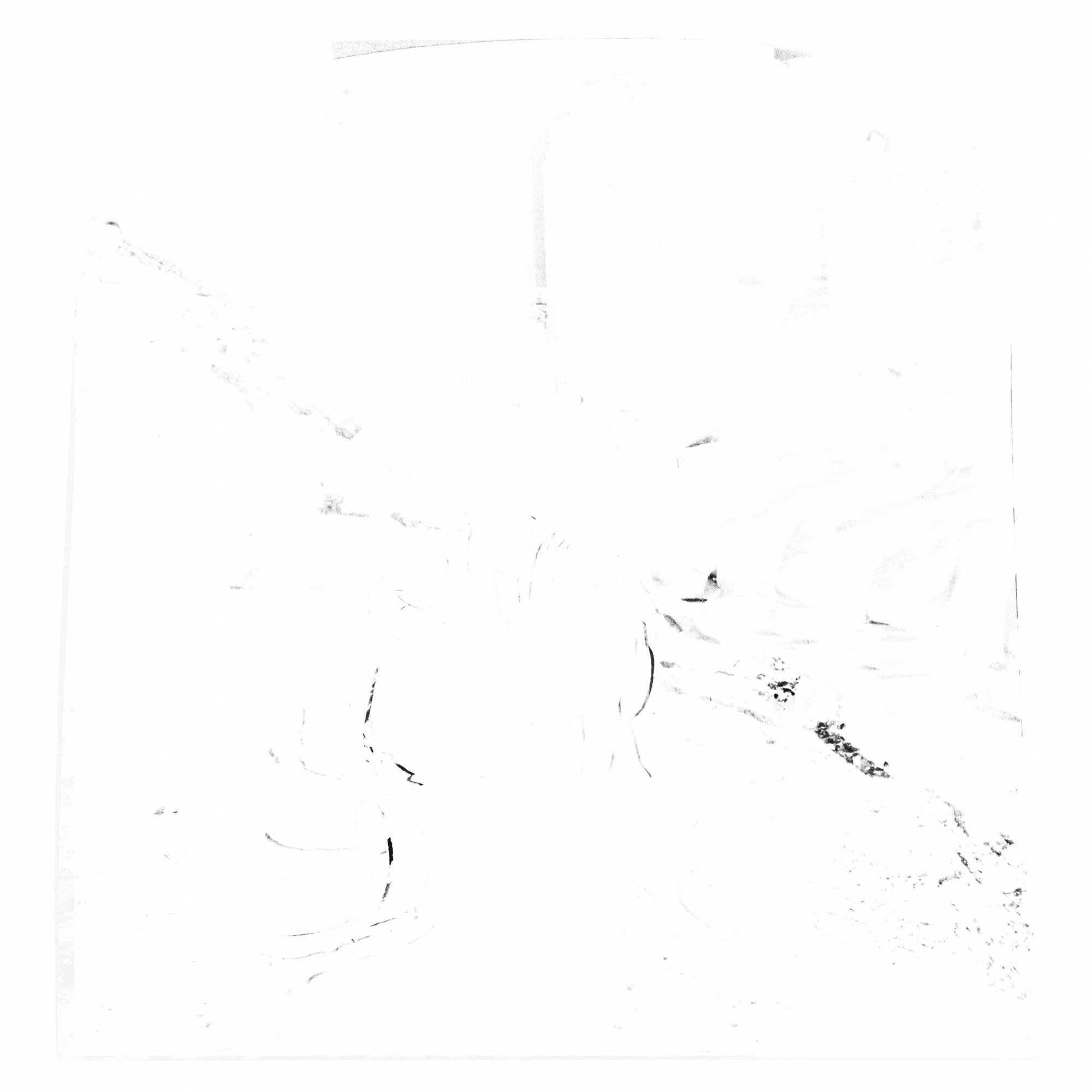
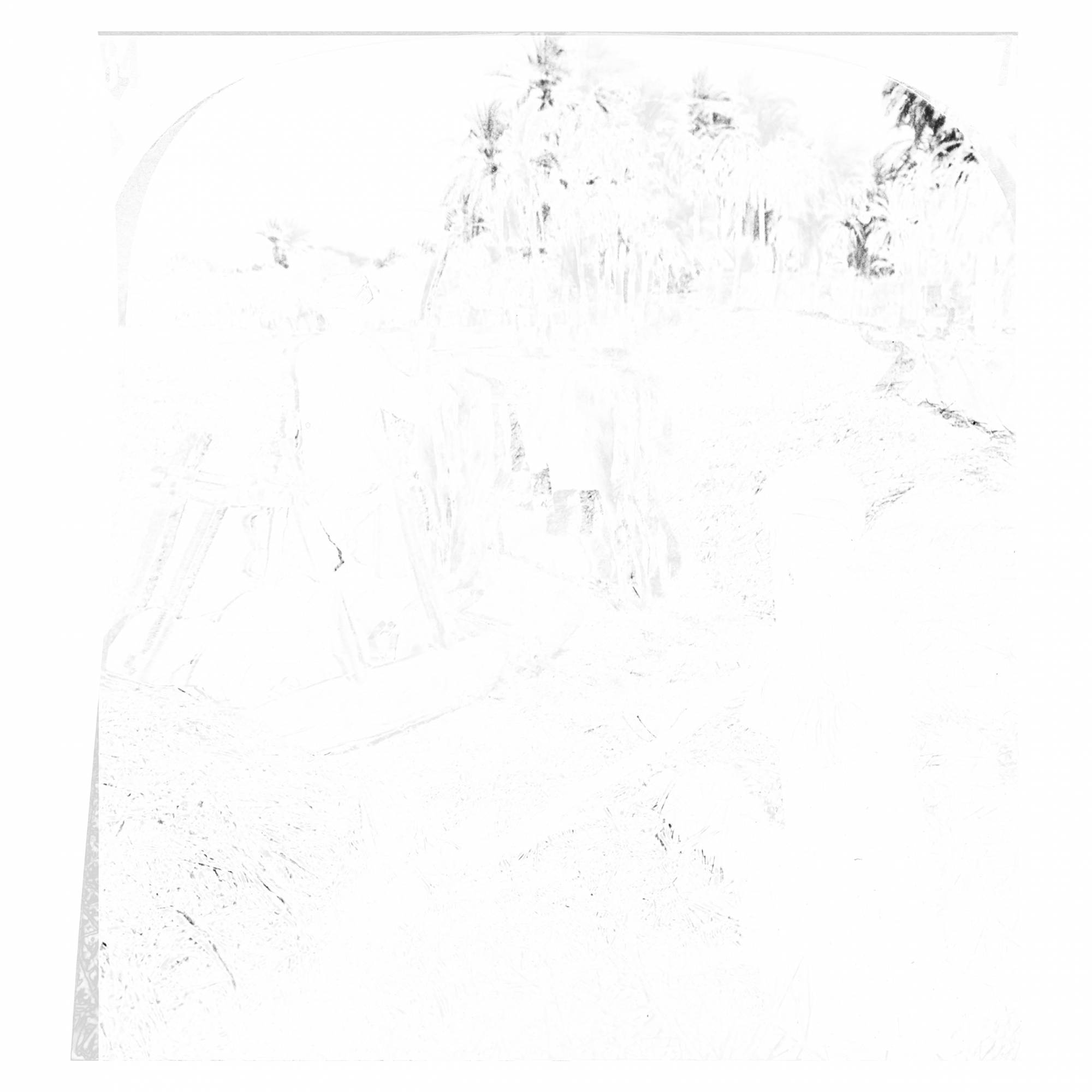
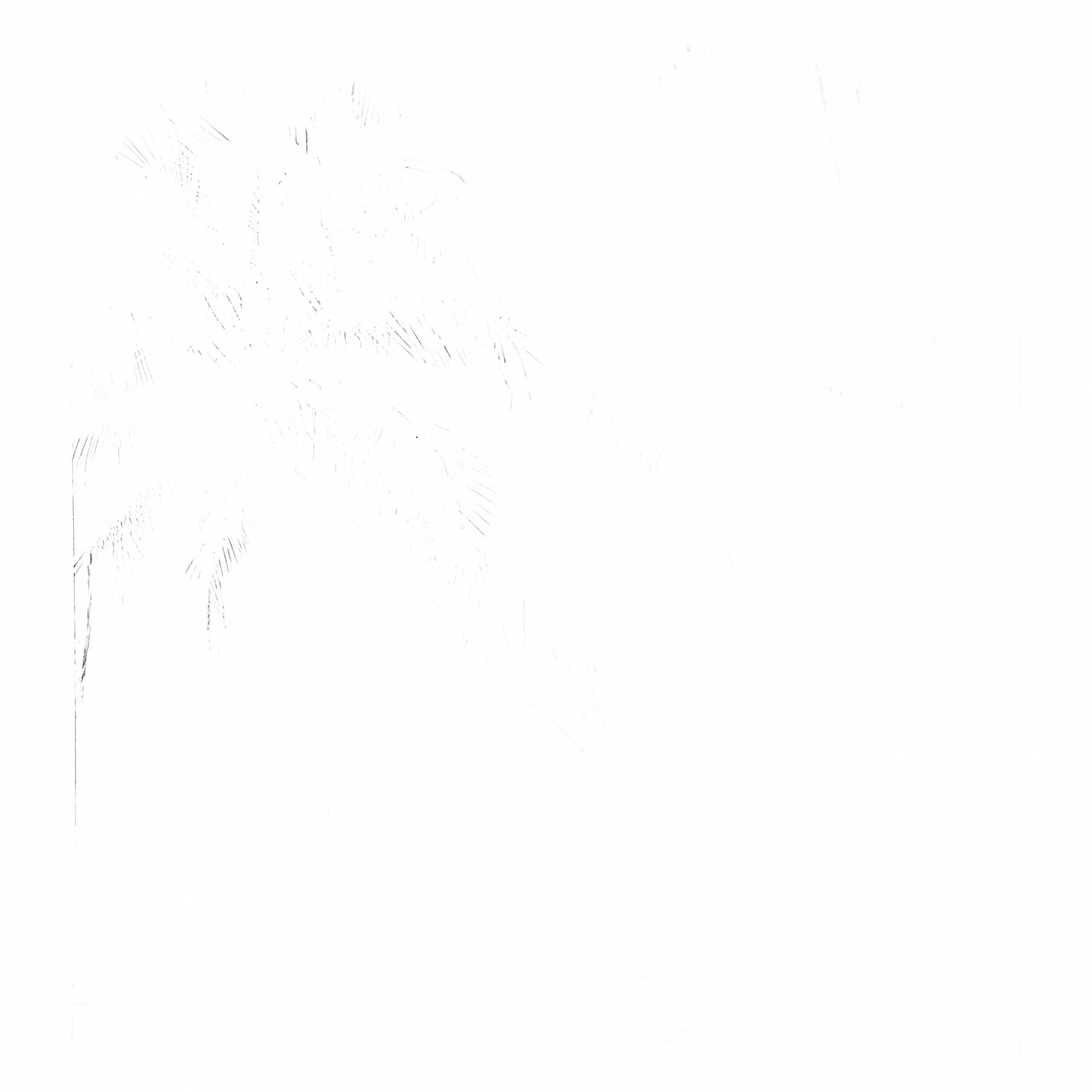
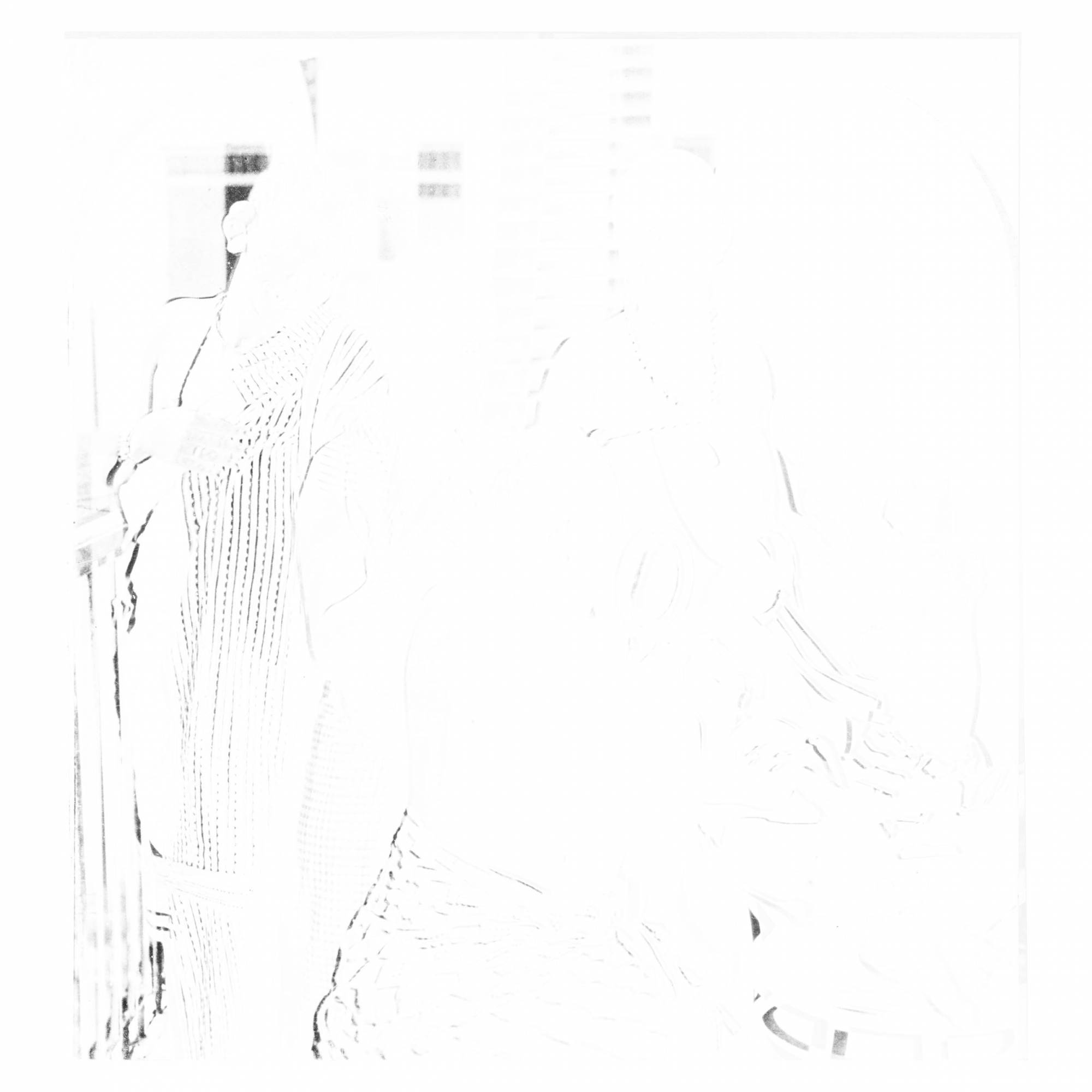
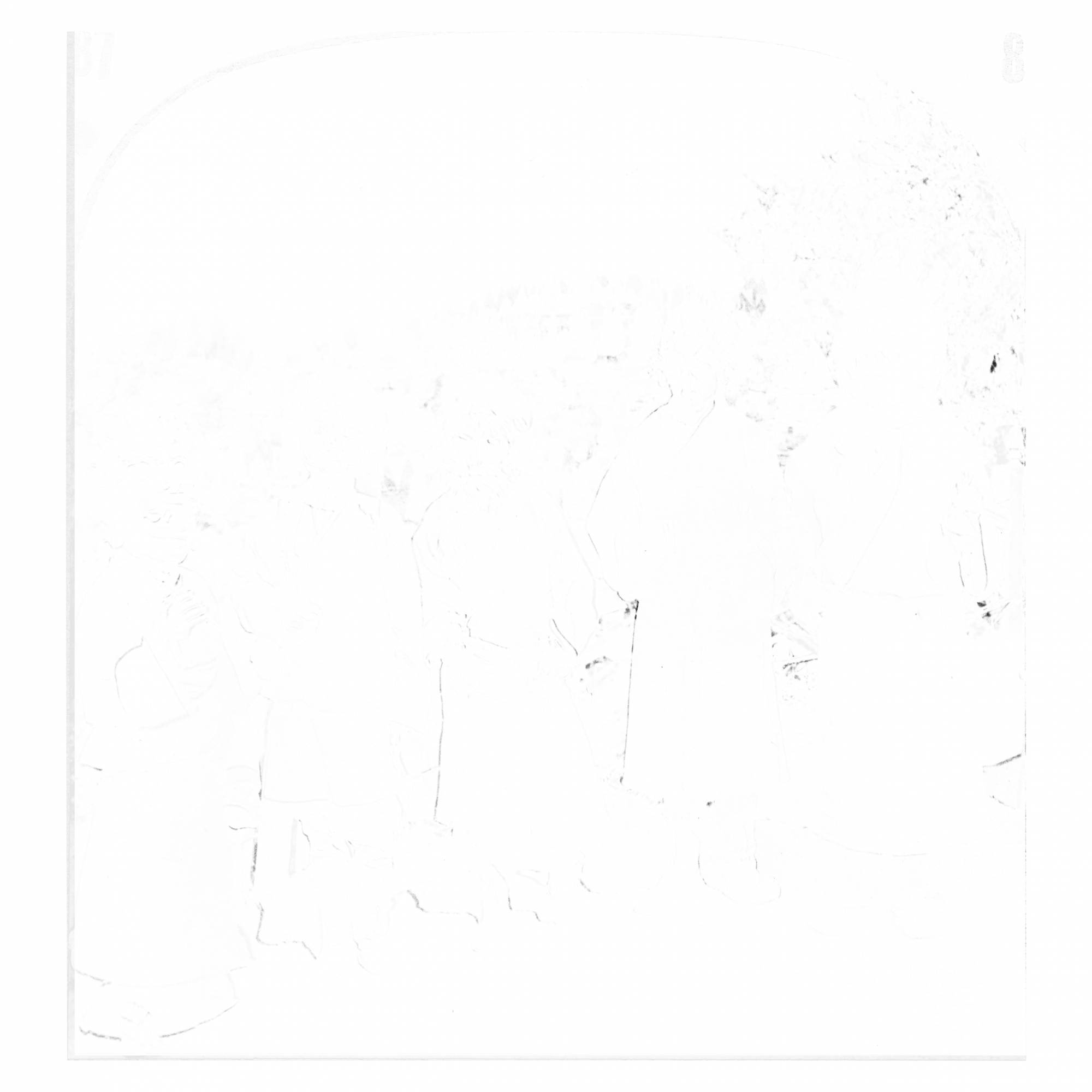
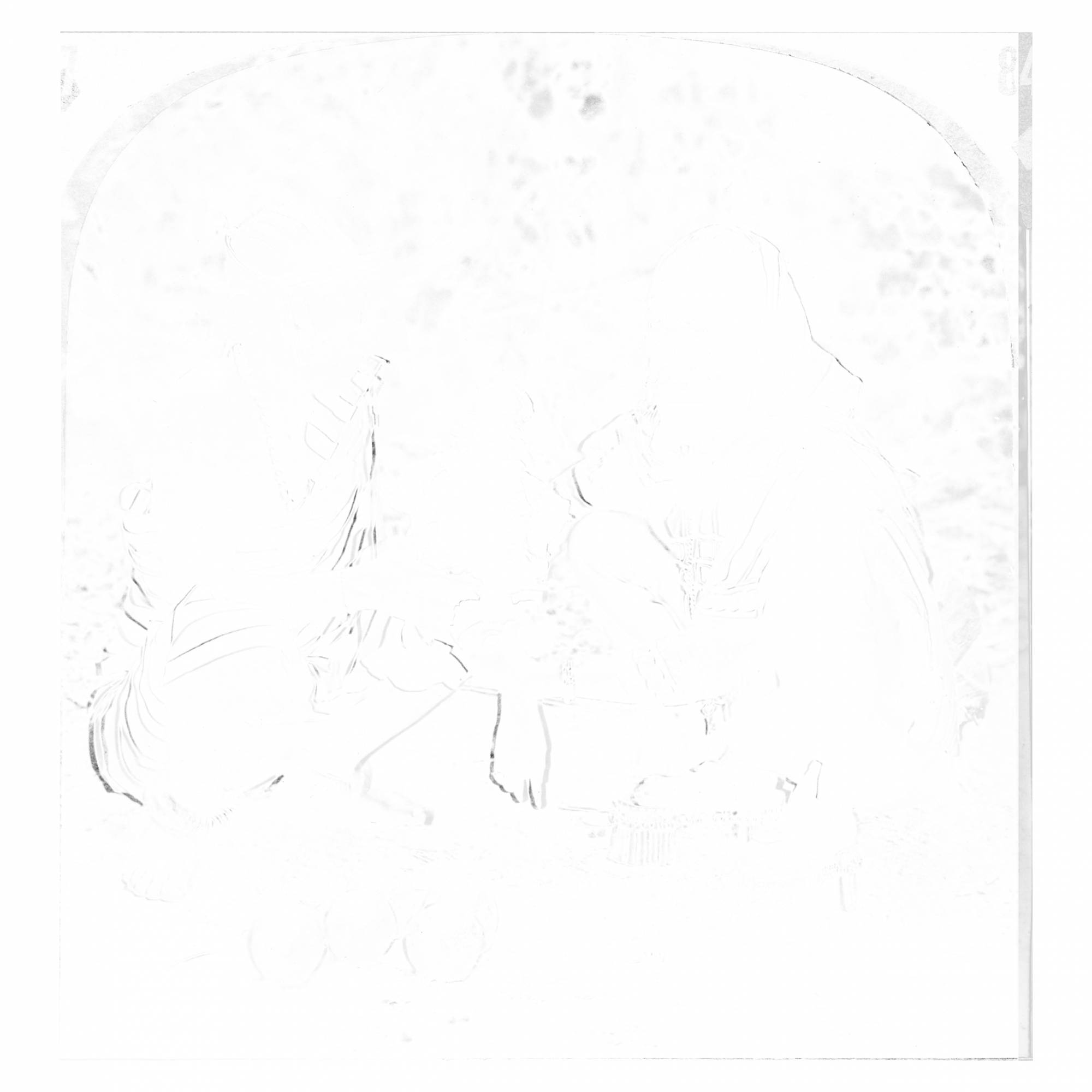
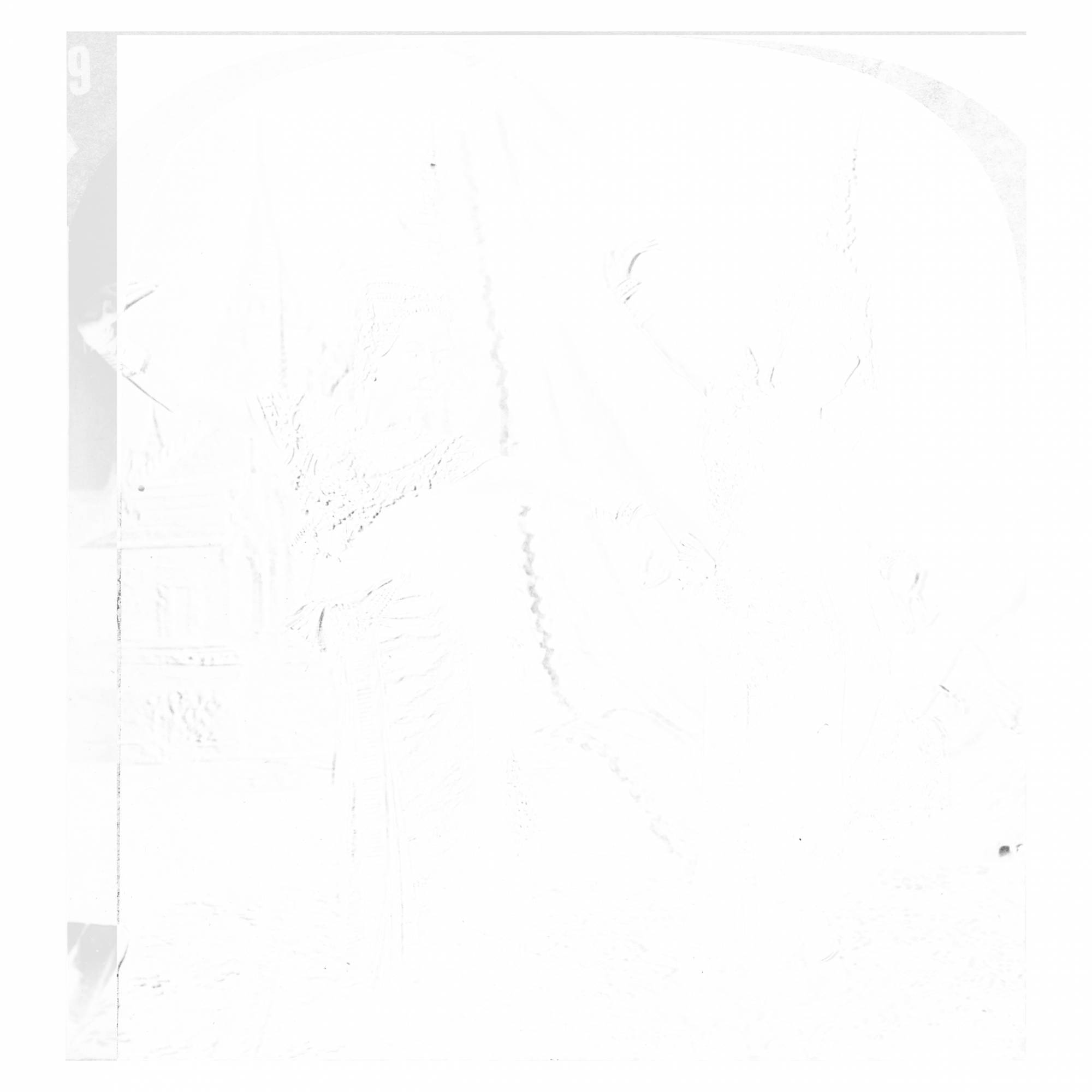
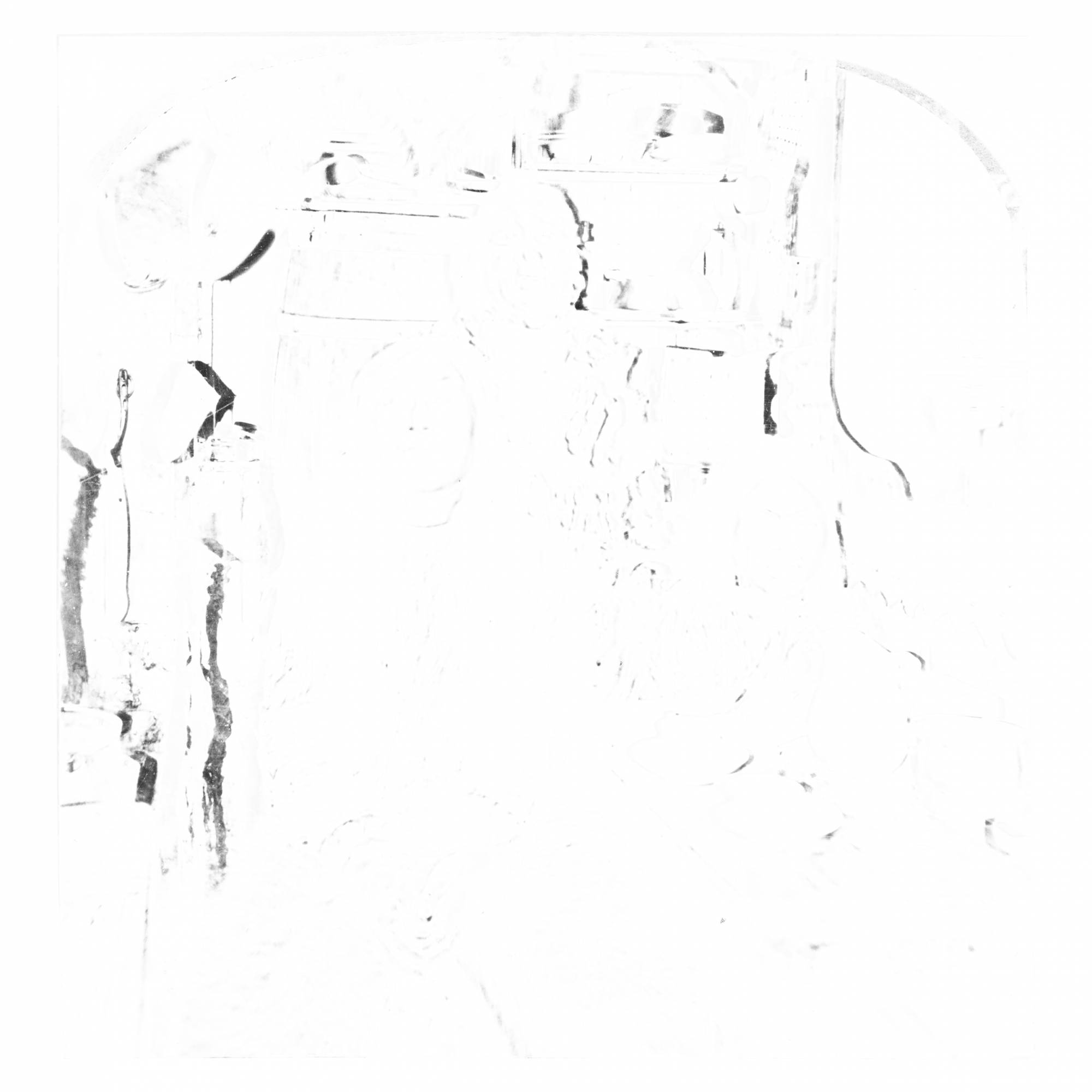
The two photographic views of each stereograph are forced into correspondence. Their differences (the very differences that ordinarily produce stereoscopic depth) are isolated. What remains is a residue of parallax: fragments of people, structures, and landscapes suspended in an otherwise largely empty field. The people represented in the original photographs do not disappear through simple erasure. They disappear through correspondence. As their two photographic positions are made equivalent, there is less difference left to see.
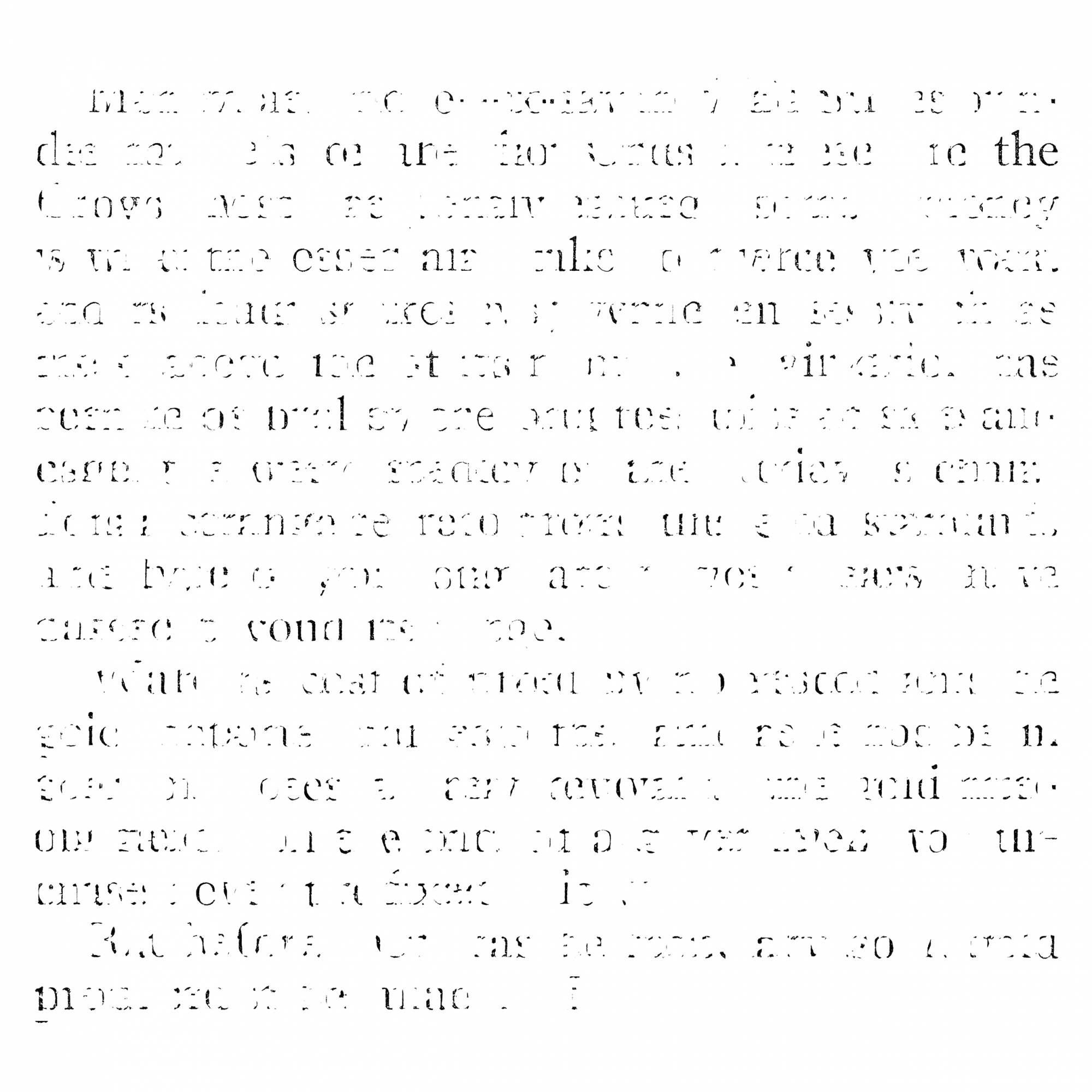
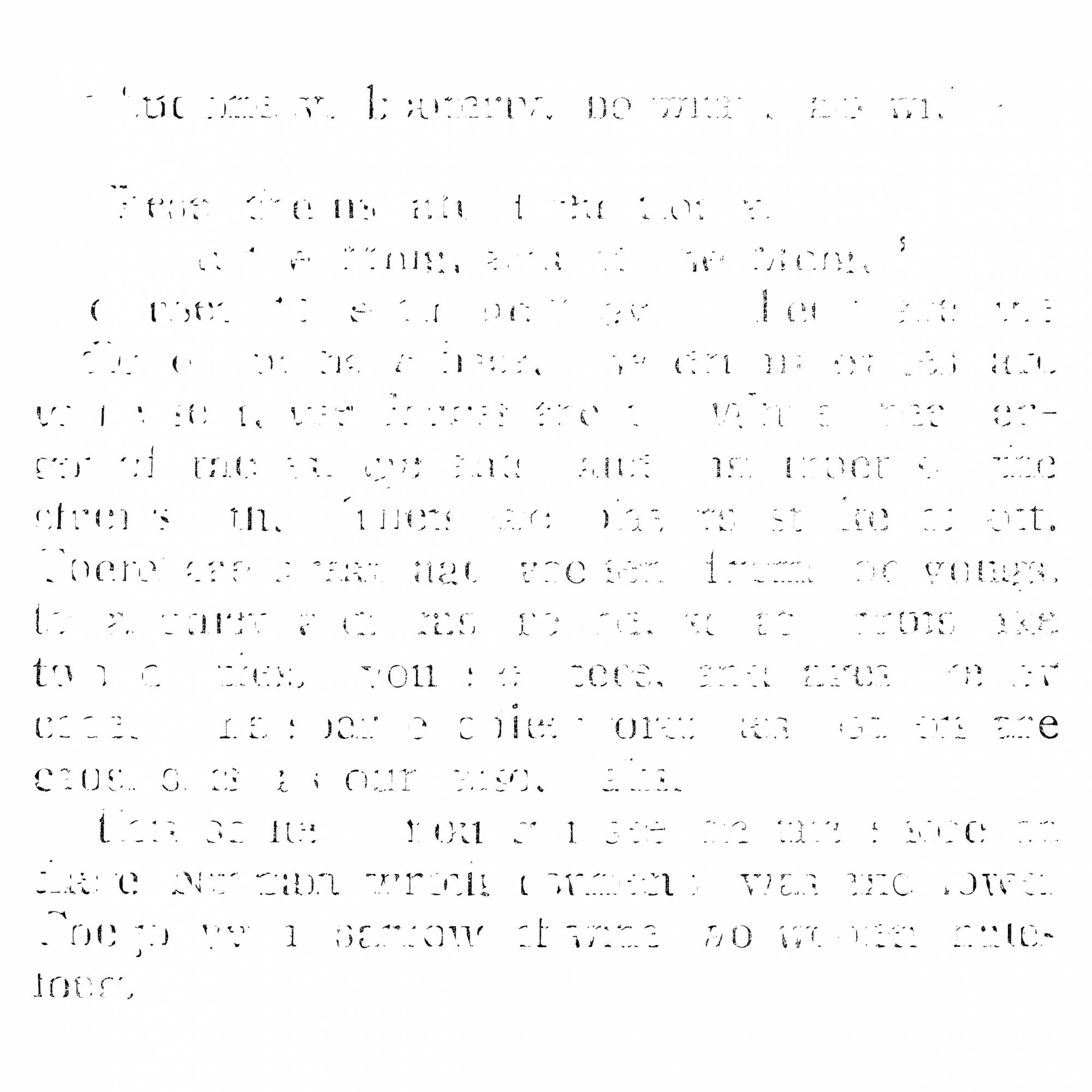
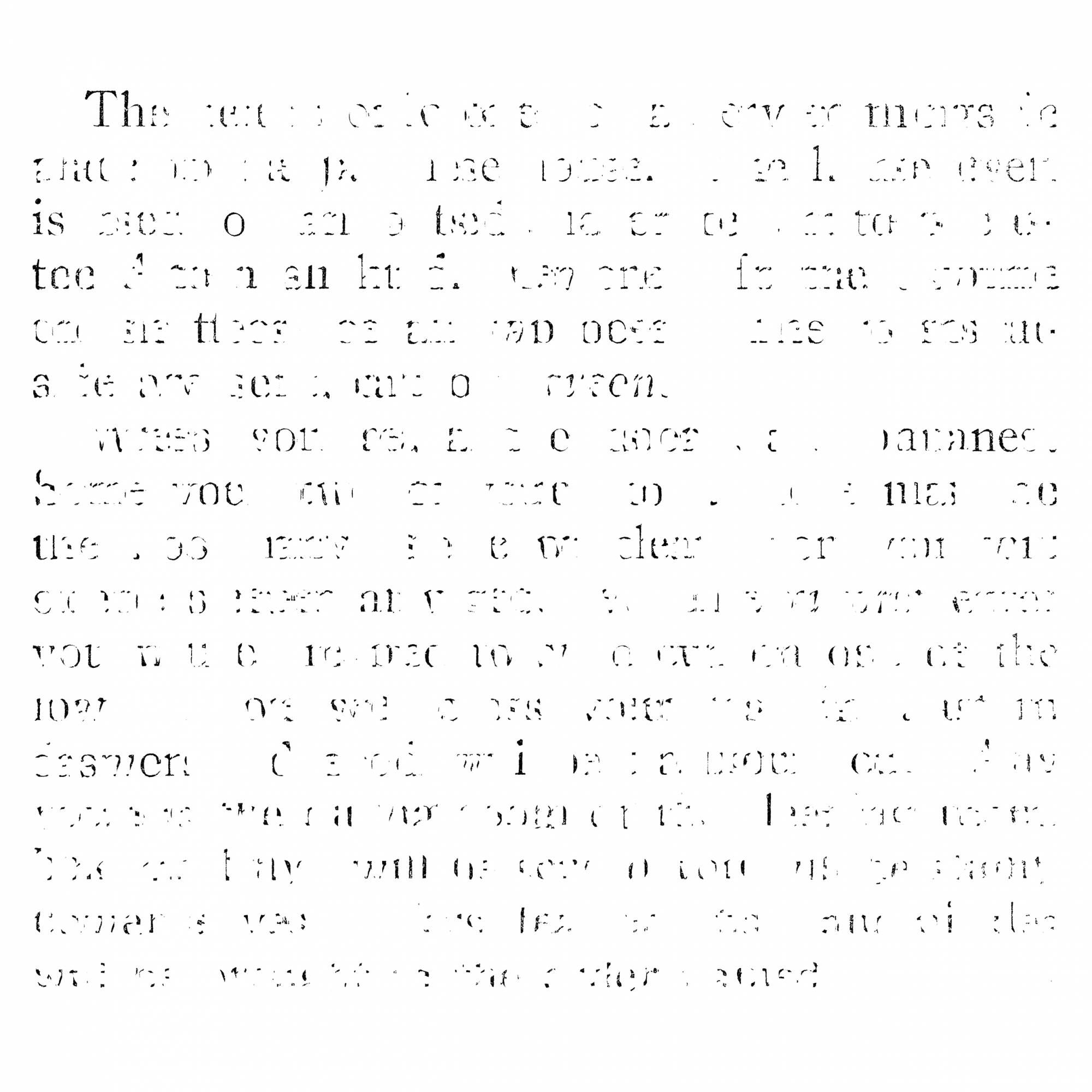
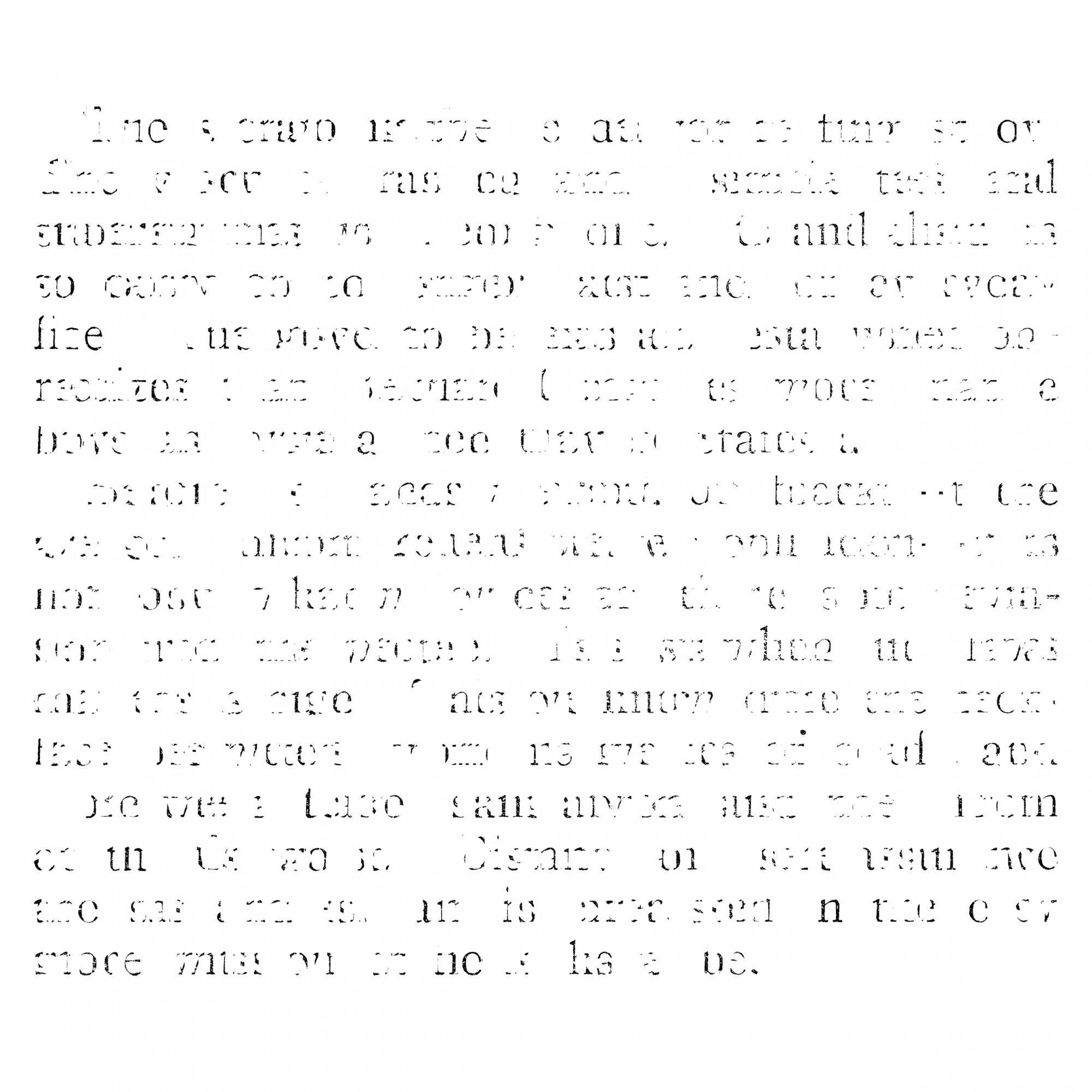
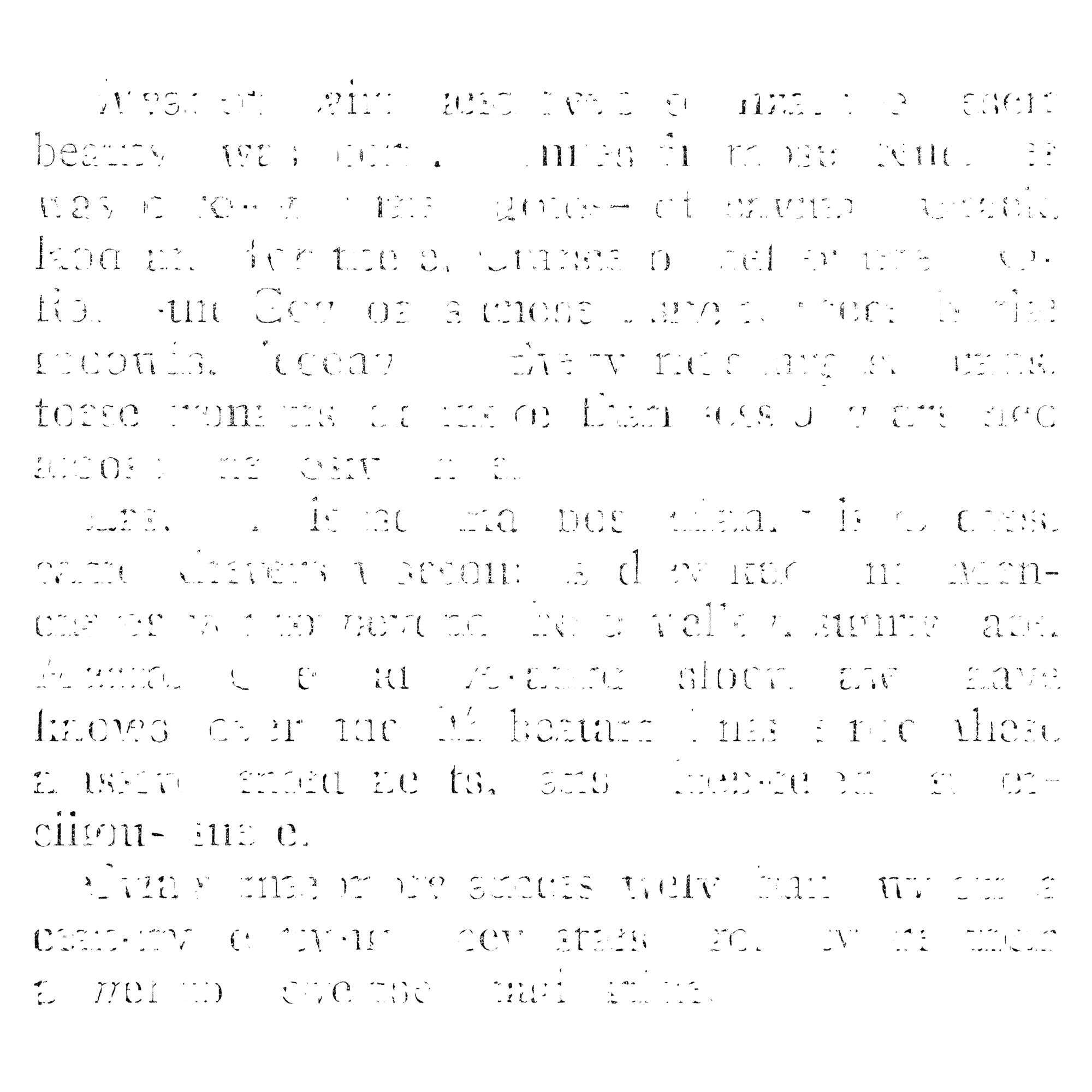
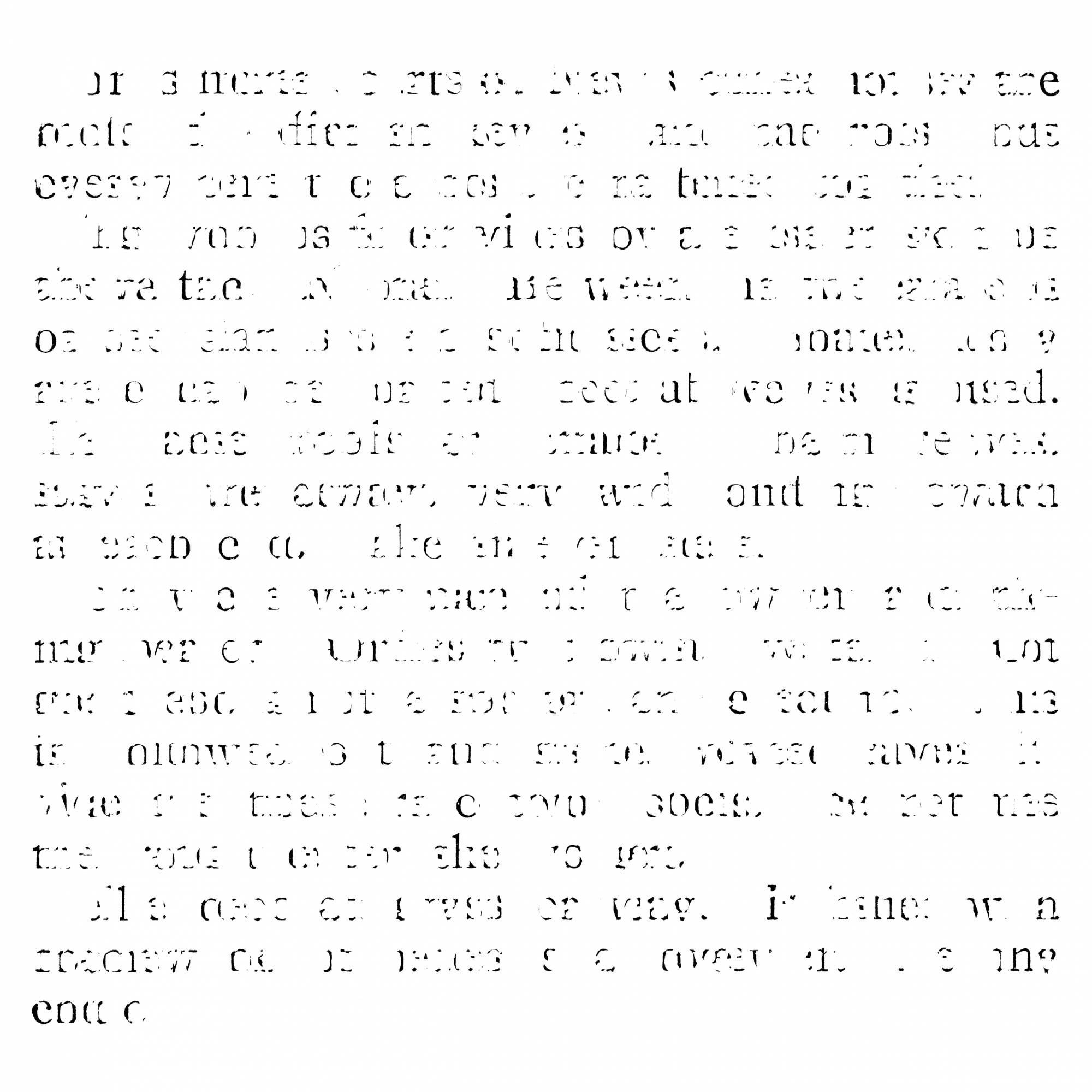
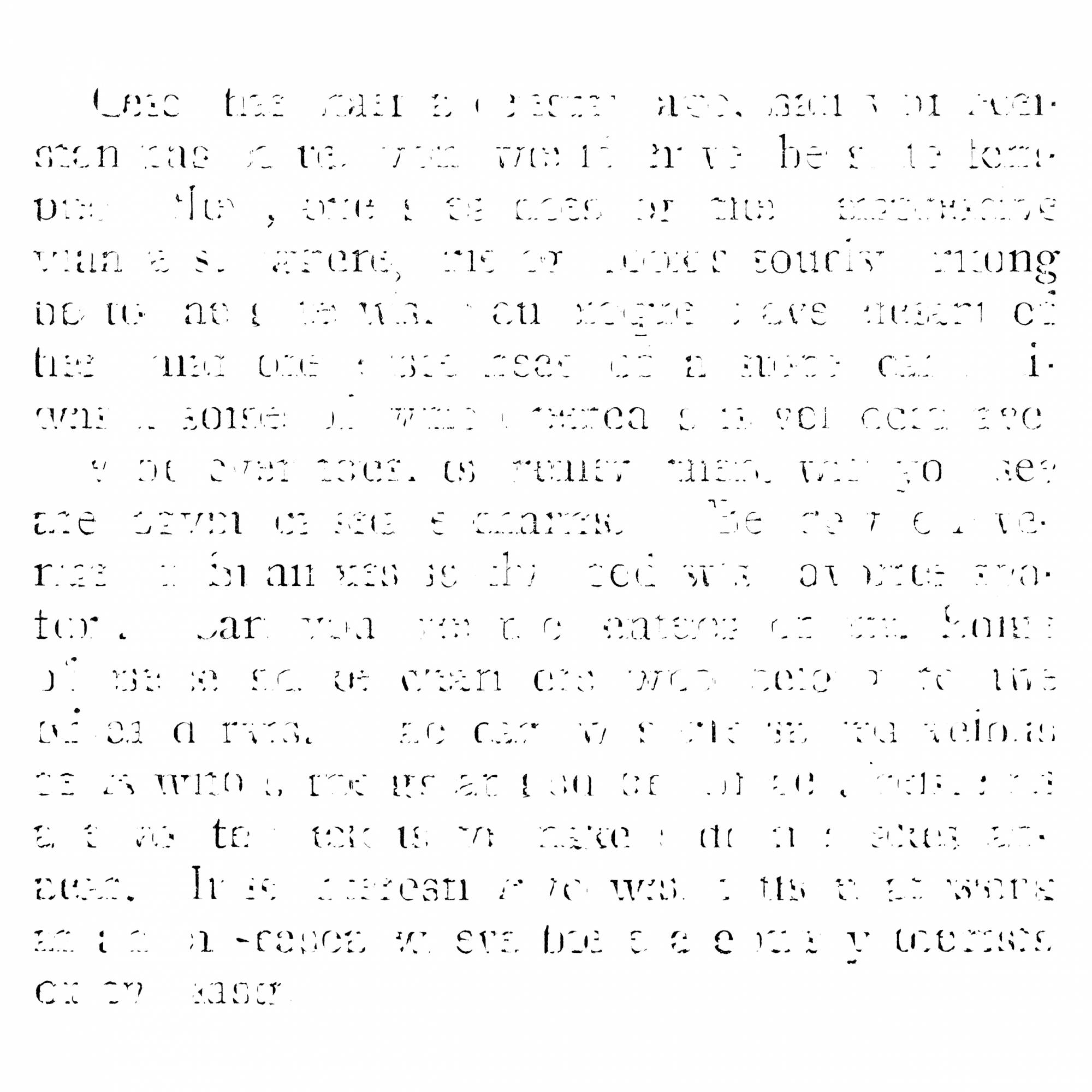
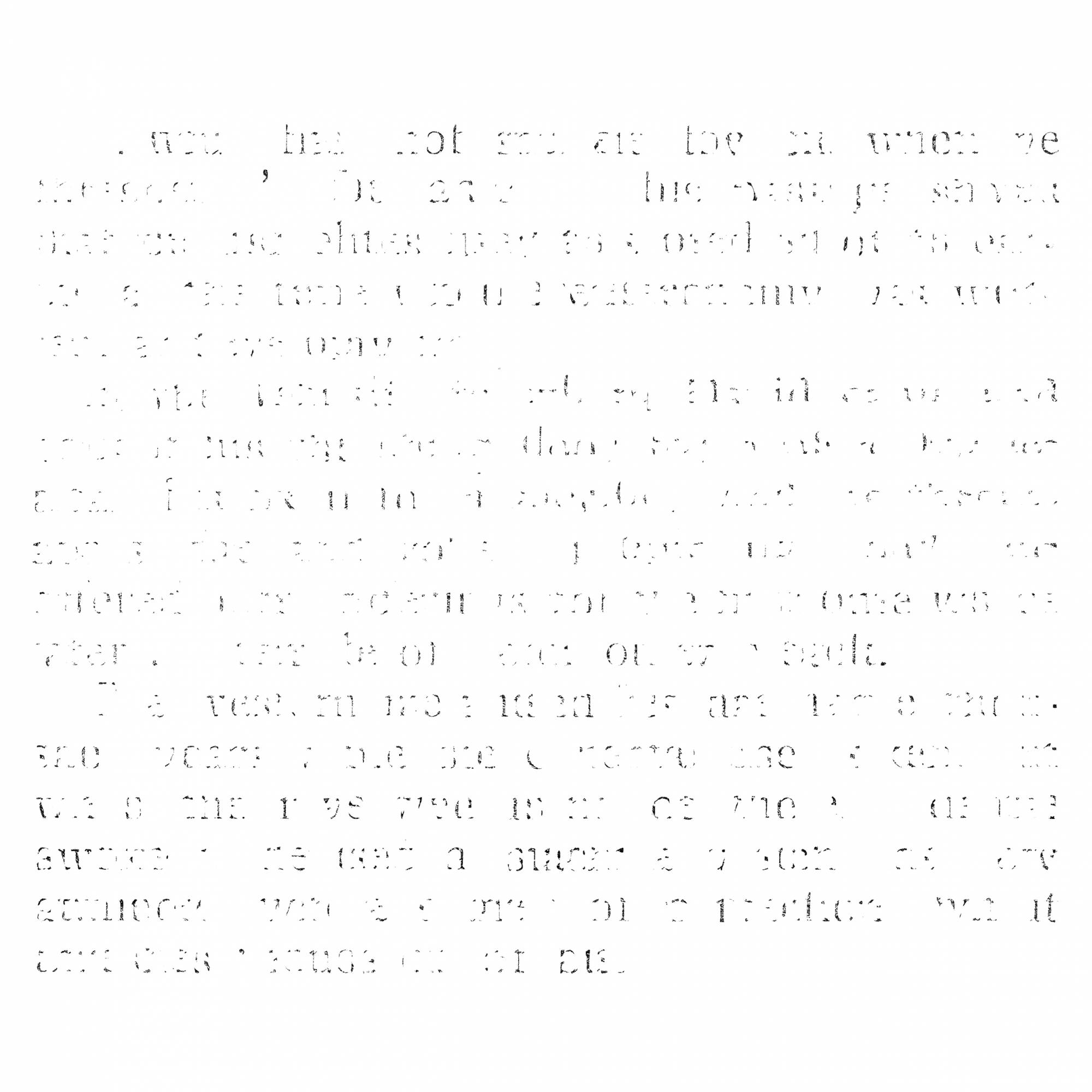
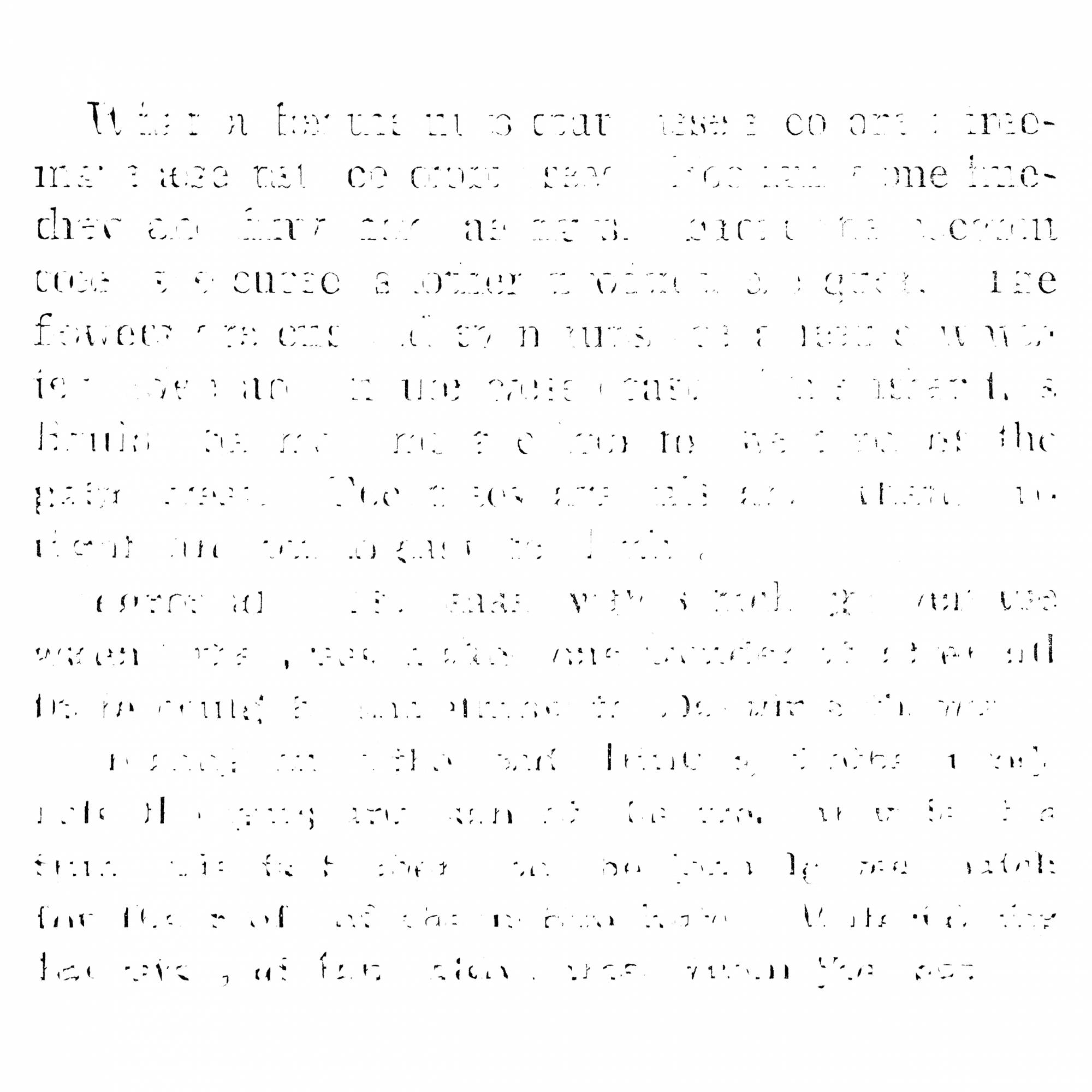
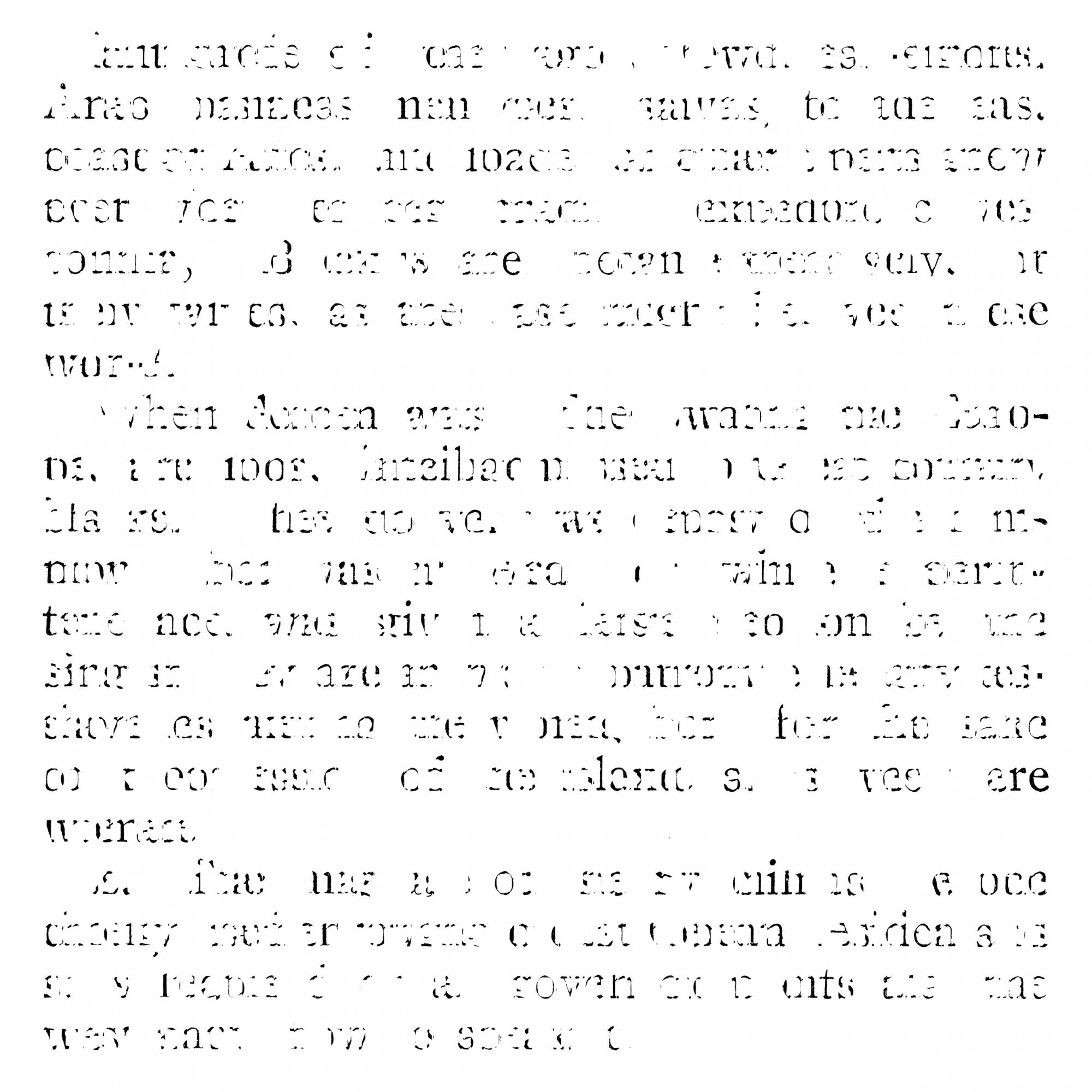
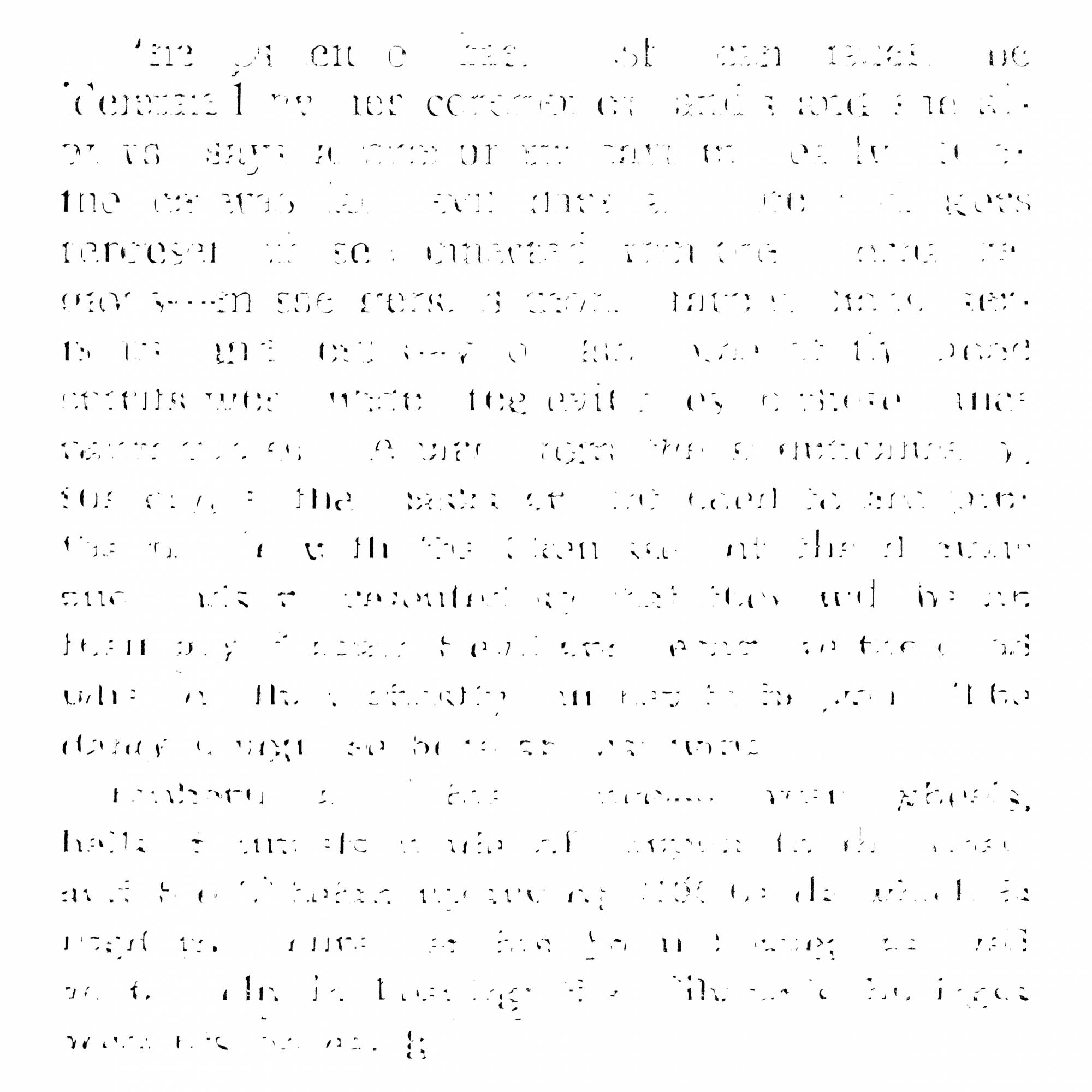
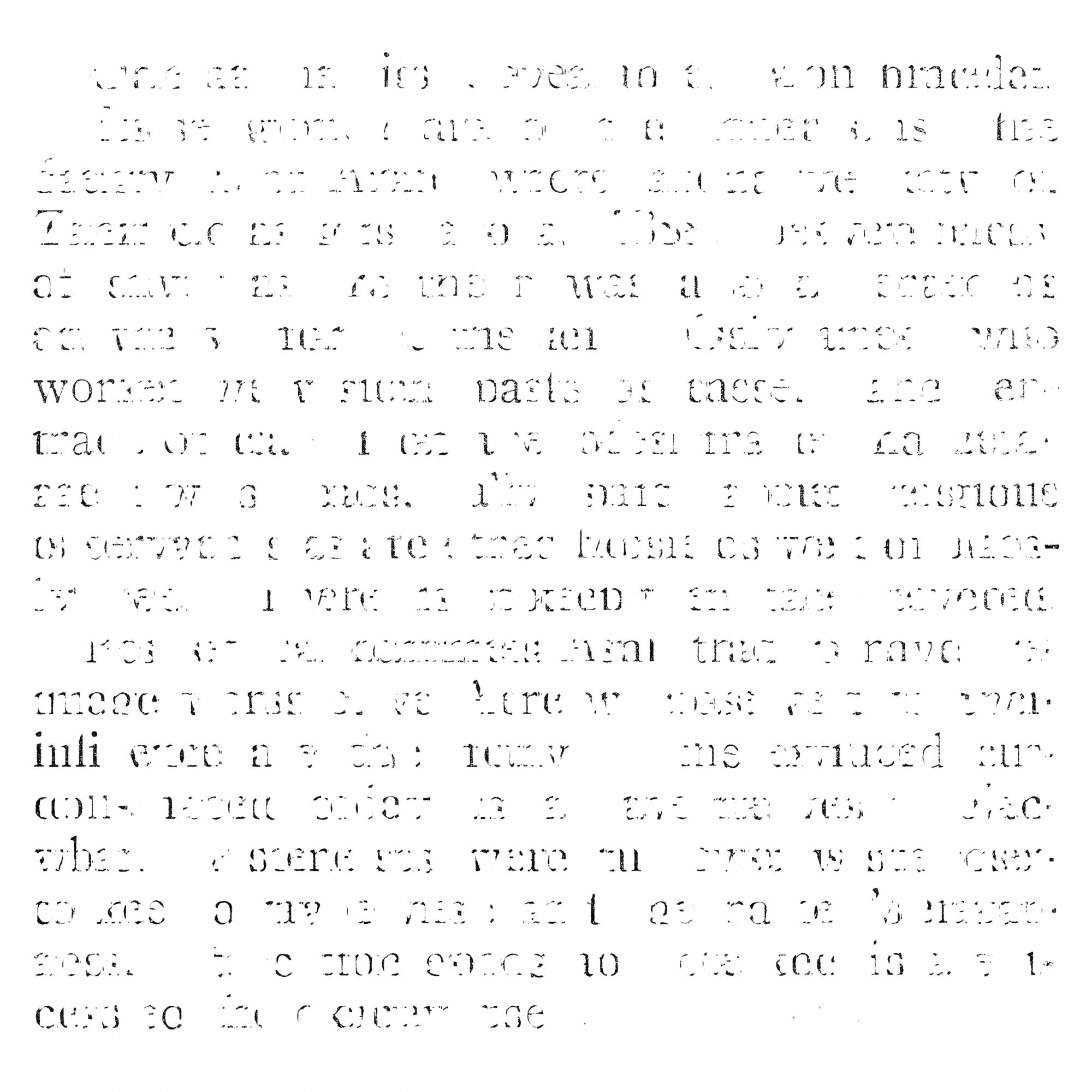
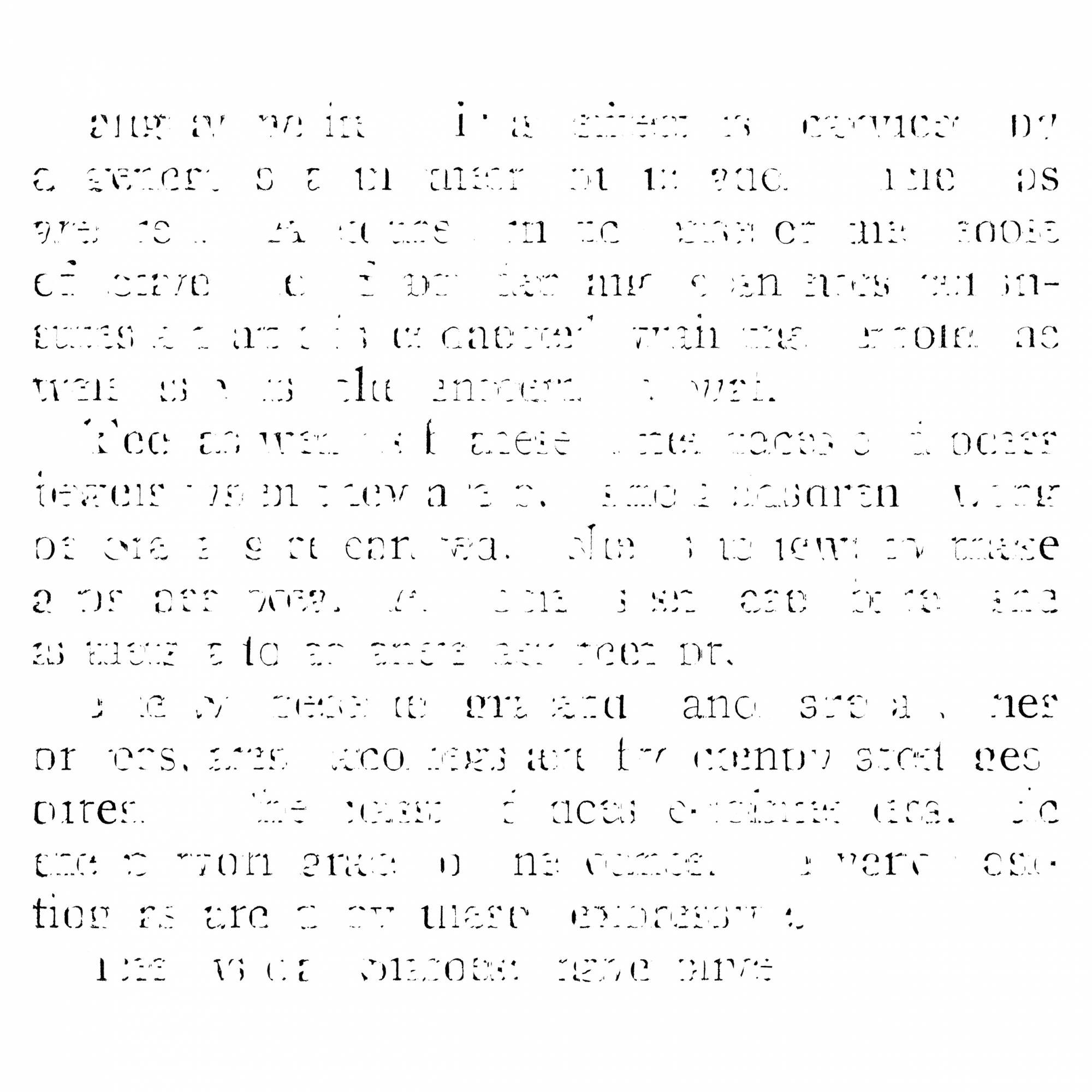
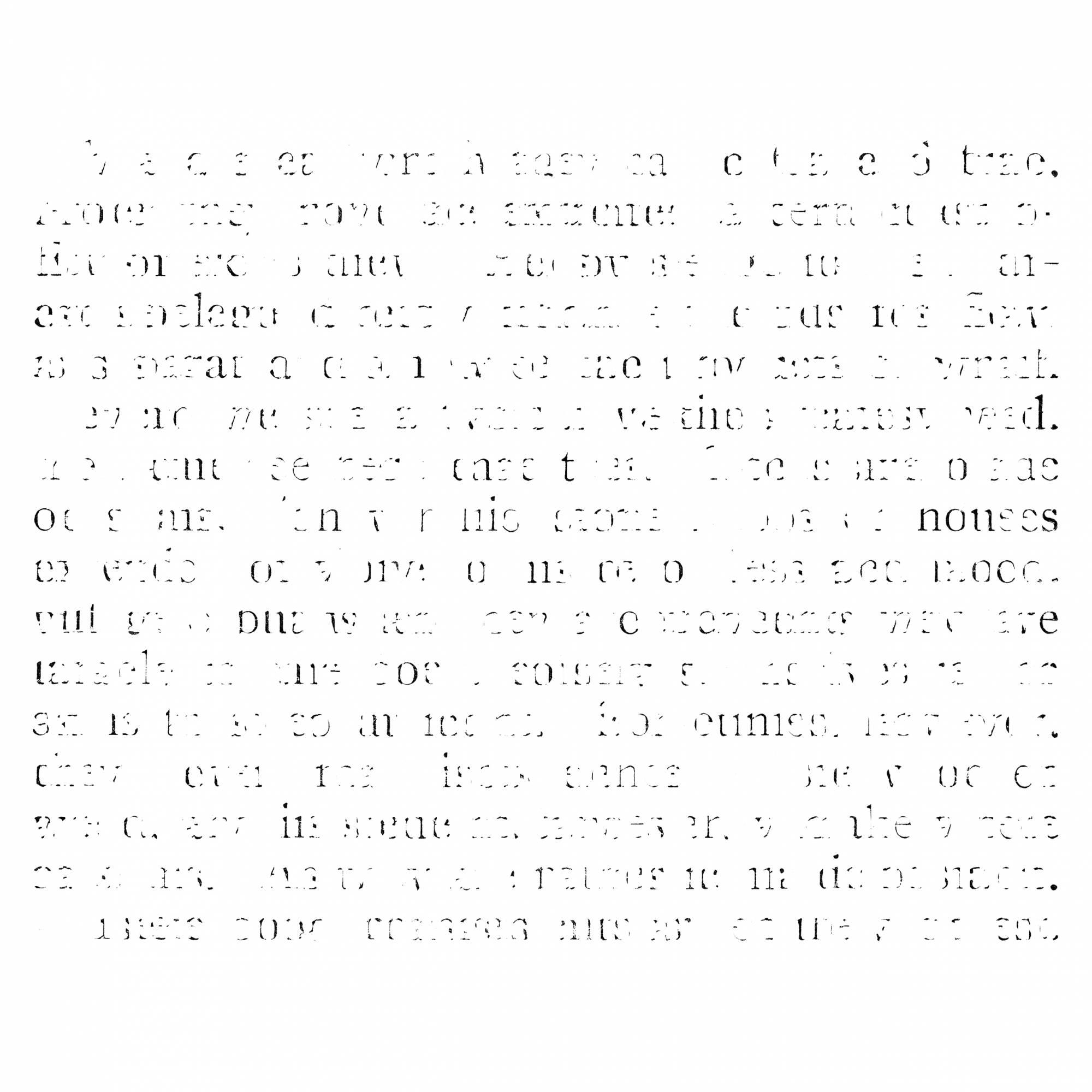
The text undergoes a related but inverse operation. Its two columns are treated as though they were separate representations rather than consecutive portions of a continuous narrative. Only what corresponds between them remains. The resulting fragments of letters are visually present but semantically unstable. Where the photograph loses its spatial coherence, the text loses its narrative coherence.
The image and text therefore fail differently. The photograph reveals the difference that stereoscopic vision normally suppresses; the text retains fragments after the continuity that makes it readable has been broken. One interrupts the ease of looking, the other the ease of reading.
difference MAP is a series of pairs, each titled with fragments of the original language: a lowercase word from the sentence beneath the right-hand photograph and an uppercase word from the heading above the left-hand text column. What remains of the original description becomes part of the new object without becoming its explanation.
The intervention does not attempt to correct the archive by replacing its representations with more accurate ones. Nor does it claim to occupy a position outside the history of the gaze. Every act of looking is already framed by choices about what is visible and what is not. This intervention introduces another layer of selection, distortion, correspondence, and removal. The authority being questioned is therefore not only historical; it is also that of the artist.
Ariella Aïsha Azoulay, an Israeli-born scholar, curator, filmmaker, and theorist of photography, wrote that a photograph can be reopened and its meanings renegotiated because it always exceeds any single account of what it shows. The stereographs in difference MAP remain open in this sense, not because their original meanings can be recovered, but because the photographic object continues to contain possibilities beyond the certainty once assigned to it.
What is at stake is less the content of any particular photograph than the historical engineering of visual certainty: the transformation of fragments into coherent worlds, distance into proximity, representation into knowledge. A photograph can show a place. A stereograph can make that place appear present. A caption can tell us what we are seeing. None is equivalent to being there.
The work seeks not ambiguity, but opacity: a resistance to the expectation that looking should result in access, that reading should result in understanding, or that representation should make its subjects available for consumption. Opacity is not an answer. It is a limit.
The desire to overcome that limit is familiar. Stereographs promised travel without traveling; later technologies extended the promise through television, film, computer screens, video games, social media, virtual reality, and artificial intelligence. The technologies have changed, but the desire to collapse distance and make elsewhere immediately available has only intensified.
difference MAP returns to an early form of this promise and turns its mechanism against itself. The difference required to manufacture depth is no longer concealed. The coherence required to make a narrative easy to consume no longer holds.
What remains is not a world made available, but the trace of what could not be made equivalent.