“We are not in search of sources or origins, but of structures of signification: underneath each picture there is always another picture.” —Douglas Crimp, art historian and co-founder of the discipline of visual studies, from the exhibition statement for Pictures (1979)
A painting is never encountered as an image alone. It is framed, hung, lit, labeled, photographed, described, collected, and placed within histories that shape how it is seen. These conditions can become so familiar that they disappear from attention. The frame appears to separate the artwork from the world around it, while the painting itself can appear to offer a complete and self-contained image.
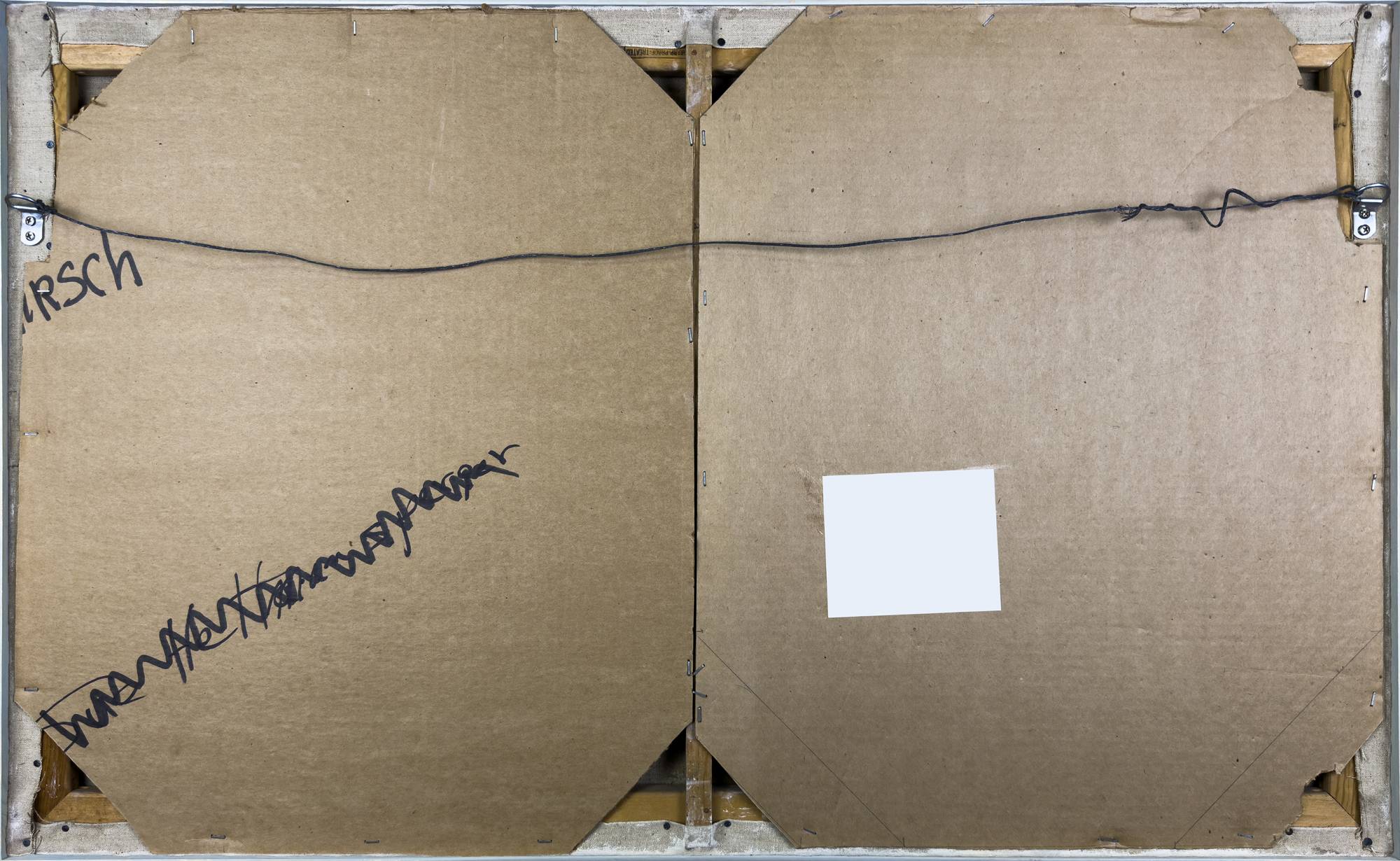
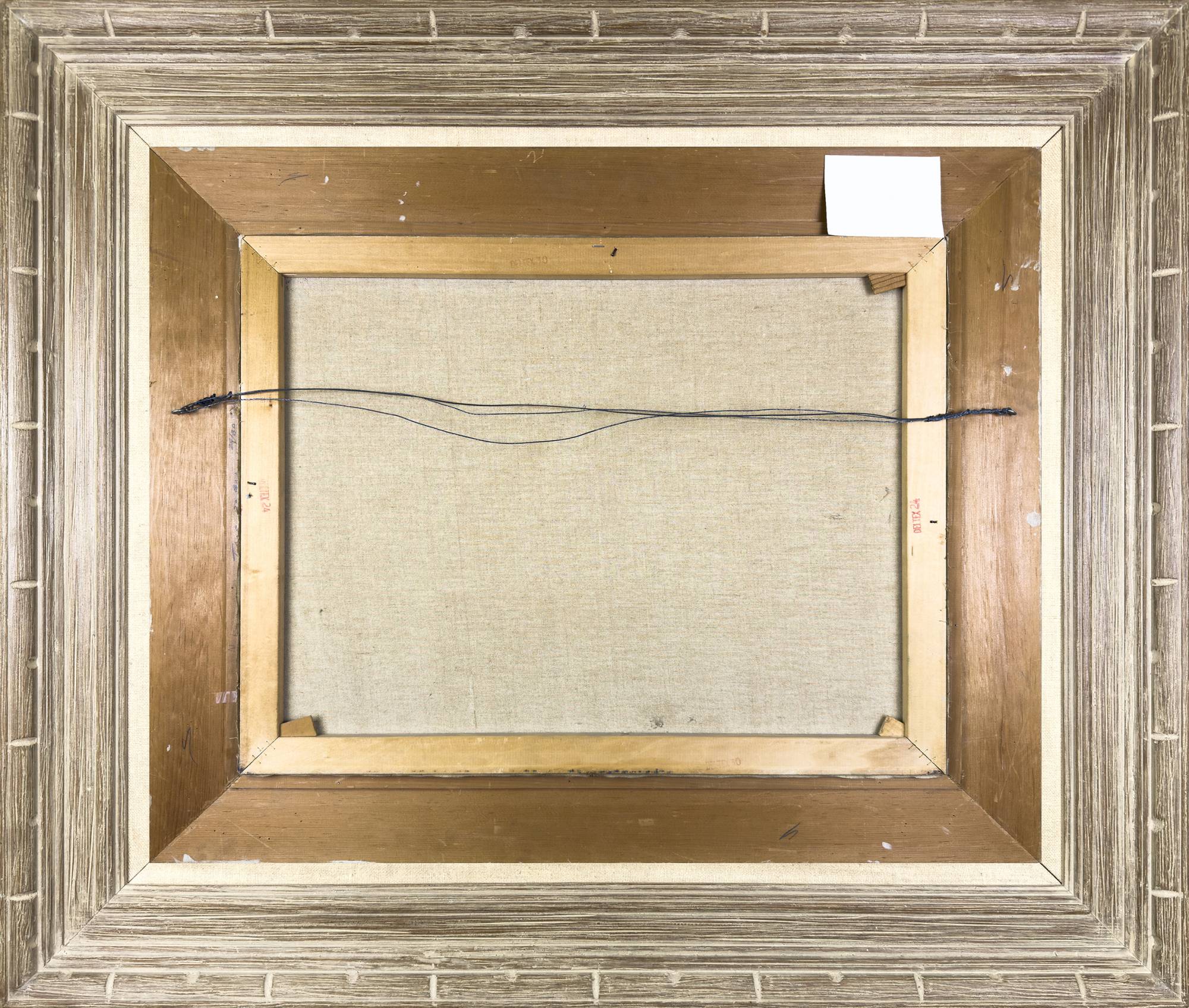
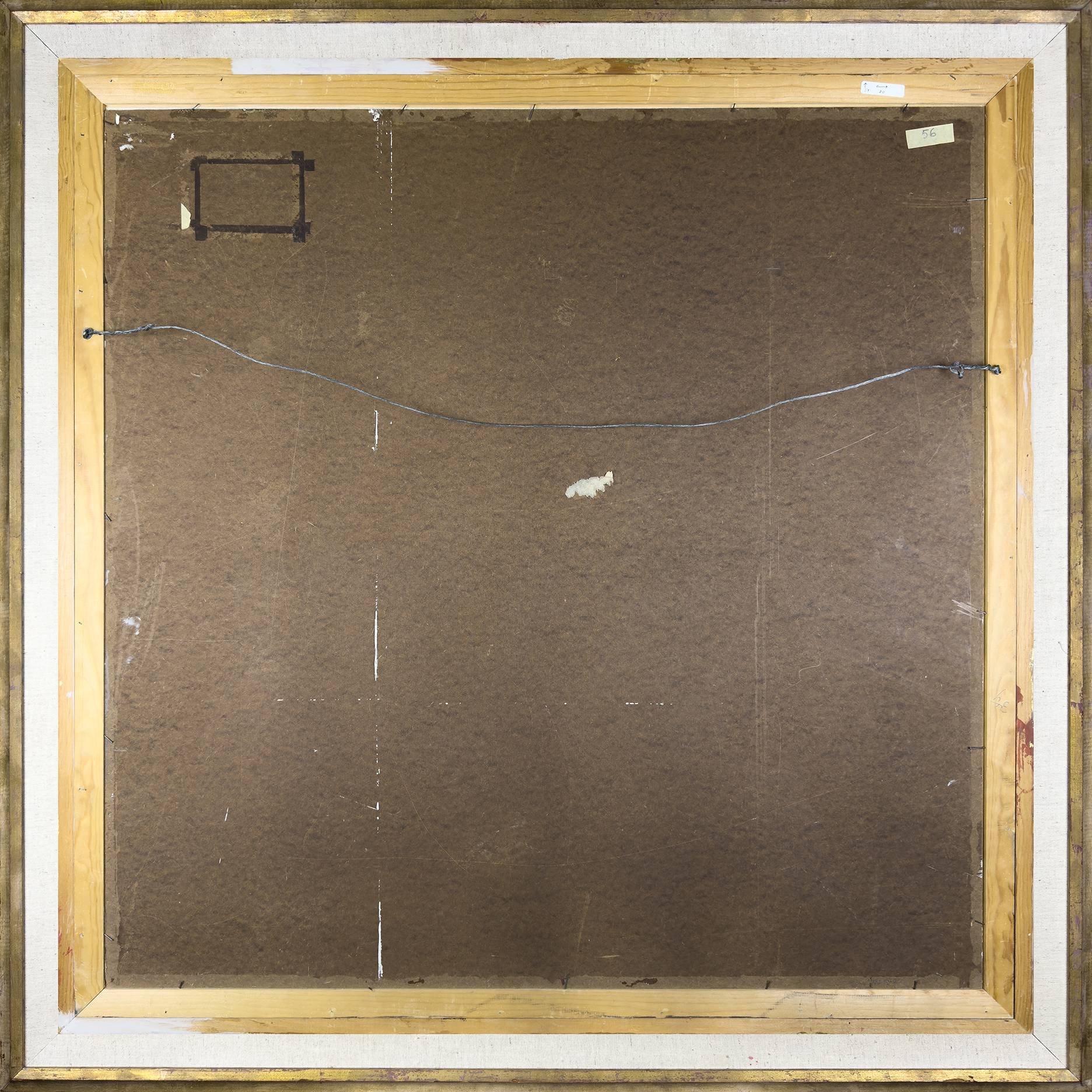
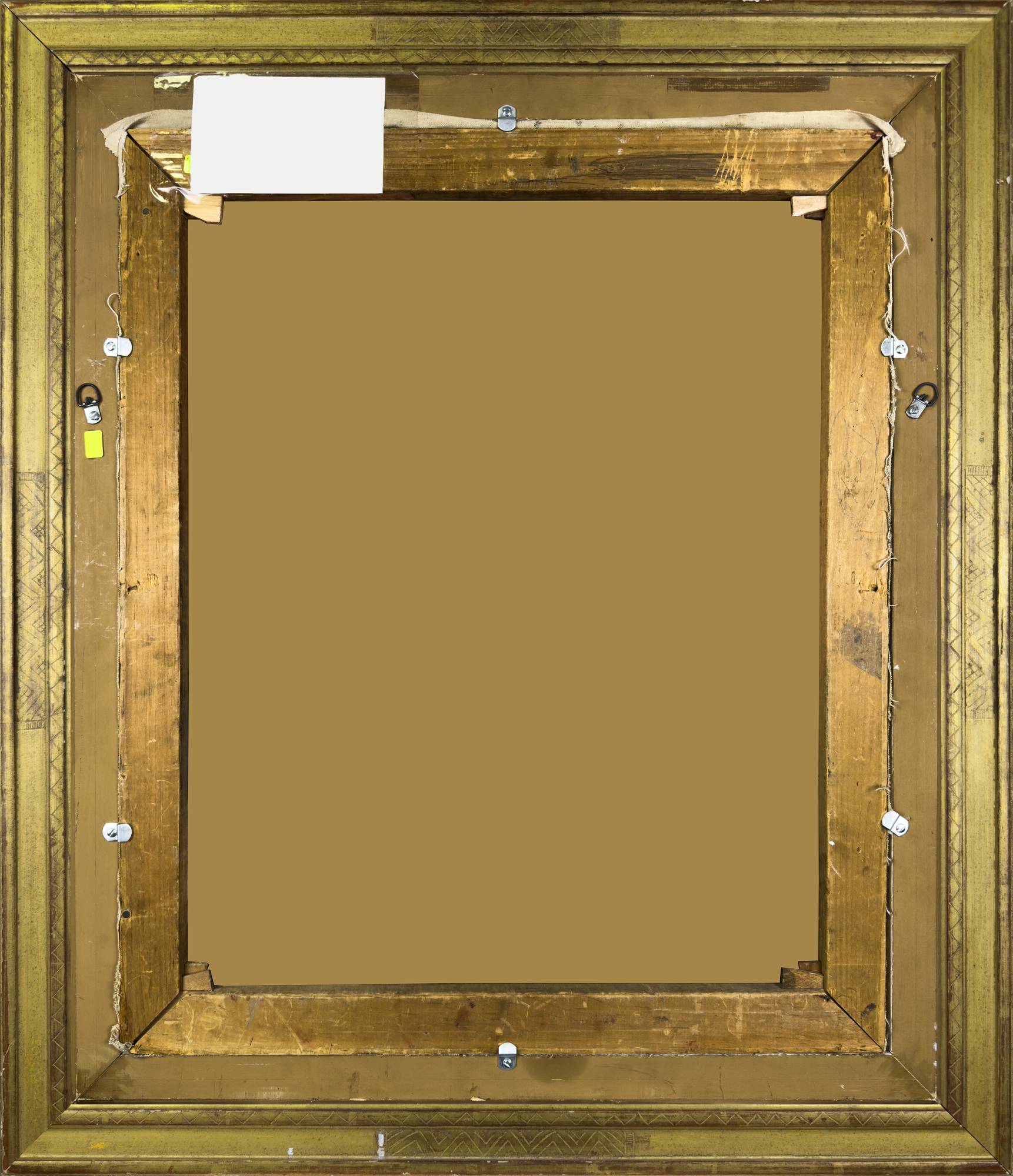
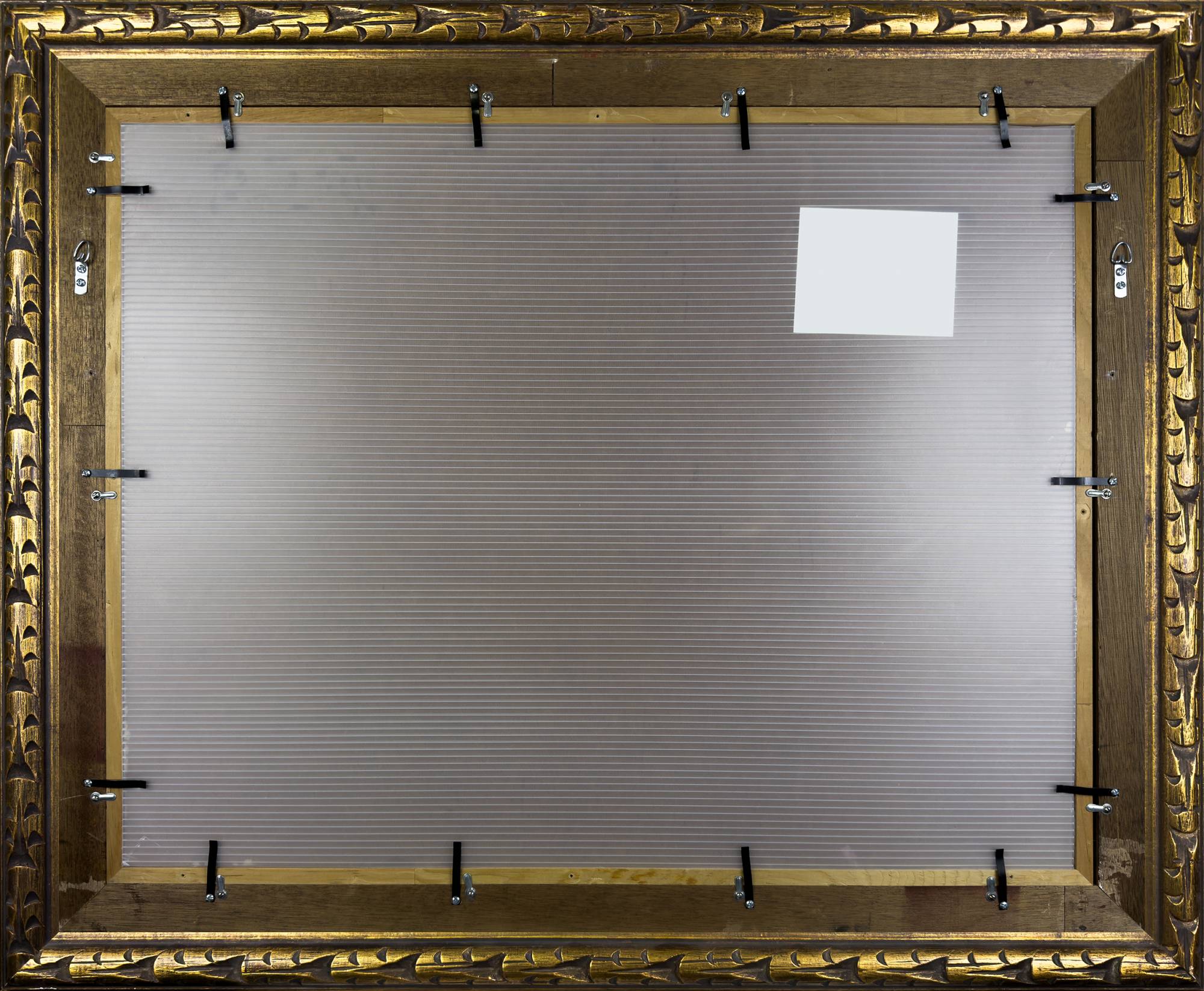
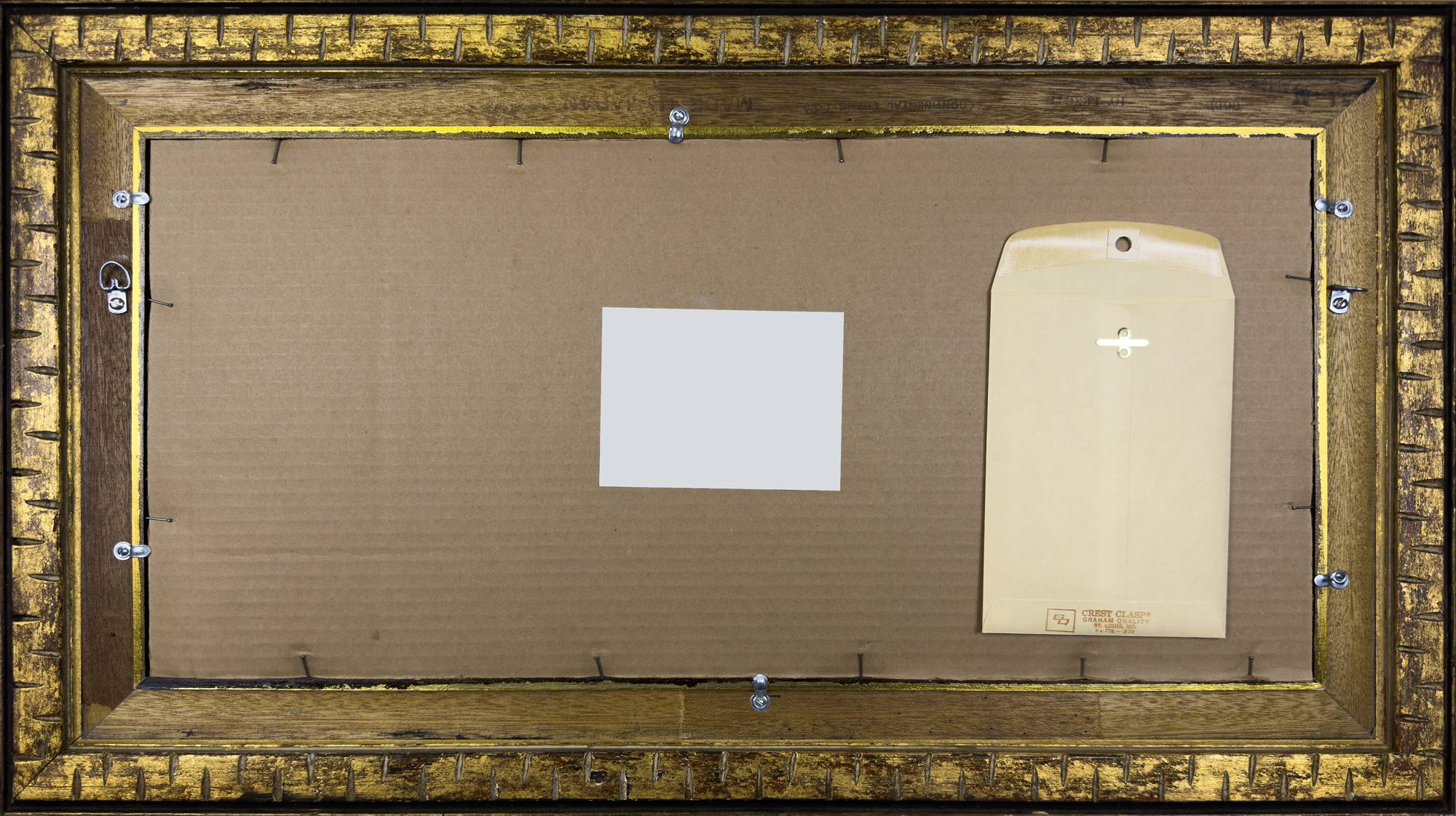
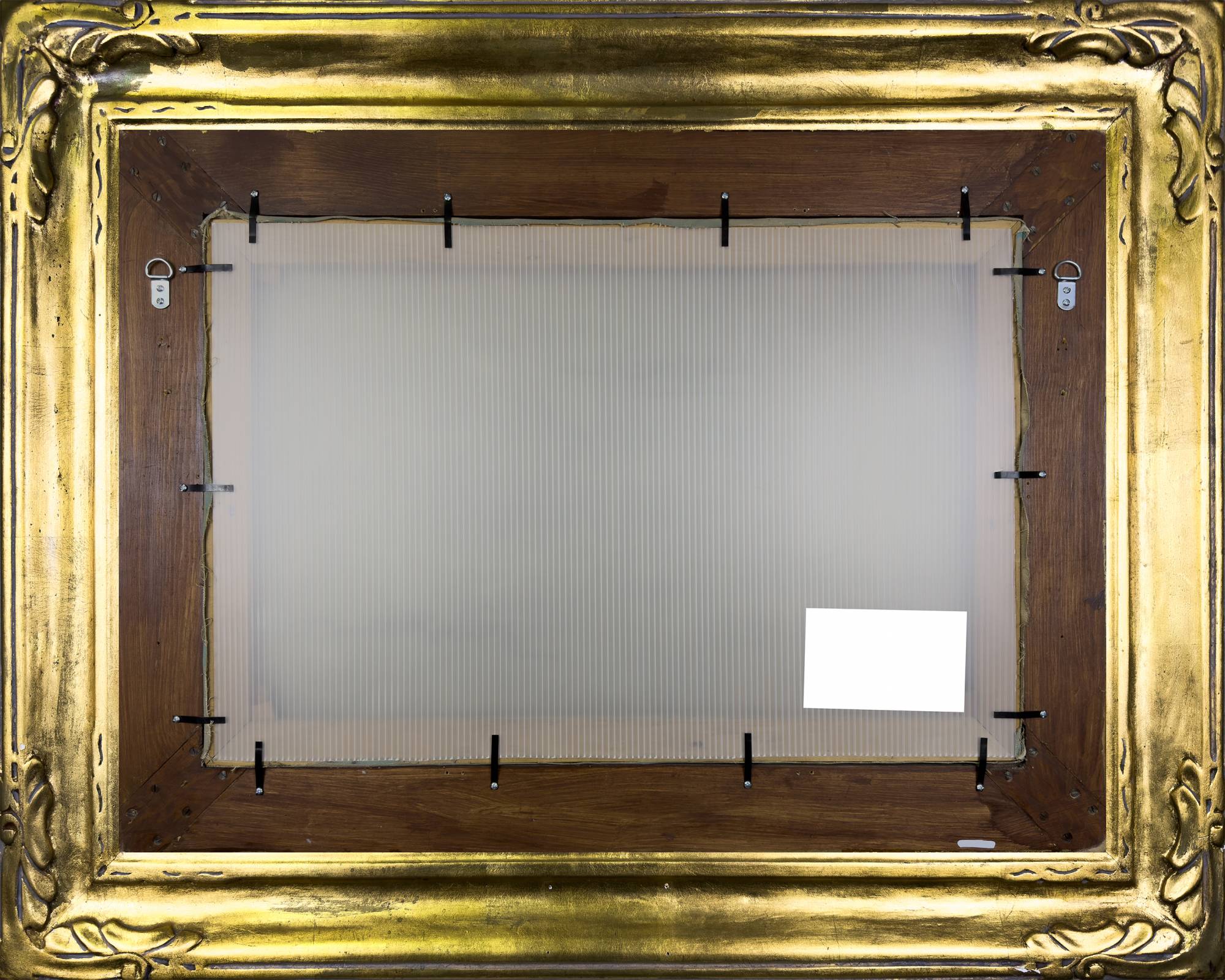
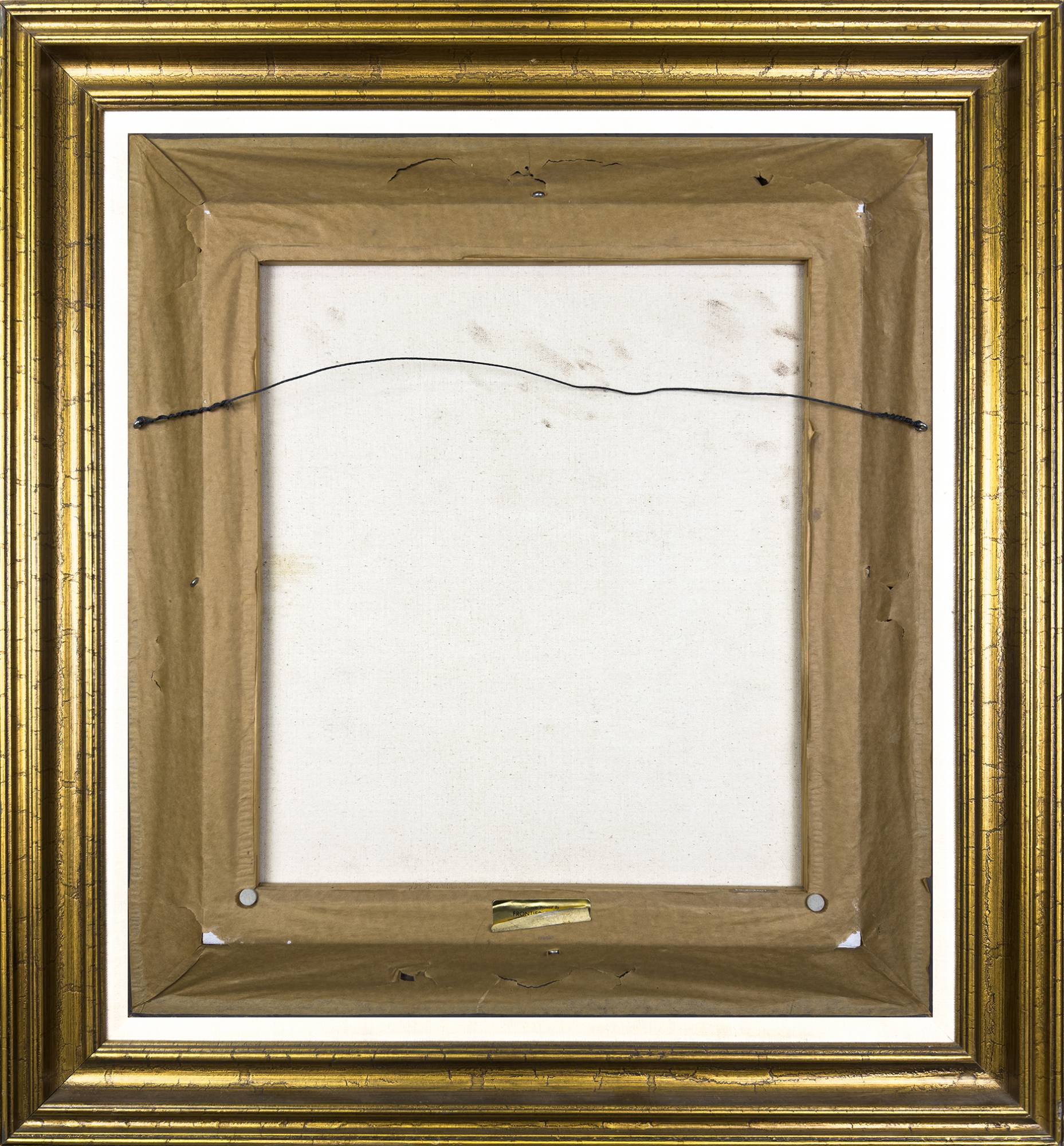
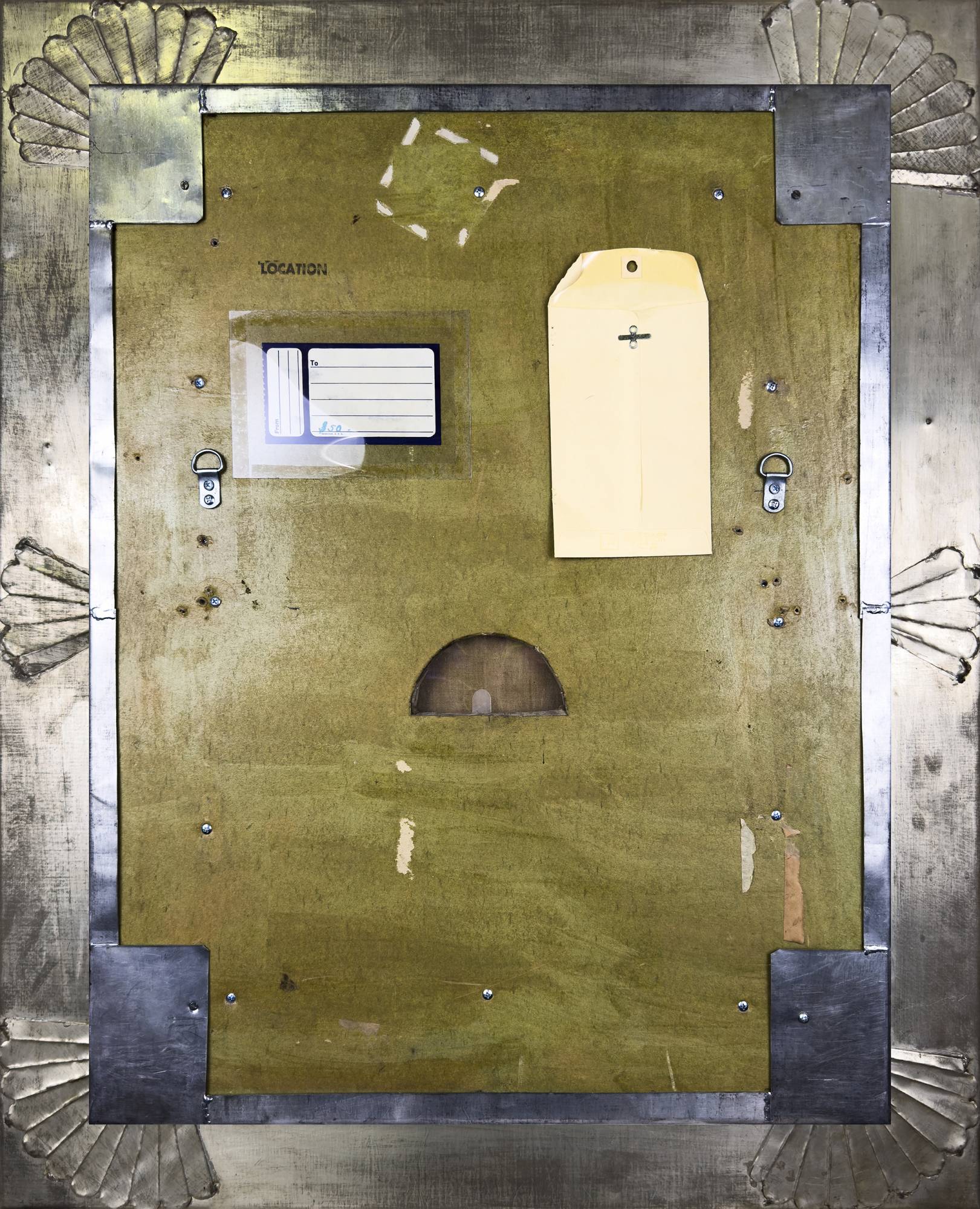
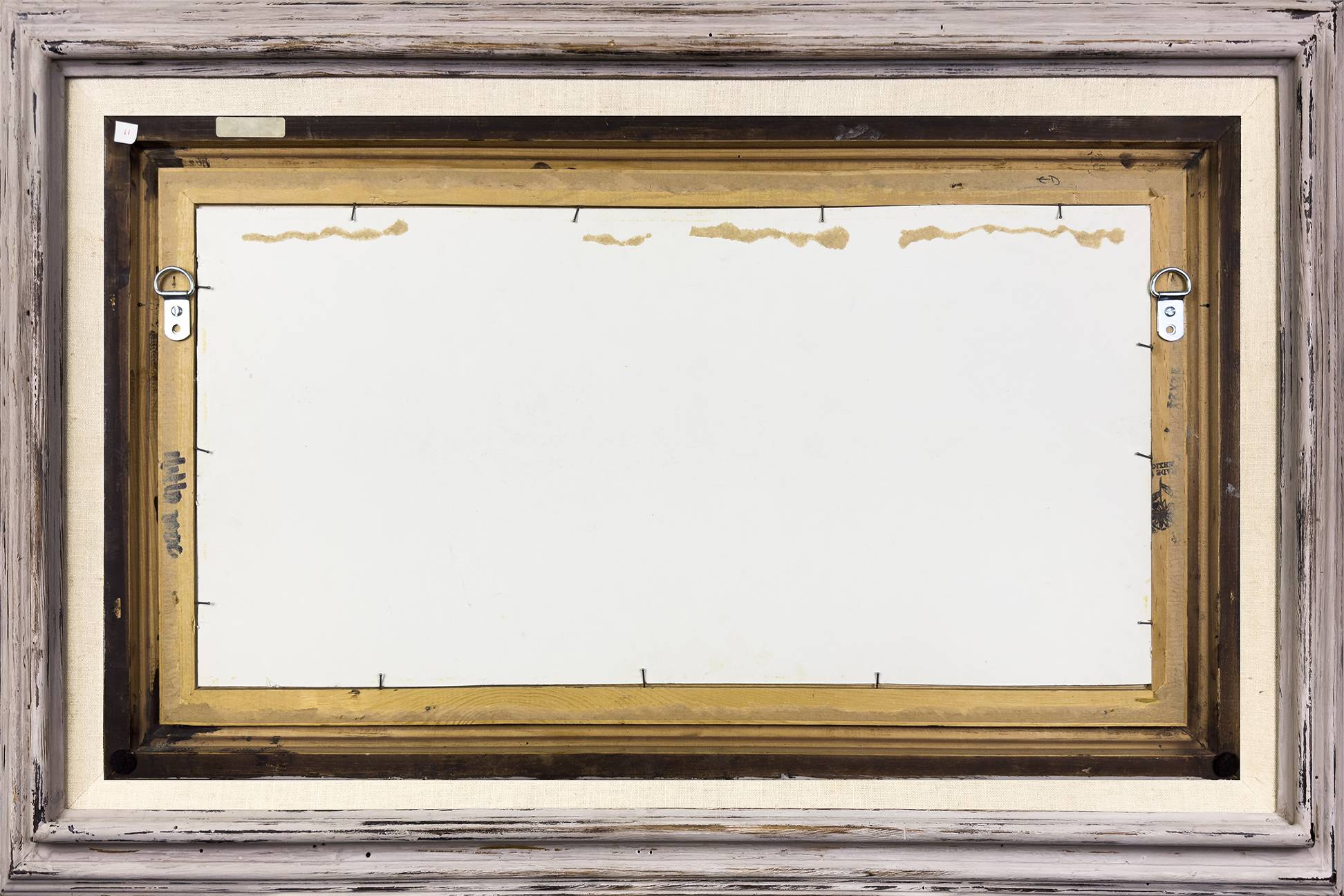
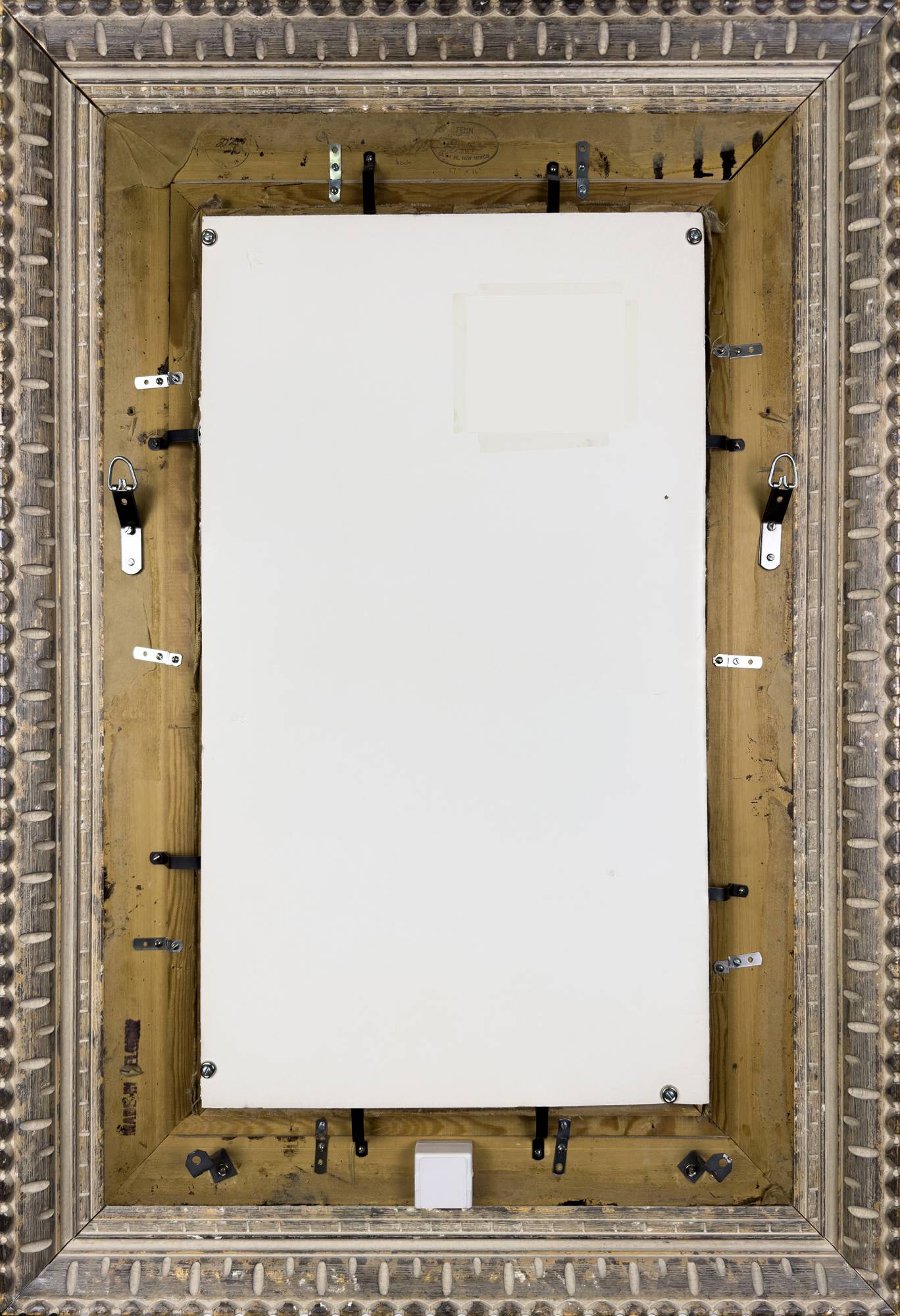
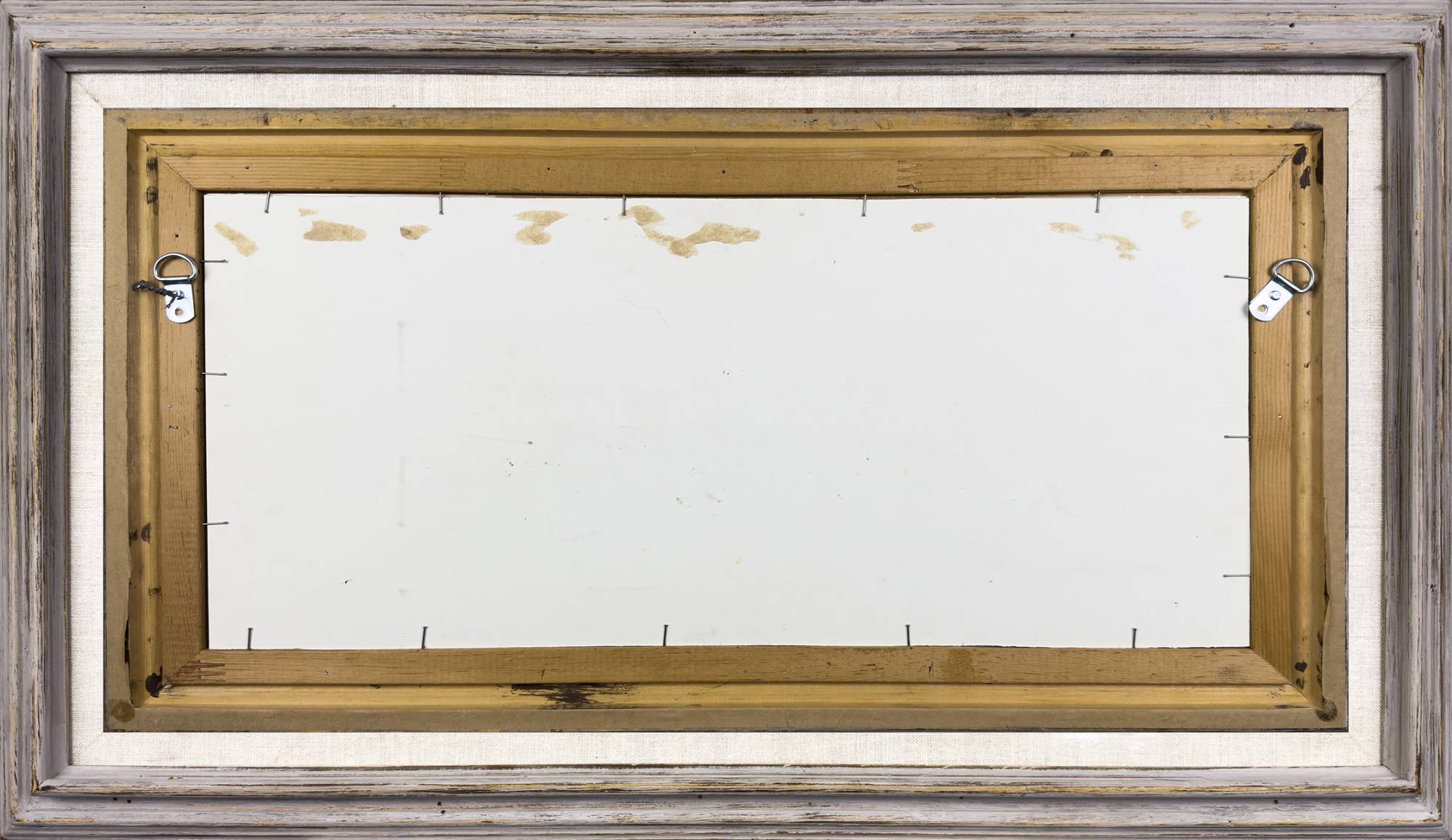
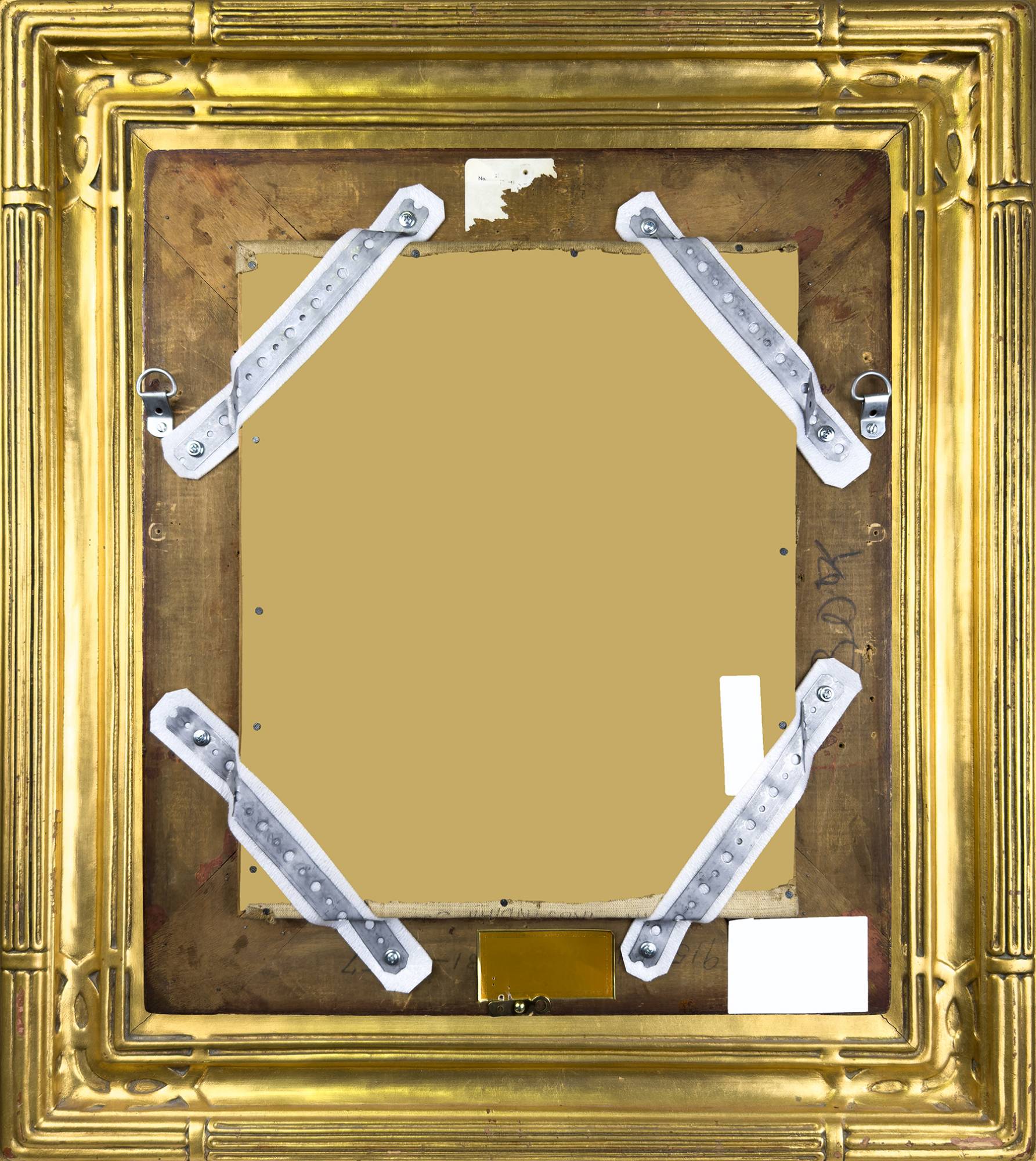
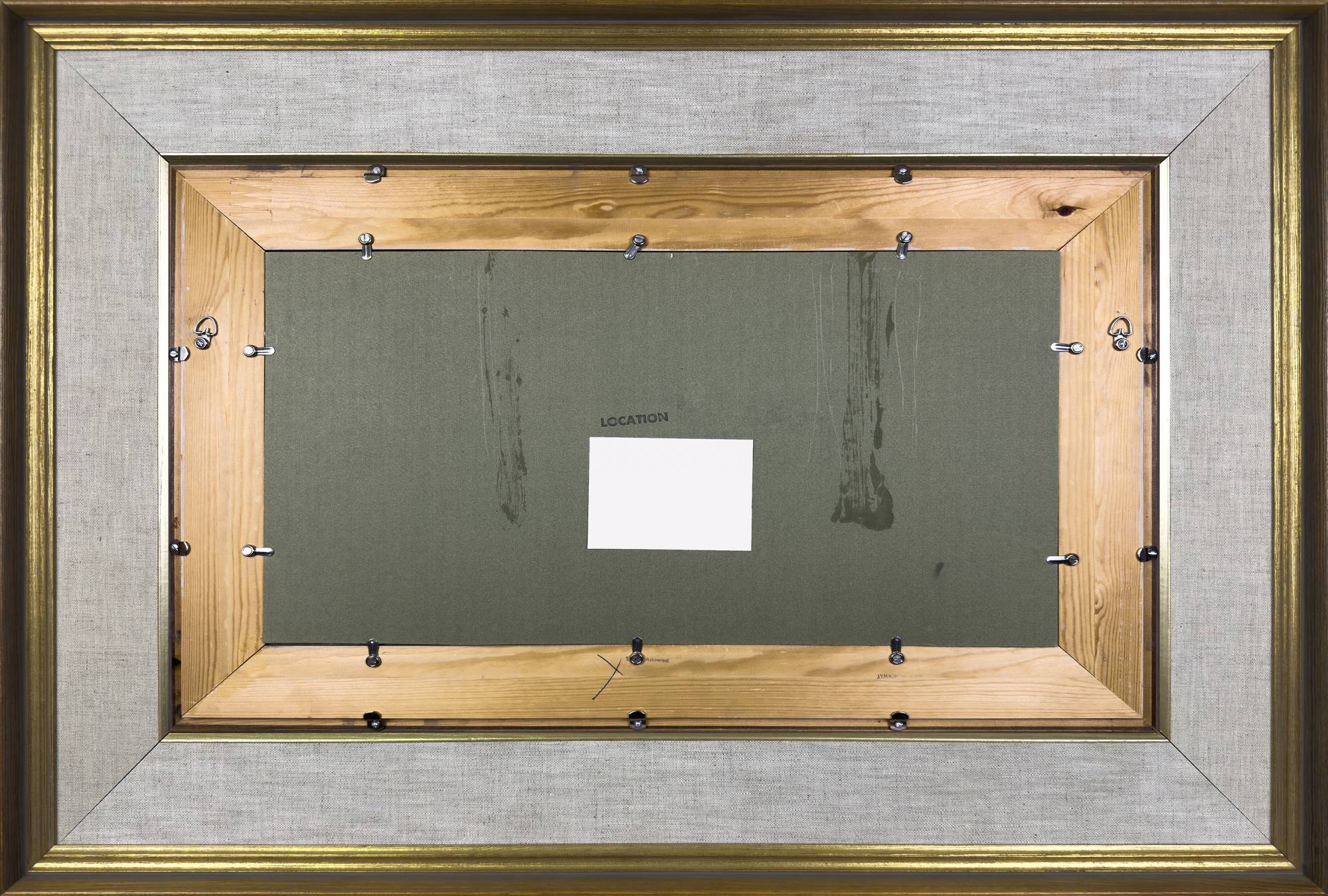
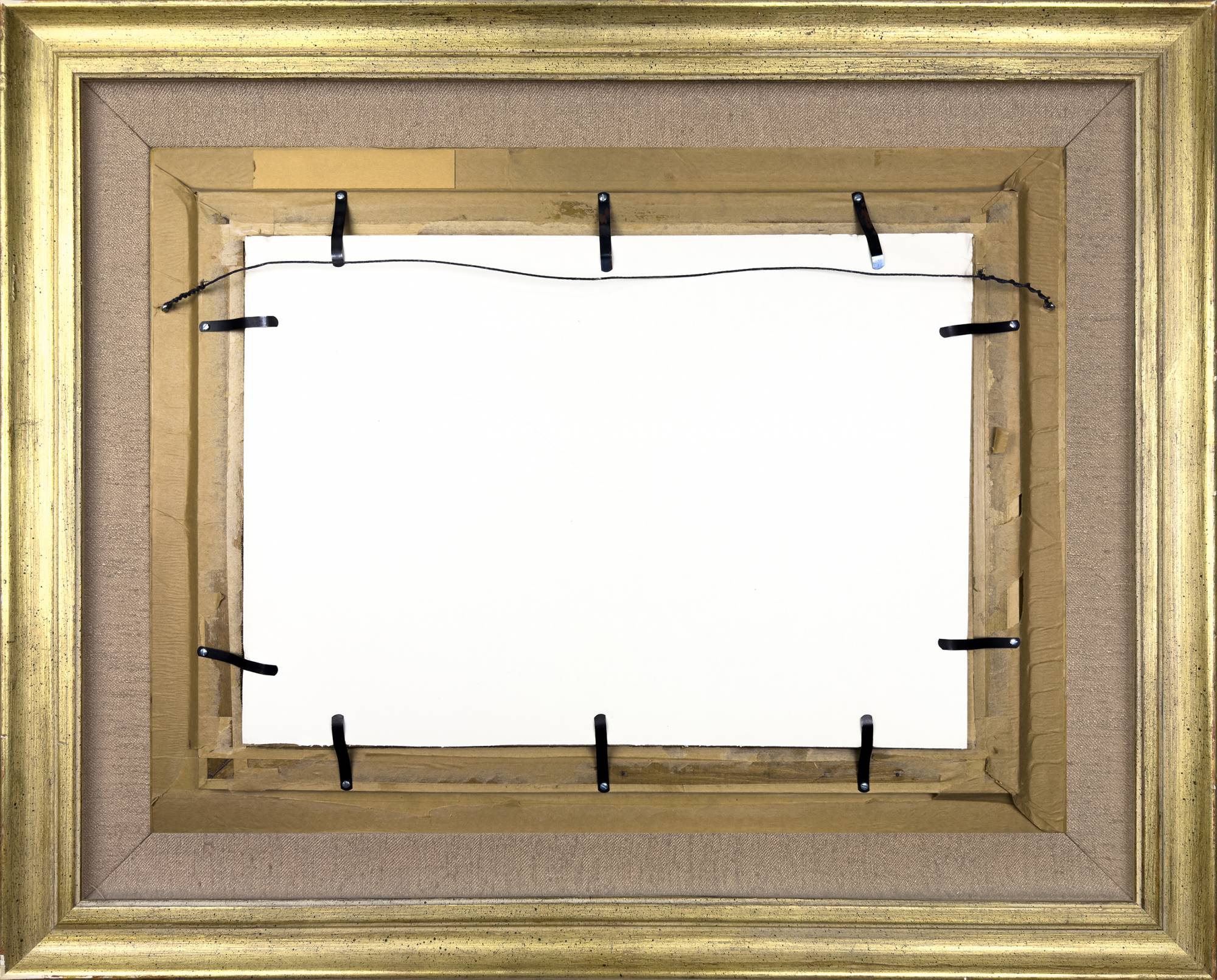
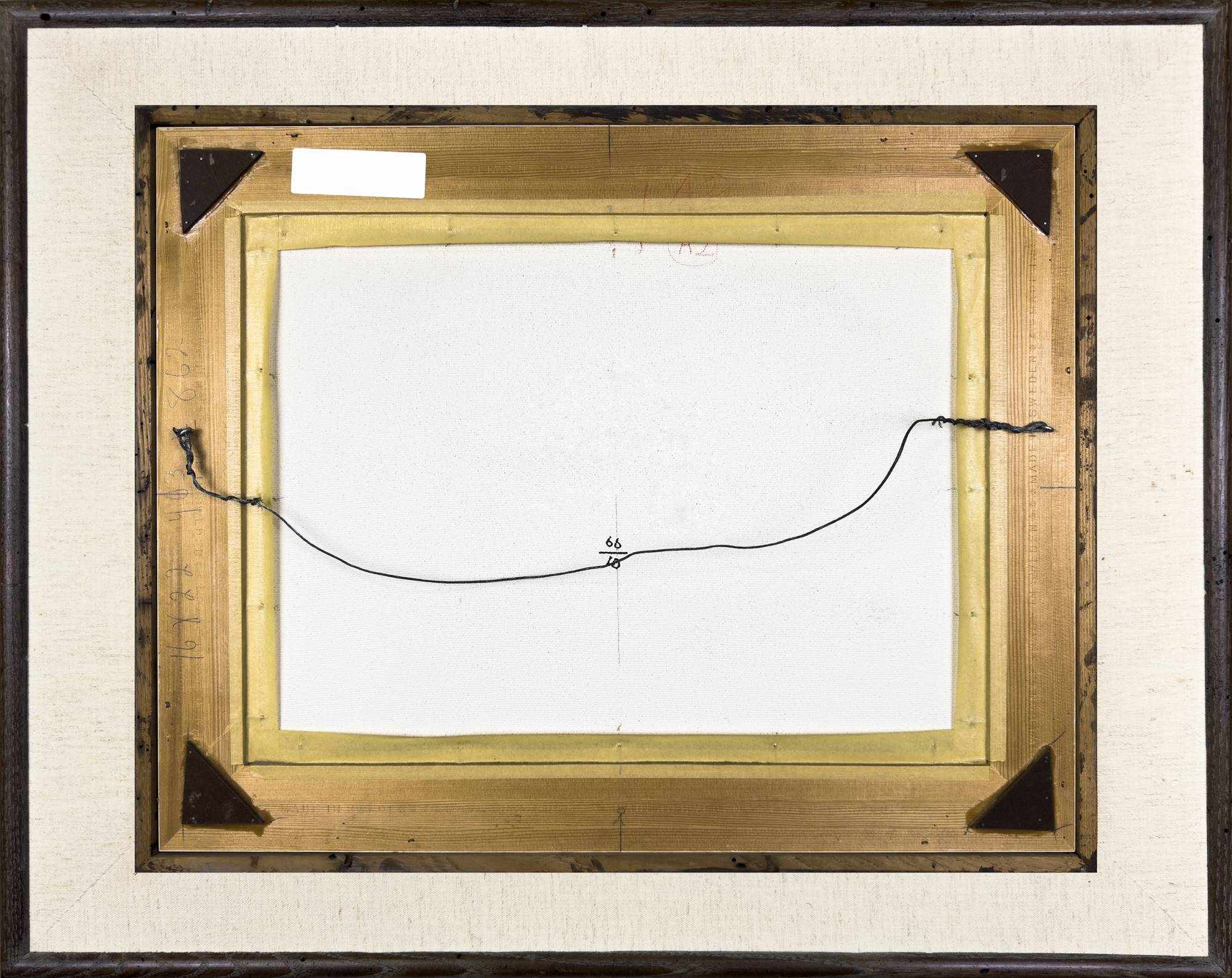
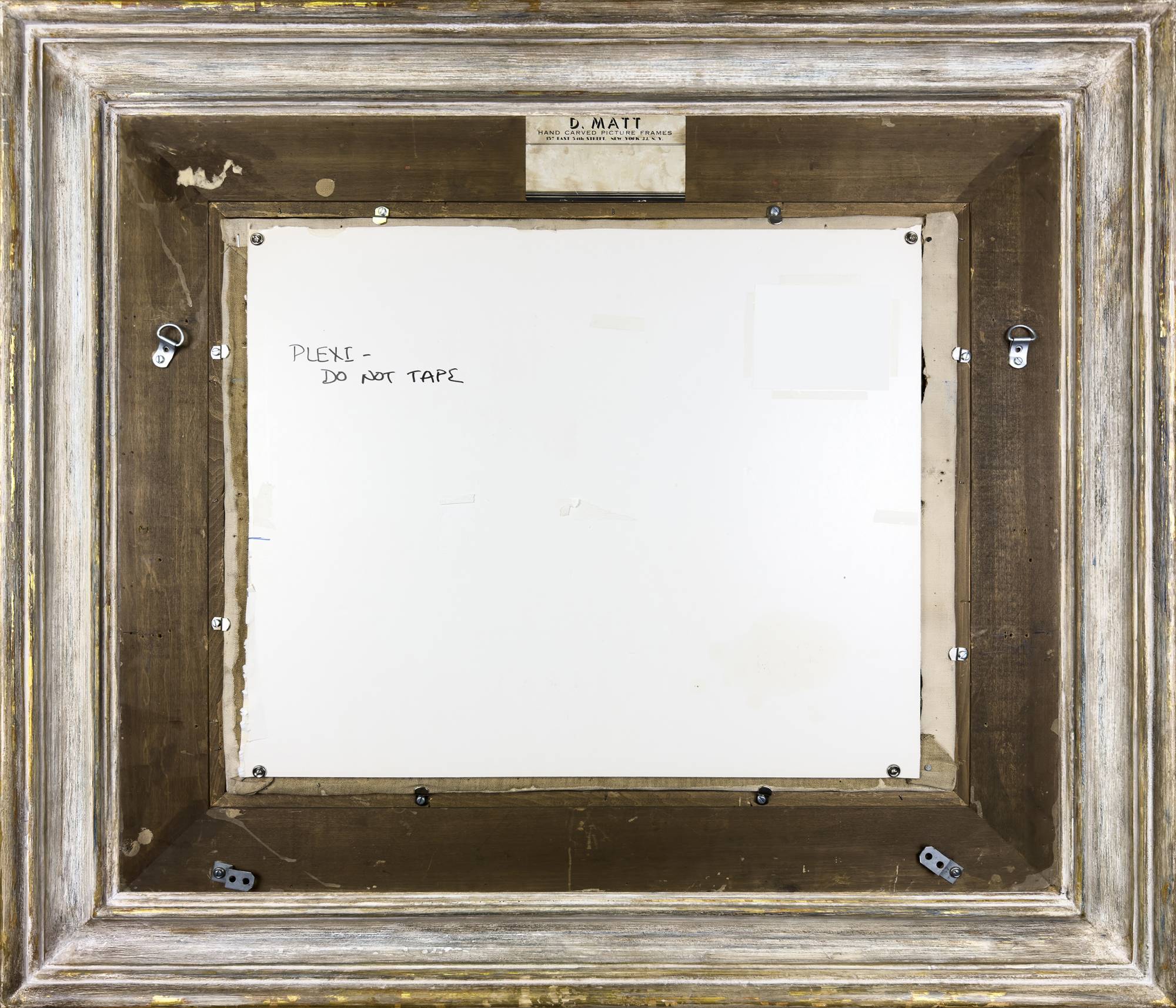
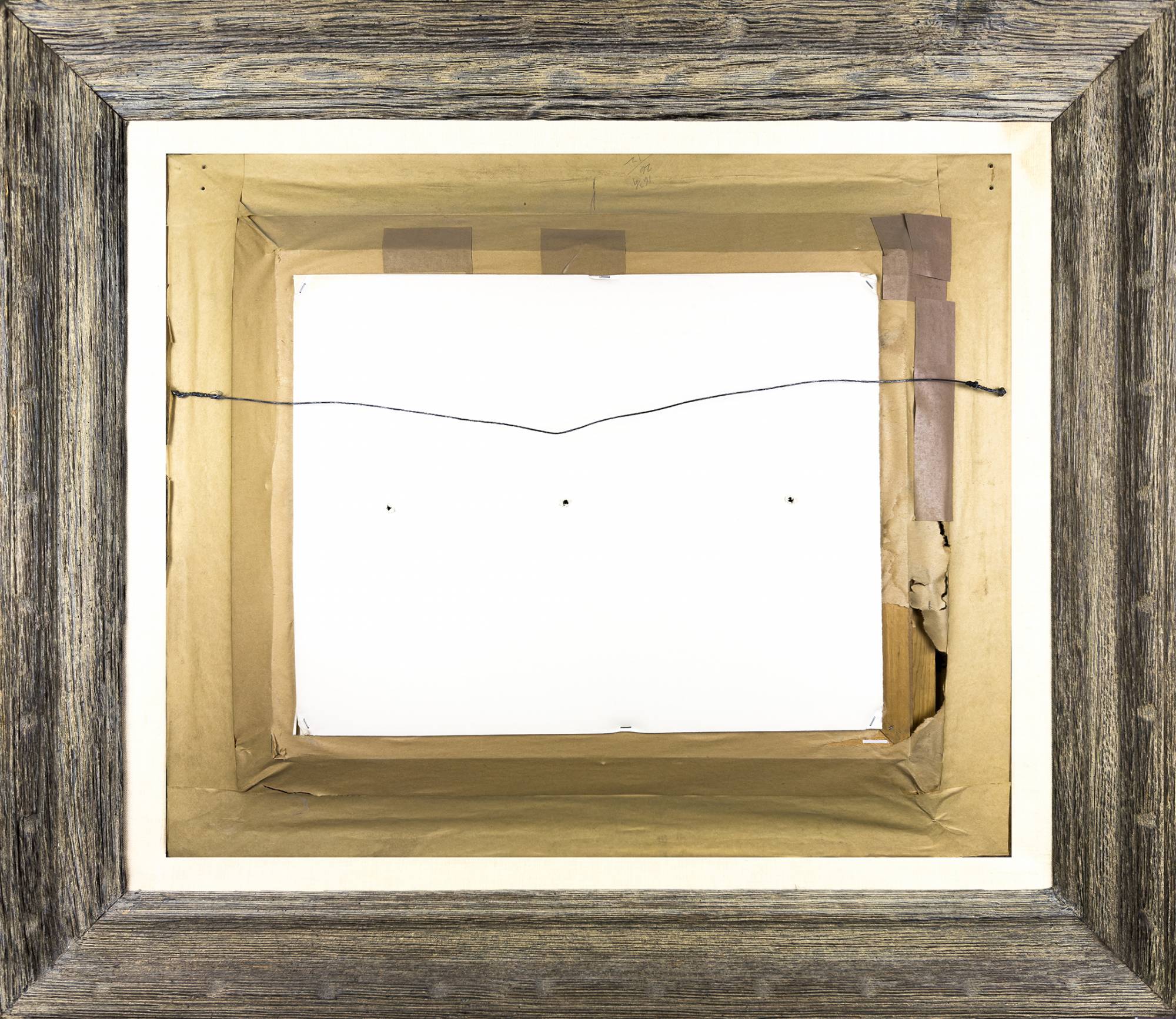
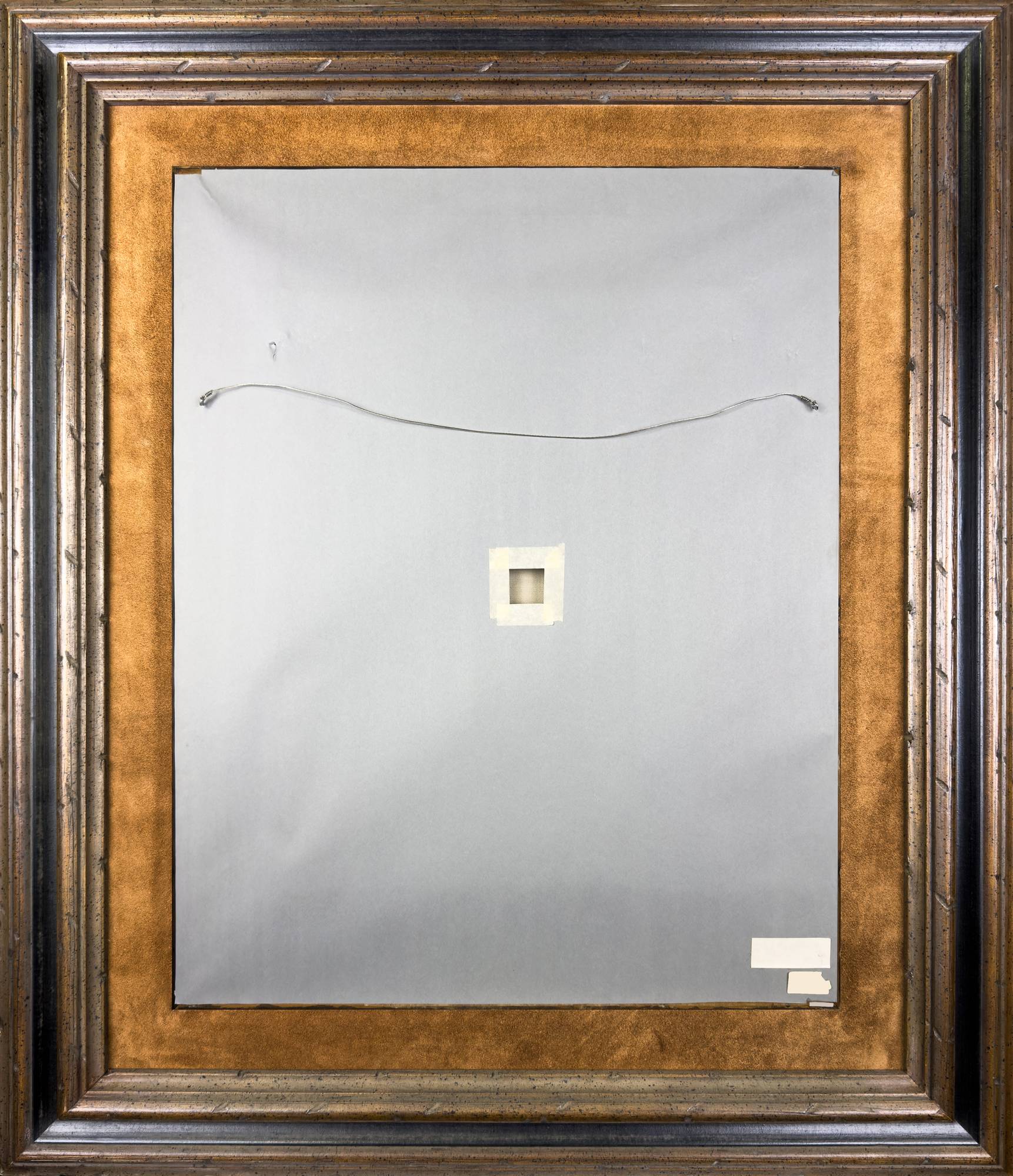
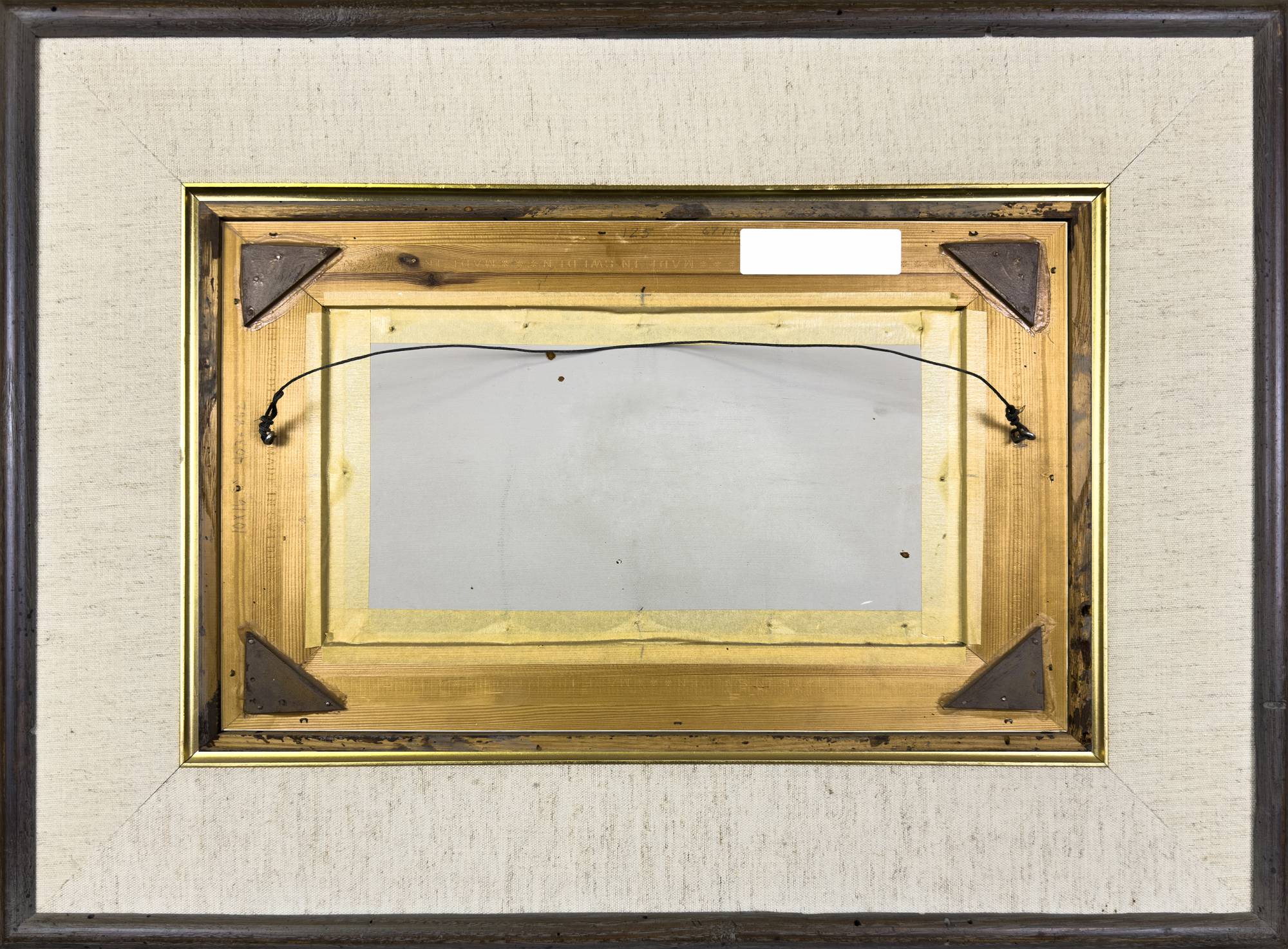
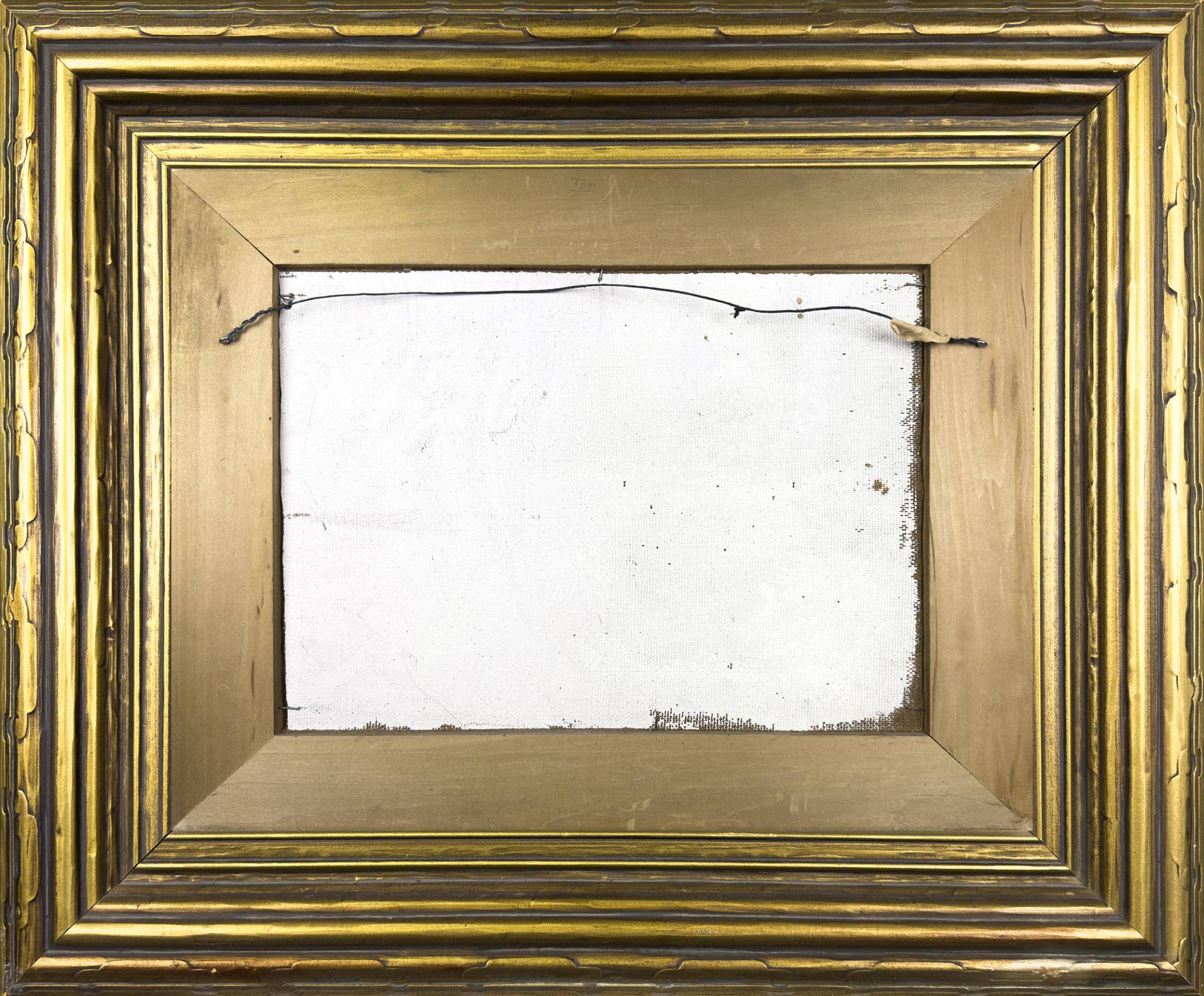
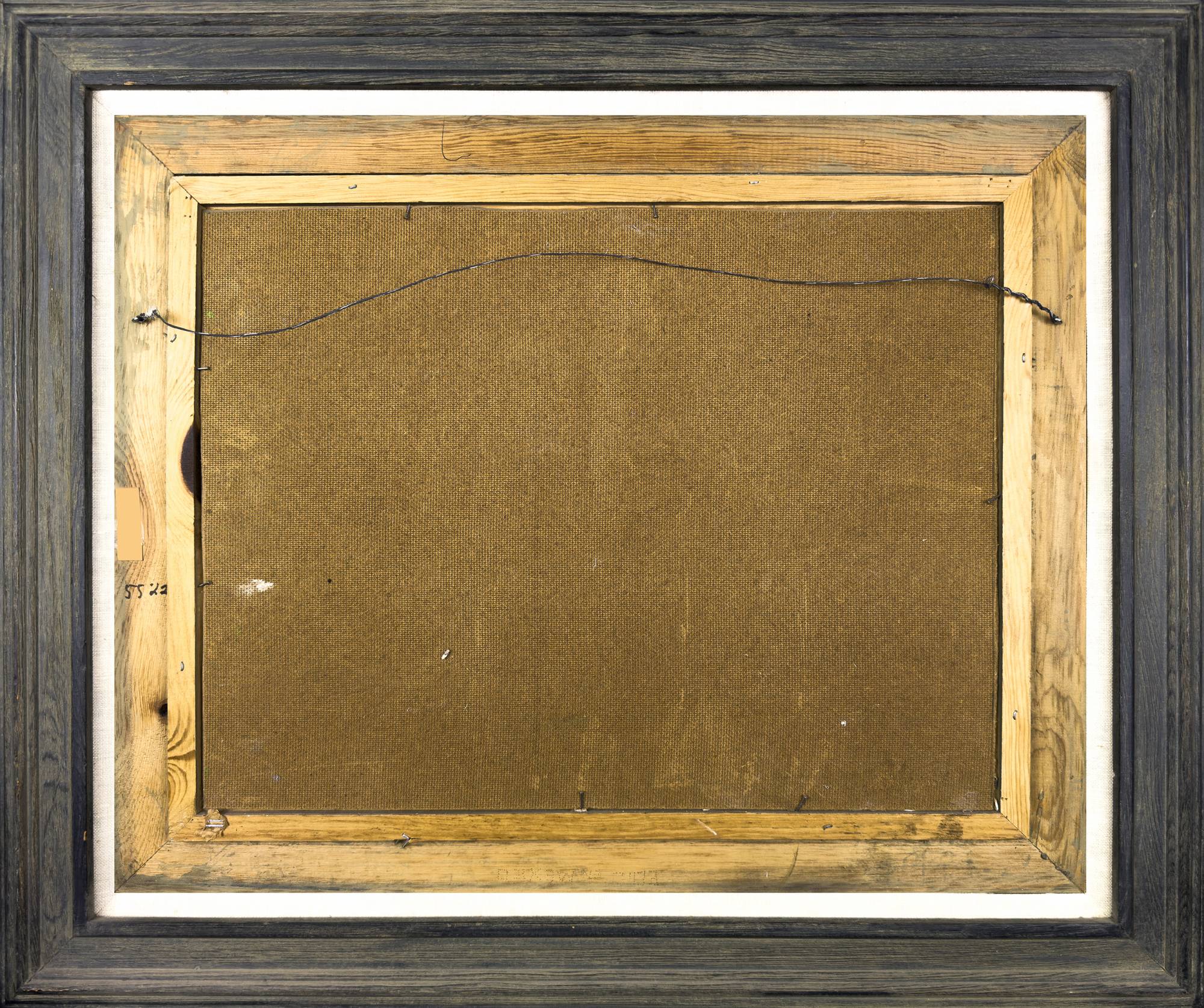
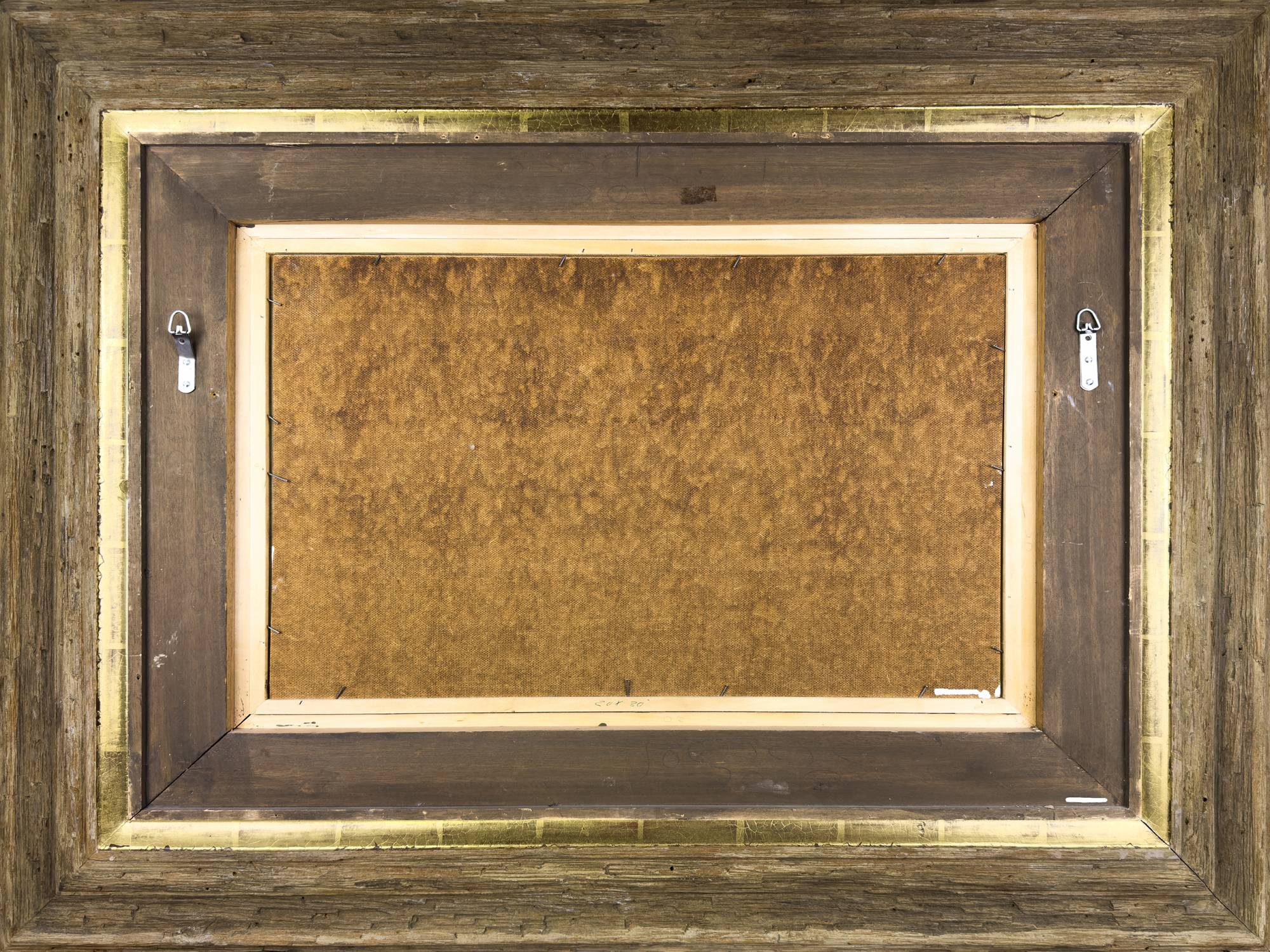
1-Sided interrupts that apparent completeness. The series begins with photographs of paintings, made from both the front and the back of their frames. The two views are digitally collapsed into a single image. Where the painted image occupies the front, the back of the frame takes its place. What remains visible is not the painted image itself, but the structure that held it: its reverse, its edges, its hardware, and the otherwise unseen space behind the image. The operation is simple, but it changes the terms of looking. Rather than asking only what a painting depicts, 1-Sided asks us to attend to the conditions that allow depiction to appear natural, authoritative, or complete.
English art critic and writer John Berger observed that “every image embodies a way of seeing.” To look at a painting is therefore also to encounter the perspective embedded within it: choices about what is shown, what is omitted, how bodies and spaces are arranged, and what kinds of relationships the image makes available to the viewer. These choices can become difficult to notice precisely when they are familiar. As French philosopher and art historian Georges Didi-Huberman described it, some things become invisible not because they are hidden, but because they are “right in front of us.”
Framing is part of this process. It is both a physical act and a way of directing attention. Dutch cultural theorist and critic Mieke Bal described framing as an unavoidable semiotic activity: we cannot eliminate the frames through which we interpret images, but we can become more conscious of them. The photograph of an artwork therefore does more than reproduce its appearance. It can expose the circumstances in which that appearance is encountered.
Photography has a particularly complicated relationship to painting. To photograph a painting is to create another image from an existing image, shifting its scale, context, materiality, and destination. The photographic reproduction does not simply document the painting; it produces another way of seeing it. 1-Sided extends this displacement by photographing not only the image but its physical support, collapsing the two into an object that can no longer be read as a straightforward reproduction.
The work began with a desire to interrupt representations that had become normalized through their presentation as paintings. In revisiting that impulse, the intervention also recognizes that it is itself another act of framing: another selection of what is shown, withheld, and made available to view. The work does not stand outside the histories of looking that it examines. Instead, it asks the viewer to become more conscious of them. The resulting photographs are deliberately austere. The absence of the painting is not an erasure of its history so much as a shift in attention. What was previously treated as peripheral becomes central. The frame becomes the image. The back becomes the front. The support becomes the subject.
1-Sided asks what might become visible when looking is displaced from the represented subject toward the structures that organize its appearance. It does not offer a corrected image or a definitive interpretation. Instead, it creates a moment in which the familiar act of looking at a painting becomes unfamiliar enough to be examined. A photograph, American writer and critic Susan Sontag wrote, is both an image and a trace of what existed before it. 1-Sided turns that relationship toward the conditions of representation. What remains is not a trace of the depicted world, but a trace of the structure that allowed that world to appear.